
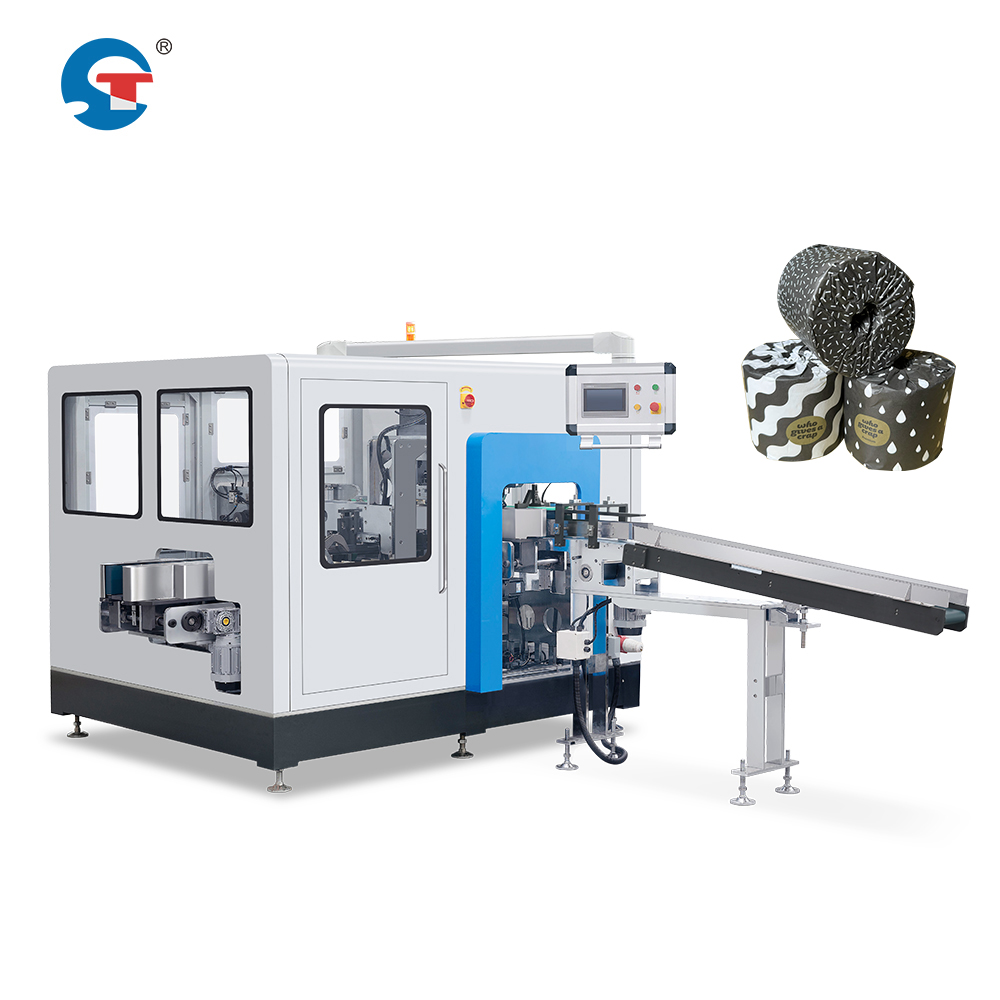
Dust contamination in hygiene paper production represents one of the most significant operational challenges facing modern manufacturing facilities. A professional hygiene paper packaging machinery manufacturer understands that maintaining a dust-free environment is essential for product quality, worker safety, and regulatory compliance. The stakes are particularly high in sanitary product production, where any particulate contamination can compromise the integrity of the final product and trigger costly recalls.
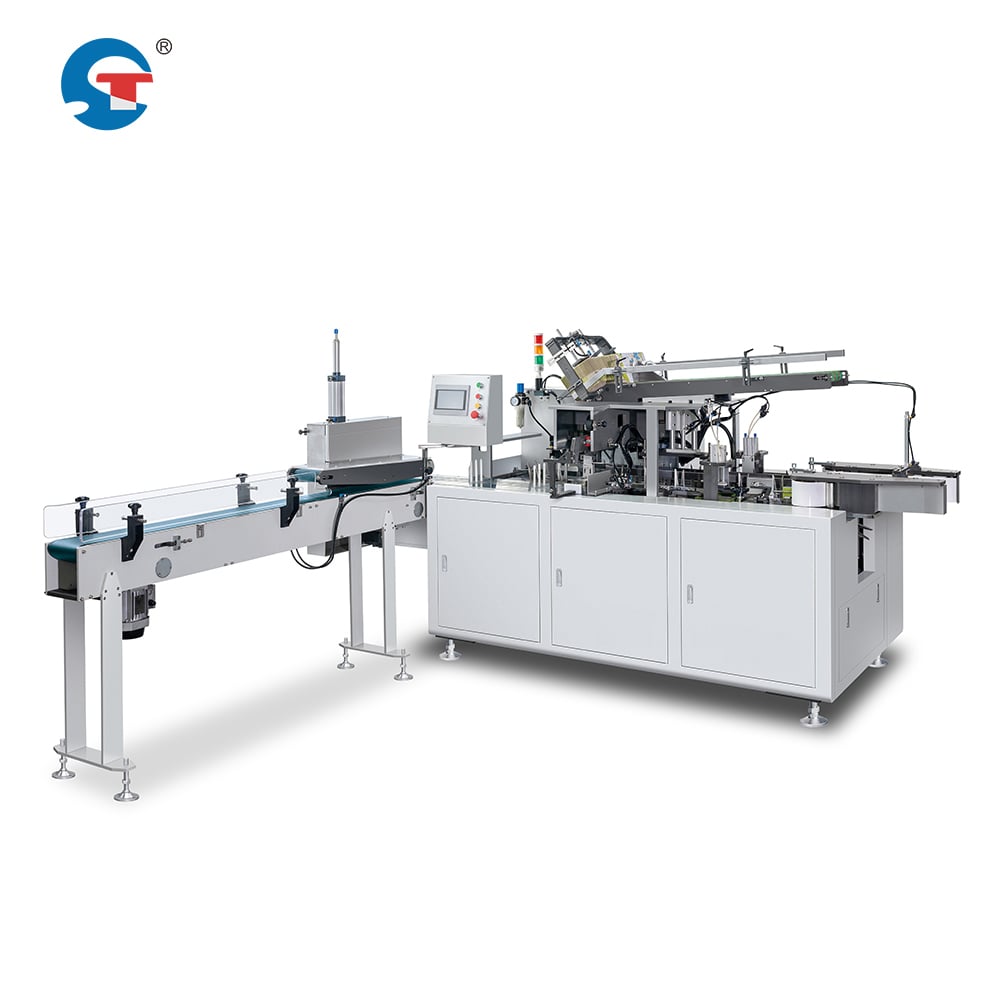
Achieving dust-free execution requires a comprehensive strategy that spans equipment design, facility engineering, operational protocols, and continuous monitoring. Manufacturers who excel in this area combine advanced toilet paper production line equipment with rigorous environmental controls and employee training programs. This multifaceted approach ensures that every roll of tissue and every sanitary napkin wrapping machine operates in an optimized, controlled environment that prevents contamination at every stage.
Equipment Design and Filtration Systems
Sealed Chamber Architecture
Modern tissue paper packaging automation systems incorporate completely sealed chambers throughout the production process. These enclosed environments prevent external dust from entering while containing internal particulates generated during the manufacturing cycle. The sanitary napkin wrapping machine technology used by leading manufacturers features reinforced gaskets, sealed conveyor systems, and integrated dust collection ports positioned strategically along the production line. By isolating each process stage within dedicated chambers, manufacturers eliminate the primary pathway through which airborne contaminants enter the product stream.
The sealed design also addresses secondary dust generation, which occurs when products move between different production stages. Tissue paper packaging automation systems utilize transition zones with gentle air flows that guide products smoothly without creating turbulence or particle displacement. This thoughtful engineering prevents the re-suspension of settled particles and maintains the integrity of the dust-free environment throughout the entire toilet paper production line equipment workflow.
High-Efficiency Particulate Air Filtration
Integrated HEPA and ULPA filtration systems form the backbone of dust control in advanced hygiene paper packaging machinery manufacturer operations. These systems capture particles as small as 0.3 microns, including most fiber fragments, dust mites, and processing residues. The tissue paper packaging automation system continuously draws air through multiple filtration stages, creating negative pressure in critical production zones. This approach prevents dust from accumulating in product contact areas while maintaining optimal air circulation for worker comfort and equipment cooling.
Leading manufacturers implement multi-stage filtration that combines pre-filters for larger particles with HEPA filters for micron-level contamination. The sanitary napkin wrapping machine technology incorporates dedicated air handling units that process environment air at least 15 times per hour, ensuring consistent contamination levels remain well below acceptable thresholds. Regular filter replacement schedules and pressure monitoring systems alert operators when efficiency begins to decline, preventing gradual degradation of air quality.
Facility Infrastructure and Environmental Controls
Positive Pressure Cleanroom Design
A hygiene paper packaging machinery manufacturer that prioritizes dust-free execution designs production facilities with positive pressure cleanroom principles. The facility maintains slightly higher air pressure inside the production area compared to external environments, creating a natural barrier against dust infiltration. This principle works continuously throughout production, automatically pushing any dust particles outward through designated exhaust points rather than allowing them to drift inward. The toilet paper production line equipment operates within this controlled pressure envelope, ensuring the external facility cannot introduce contamination.
The cleanroom design extends beyond the equipment itself to encompass receiving areas, material storage zones, and packaging sections. The tissue paper packaging automation system operates in a facility where raw materials enter through dedicated material airlocks that include their own filtration and pressure controls. This prevents contamination during the critical moment when new raw materials enter the production environment. Workers moving between different facility zones pass through changing areas and sanitization stations, further reducing the risk of dust introduction from external sources.
Humidity and Climate Management
Dust particles become more mobile and prone to resuspension in low-humidity environments. A sanitary napkin wrapping machine technology-equipped facility maintains relative humidity between 45 and 55 percent, significantly reducing the tendency of particles to become airborne and drift into product contact zones. This controlled humidity level also optimizes the performance of the tissue materials themselves, as hygiene papers become more prone to electrostatic charge in dry conditions, which actually attracts dust particles. By managing humidity deliberately, manufacturers address dust problems at their root cause rather than relying solely on filtration.
Temperature stability also contributes substantially to dust control. Thermal gradients create air currents that resuspend settled particles and spread contamination throughout the facility. A hygiene paper packaging machinery manufacturer maintains consistent temperatures across all production zones, eliminating the natural convection currents that would otherwise carry dust through the environment. This climate control approach integrates seamlessly with the toilet paper production line equipment operation, creating stable conditions where dust naturally settles rather than remaining suspended.
Operational Protocols and Continuous Improvement
Material Handling and Workflow Optimization
The tissue paper packaging automation system requires careful material handling procedures that minimize dust generation at every stage. Raw materials arrive in sealed containers, which workers open only within dedicated preparation zones equipped with localized extraction systems. The toilet paper production line equipment incorporates gentle feeding mechanisms that prevent the violent contact and fragmentation that generates secondary dust. By controlling how materials move through the sanitary napkin wrapping machine technology and into the production stream, manufacturers prevent the dust creation events that would overwhelm even the best filtration systems.
A hygiene paper packaging machinery manufacturer establishes strict workflow patterns that minimize personnel movement through critical production zones. Workers follow defined paths that avoid cross-contamination between different product types or production stages. Regular material flow analysis identifies bottlenecks where material handling is most likely to generate dust, and these areas receive enhanced filtration and environmental controls. Production scheduling also plays a role, as some dust generation events can be timed to coincide with higher filtration activity, further optimizing overall contamination control.
Monitoring, Maintenance, and Compliance Documentation
Continuous monitoring systems track particle counts in real time throughout the tissue paper packaging automation system. Laser particle counters positioned at strategic locations provide immediate alerts if contamination levels begin to drift outside acceptable ranges. A hygiene paper packaging machinery manufacturer uses this data not only for immediate corrective action but also for trend analysis that identifies emerging problems before they impact product quality. Maintenance teams respond proactively to any deviation, adjusting filtration efficiency, cleaning equipment contact surfaces, or recalibrating environmental controls before dust levels reach customer-visible levels.
Documentation systems create comprehensive records of all environmental conditions, maintenance activities, and product quality metrics. This documentation demonstrates regulatory compliance and provides evidence of the manufacturer's commitment to dust-free execution standards. The sanitary napkin wrapping machine technology logs all operational parameters continuously, creating an audit trail that shows the toilet paper production line equipment operated within specified environmental parameters throughout each production shift. This systematic approach transforms dust control from an operational consideration into a verifiable, documented commitment to product safety and quality.
FAQ
How frequently should filtration systems in tissue paper packaging automation systems be replaced or serviced?
HEPA and ULPA filters typically require replacement when pressure differential increases above manufacturer specifications, usually every 6 to 12 months depending on production volume and raw material characteristics. A hygiene paper packaging machinery manufacturer monitors filter performance continuously and replaces filters based on actual efficiency loss rather than fixed schedules. Pre-filters may require more frequent replacement or cleaning, often monthly, while some sanitary napkin wrapping machine technology incorporates washable pre-stage filters that reduce replacement costs while maintaining optimal filtration. Regular pressure monitoring ensures filters never degrade to levels that compromise dust control effectiveness.
Can existing toilet paper production line equipment be retrofitted with advanced dust control systems?
Retrofitting presents significant challenges because optimal dust control requires integration at the design stage, particularly for sealed chamber architecture and facility infrastructure. However, many hygiene paper packaging machinery manufacturers offer upgrade packages that add enhanced filtration, improved gasket seals, and connection points for facility-level environmental controls to existing tissue paper packaging automation systems. The sanitary napkin wrapping machine technology retrofits typically focus on the most critical contamination points, delivering substantial improvements even if complete redesign is not feasible. Success depends on the existing equipment's fundamental architecture and the specific contamination issues affecting current operations.
What regulatory standards govern dust control in hygiene paper production facilities?
Dust control standards vary by jurisdiction but typically reference FDA food contact surface regulations, ISO cleanroom classification standards, and product-specific regulations for tissue and sanitary paper products. A hygiene paper packaging machinery manufacturer ensures toilet paper production line equipment and tissue paper packaging automation systems meet cleanroom classifications from ISO 14644, which define acceptable particle counts at different facility grades. Many regions also require documentation of environmental monitoring and maintenance, which the sanitary napkin wrapping machine technology automatically provides through integrated logging systems. Regulations increasingly emphasize documented compliance rather than absolute zero-dust achievement, making systematic monitoring and record-keeping essential components of any dust control program.