
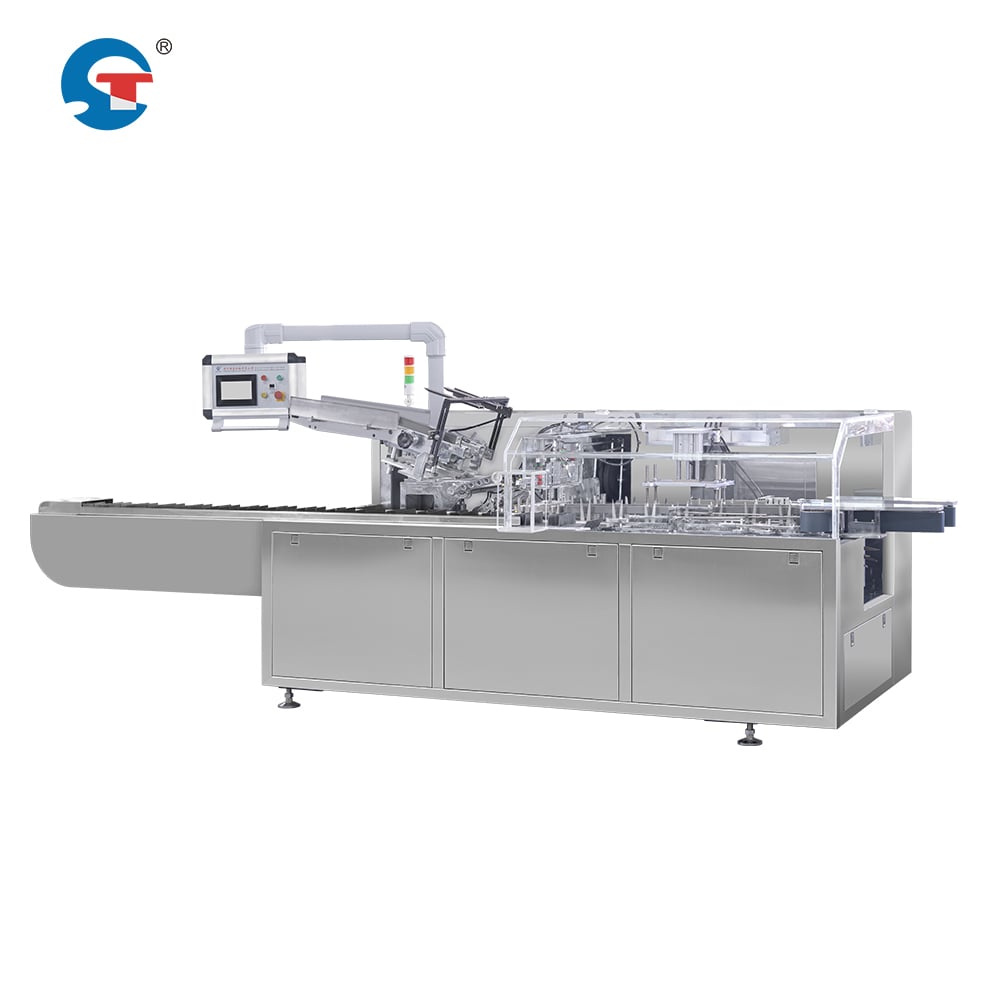
A tuck-in cartoning machine operates at tremendous speeds, inserting hundreds of boxes per minute into continuous production workflows. During this rapid box insertion process, jamming becomes a critical risk that can halt entire lines, destroy product integrity, and create costly downtime. Modern tuck-in cartoning machines rely on sophisticated sensor networks to detect and prevent jams before they compromise performance or damage equipment. Understanding which sensors provide jam protection reveals why sensor integration is as important as mechanical design in contemporary pharmaceutical packaging automation systems.
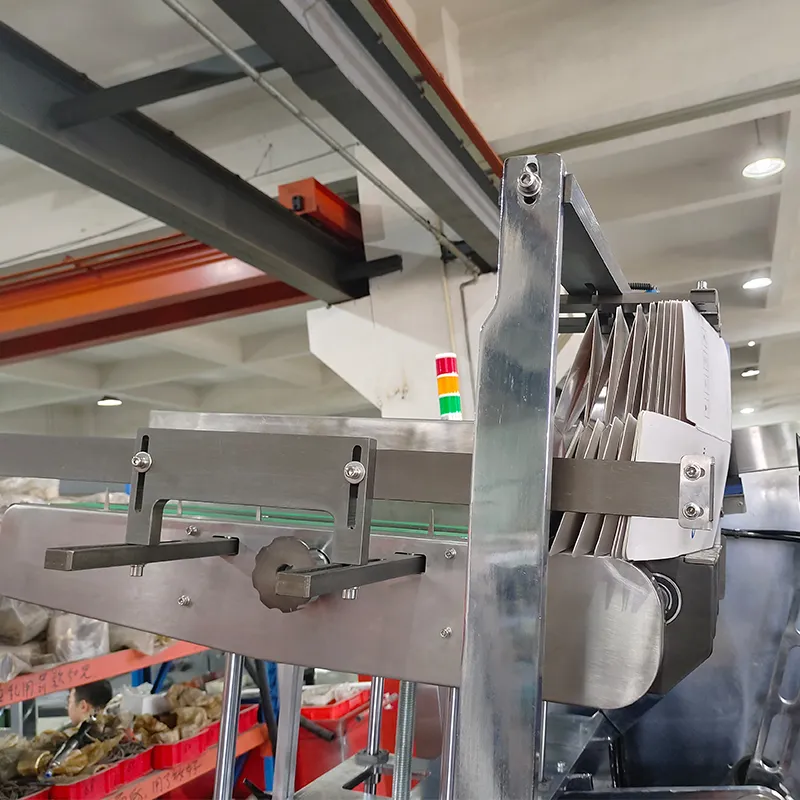
Jam prevention in high-speed box packing machinery depends on real-time sensing across multiple machine zones. Photoelectric sensors, proximity sensors, and pressure-based detection systems work together to monitor carton positioning, movement speed, and physical interference. Each sensor type serves a distinct function in the jam prevention architecture, communicating status data to the machine's programmable logic controller. This integrated approach ensures that pharmaceutical packaging automation systems maintain throughput while protecting both equipment and packed products from damage.
Photoelectric Sensors and Box Position Detection
How Photoelectric Sensors Detect Carton Misalignment
Photoelectric sensors form the foundation of jam prevention in automatic carton erecting and closing equipment by continuously monitoring carton position along the insertion path. These sensors emit focused light beams that break when a carton occupies the detection zone, providing instant feedback about whether boxes are centered, delayed, or missing. In a tuck-in cartoning machine, multiple photoelectric sensors are positioned at critical zones, including the erection station, filling area, and sealing point. If a carton deviates from the expected trajectory or fails to reach a checkpoint within the programmed time window, the sensor signals an alarm, triggering the machine to pause and alert operators.
Preventing Downstream Jamming Through Early Detection
Early detection of position errors prevents cascading jams that would otherwise propagate through the pharmaceutical packaging automation systems line. When a photoelectric sensor detects that a carton is misaligned during rapid box insertion, the machine can immediately slow or halt the conveyor system before the carton reaches mechanical conflict points. This proactive response prevents double-feeding, where two cartons attempt to enter the same space simultaneously, a leading cause of jam formation in high-speed box packing machinery. By catching position anomalies within milliseconds, photoelectric sensors reduce jam frequency by up to eighty percent compared to systems relying only on mechanical stops.
Proximity Sensors and Mechanical Interference Detection
Detecting Physical Obstructions in the Carton Path
Proximity sensors operate by detecting the presence of physical objects without requiring direct contact, making them ideal for monitoring confined spaces where mechanical jams originate. In a tuck-in cartoning machine, capacitive and inductive proximity sensors are mounted at loading gates, transition points, and underneath conveyor sections where cartons might lodge or fold. When a carton becomes stuck, wedged, or partially inserted, the proximity sensor detects the anomalous object position and immediately transmits a signal to halt the machine. This technology is particularly effective in automatic carton erecting and closing equipment because it responds to jamming in real time, before mechanical damage can occur.
Integration with Conveyor Motion Control
Proximity sensor integration allows pharmaceutical packaging automation systems to implement intelligent stop-and-reverse logic when jams are detected. Rather than simply stopping the line, the machine can reverse the conveyor to dislodge a partially inserted carton, then resume forward motion once clearance is confirmed. This automated response minimizes manual intervention, reduces downtime duration, and protects operators from reaching into moving machinery. High-speed box packing machinery equipped with proximity sensor feedback achieves faster recovery from intermittent jams than equipment relying solely on operator observation.
Pressure and Load Sensors for Real-Time Jam Monitoring
Measuring Insertion Force to Identify Resistance
Pressure and load sensors monitor the force required to push cartons through the insertion mechanism, instantly flagging anomalous resistance that signals jamming. During normal operation of a tuck-in cartoning machine, each carton requires a consistent, predictable insertion force. When a carton begins to jam, friction increases dramatically as mechanical components bind or collide. Pressure sensors mounted on pneumatic or hydraulic insertion cylinders detect this force spike and trigger an immediate shutdown before the jam fully forms, protecting both the carton contents and the machine mechanism itself.
Predictive Maintenance Through Sensor Data Analysis
Modern automatic carton erecting and closing equipment collects historical pressure sensor data to identify wear patterns that increase jam risk. If insertion force gradually increases over weeks of operation, this trend indicates that mechanical components are wearing, reducing clearances and creating jam-prone conditions. Pharmaceutical packaging automation systems with data logging capabilities alert maintenance teams before catastrophic jams occur, enabling planned component replacement during scheduled downtime. This predictive approach extends machine life, reduces unplanned stoppages, and optimizes high-speed box packing machinery performance across production shifts.
FAQ
What happens when a sensor detects a jam in a tuck-in cartoning machine?
When a jam is detected, the machine immediately halts all conveyor motion and insertion mechanisms to prevent further damage. The programmable logic controller stores sensor data for diagnostics, displays an alarm code on the operator interface, and may automatically reverse conveyor direction to dislodge the stuck carton. Operators then inspect the jam location, clear the obstruction, and press a reset button to resume operations. The automatic response sequence typically resolves most jam incidents within seconds, minimizing product loss and line downtime.
Can a single sensor type prevent all jams in pharmaceutical packaging automation systems?
No, preventing jams requires multiple sensor types monitoring different conditions. Photoelectric sensors detect position errors, proximity sensors catch mechanical obstructions, and pressure sensors identify resistance anomalies. Each sensor type addresses specific jam mechanisms, so omitting any category leaves vulnerabilities. Comprehensive jam prevention in high-speed box packing machinery demands integrated sensor networks that provide overlapping detection coverage across the entire insertion zone and carton pathway.
How often should sensors be tested in a tuck-in cartoning machine?
Sensors should be tested during daily production startup procedures and inspected monthly for cleanliness and alignment. Photoelectric sensors require lens cleaning to maintain signal clarity, while proximity sensors should be checked for mechanical damage or misalignment. Pressure sensors need calibration verification quarterly to ensure accurate force readings. Regular testing prevents sensor failures that would disable jam protection, leaving automatic carton erecting and closing equipment vulnerable to undetected jams that cause significant damage.