
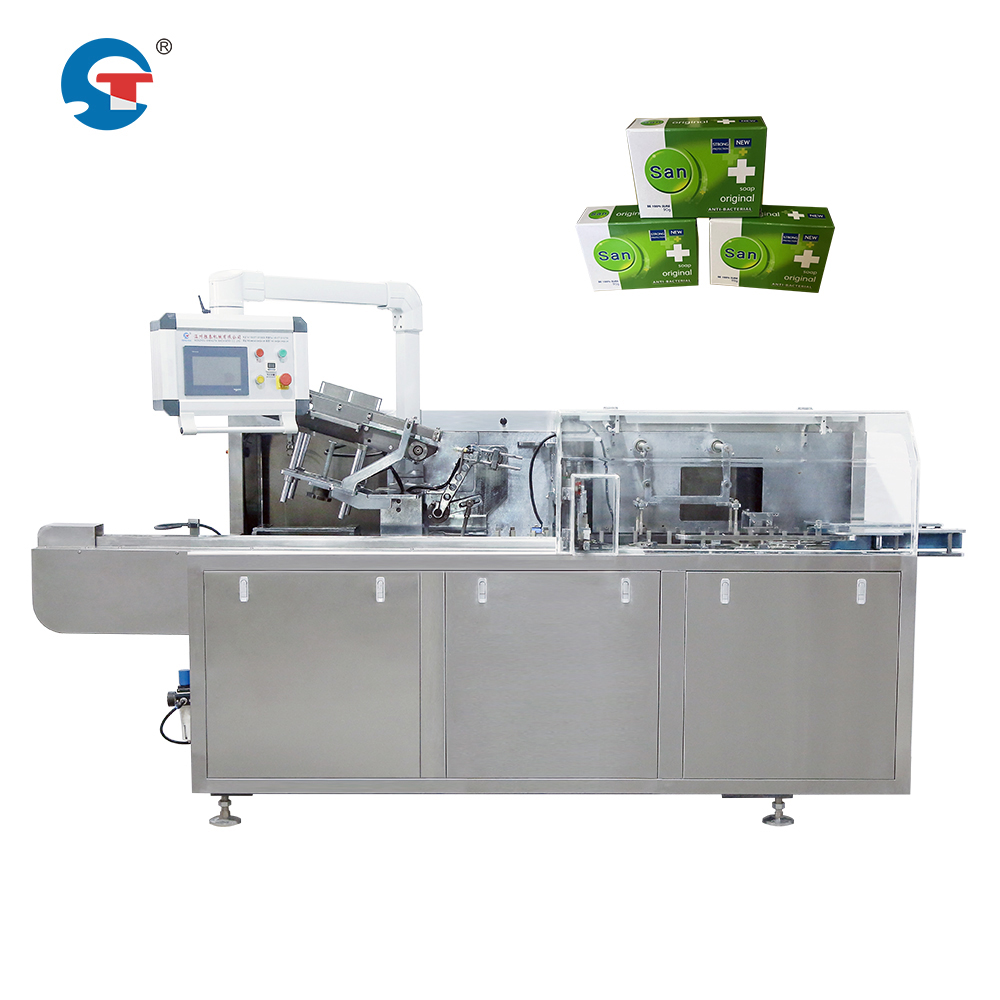
In modern soap manufacturing, production efficiency depends on seamless coordination between upstream processes and packaging systems. A professional soap cartoning machine supplier understands that synchronization between cartoners and upstream plodders is not optional—it is essential for maintaining continuous flow, minimizing downtime, and maximizing throughput. When these systems operate in harmony, manufacturers achieve consistent output rates, reduce product damage, and lower operational costs.
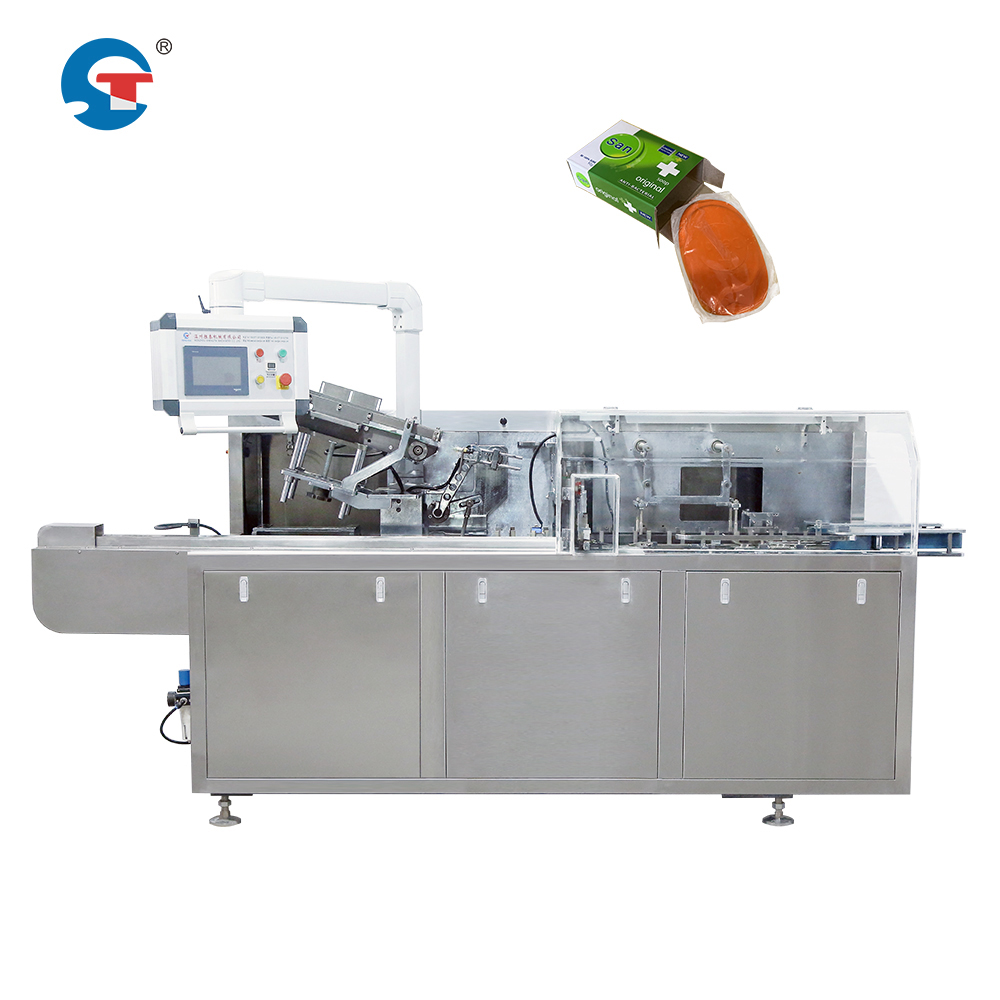
Synchronization between a soap cartoning machine supplier's equipment and upstream packaging machinery requires technical alignment, buffer management, and real-time communication protocols. The integration ensures that soap bars arrive at the cartoning station at precisely the right pace, preventing bottlenecks or starvation conditions. This article explores how synchronization works, why it matters for soap manufacturers, and what capabilities define a reliable soap cartoning machine supplier in the competitive packaging automation market.
Understanding Synchronization Between Cartoners and Plodders
What Synchronization Means in Soap Packaging
Synchronization refers to the coordinated timing between upstream plodders—devices that feed or transfer soap bars through production stages—and the cartoning machine that packages them. A quality soap cartoning machine supplier designs equipment with speed-matching capabilities that allow the cartoner to accept product flow at the same rate the plodder delivers it. Without synchronization, the upstream plodder may push products faster than the cartoner can process them, creating jams or overflow conditions. Conversely, if the plodder is slower, the cartoner sits idle, wasting production capacity.
Why Plodder-Cartoner Integration Matters
The relationship between upstream plodders and cartoning systems directly impacts line efficiency. When a soap cartoning machine supplier integrates these components properly, manufacturers benefit from reduced stoppages, lower reject rates, and predictable cycle times. Integration also allows operators to adjust speeds across multiple stages without manual intervention at each device. Modern automatic soap carton packing equipment includes feedback sensors and variable speed drives that communicate with plodders, creating a synchronized production rhythm that adapts to changing product specifications or quality requirements.
Technical Features That Enable Synchronization
Variable Speed Control and Sensor Integration
A competent soap cartoning machine supplier equips cartoners with variable frequency drives (VFDs) and proximity sensors that detect incoming product flow. These sensors measure the gap between soap bars and automatically adjust the cartoner's indexing speed to match plodder output. High-speed soap packaging automation relies on this real-time adjustment to prevent collisions, misalignment, or product spillage. Sensors also detect when the upstream line stops or slows, triggering the cartoner to pause gracefully rather than jam or force product through the system.
Buffer Zones and Accumulation Systems
Professional automatic soap carton packing equipment often includes a buffer zone—a brief accumulation area between the plodder and cartoner that stores a small reserve of product. This buffer absorbs minor speed fluctuations between upstream and packaging stages, smoothing the overall line rhythm. A soap bar cartoning machine price reflects the sophistication of these buffer systems; advanced designs use servocontrolled accumulators that maintain optimal product spacing while preventing damage to delicate soap bars or decorative elements.
Communication Protocols and Line Control Systems
Modern high-speed soap packaging automation systems communicate through industrial protocols such as Ethernet, CANopen, or legacy relay logic, depending on existing facility infrastructure. A forward-thinking soap cartoning machine supplier integrates the cartoner with plant-wide supervisory systems, allowing a central controller to manage speeds across plodders, conveyors, and cartoning equipment. This centralized approach eliminates the need for manual operator adjustments and reduces the risk of miscommunication or operator error.
Practical Implementation and Selection Criteria
Assessing Your Plodder Configuration
Before partnering with a soap cartoning machine supplier, manufacturers must document their upstream plodder specifications—speed range, product spacing, orientation consistency, and any existing automation features. An experienced supplier will analyze these parameters to recommend a cartoner capable of matching or exceeding plodder performance. If the plodder operates at 200 bars per minute but the cartoner is rated for only 150, synchronization fails regardless of sensor sophistication. Conversely, if the cartoner significantly outpaces the plodder, the supplier's design should include intelligent speed-reduction logic that prevents idle running or energy waste.
Customization and Integration Services
A reliable soap cartoning machine supplier offers customization and integration support to address site-specific challenges. This may include mechanical adapter frames, electrical harness design, sensor placement optimization, and field commissioning. The supplier should conduct pre-installation audits, recommending any modifications to the plodder or downstream conveyor that improve synchronization stability. Many manufacturers underestimate integration costs; transparent suppliers include detailed project timelines, equipment specifications, and performance guarantees that protect against unexpected delays or synchronization failures.
Training and Ongoing Support
High-speed soap packaging automation depends on operator competence and technical support. A professional soap cartoning machine supplier includes comprehensive training for setup, troubleshooting, and speed adjustment procedures. Ongoing support is equally important; the supplier should provide remote diagnostics, spare parts availability, and responsive technical hotlines. When synchronization issues arise, rapid response from the supplier minimizes downtime and prevents cascading production losses across the entire line.
FAQ
Can a soap cartoning machine supplier retrofit synchronization to existing equipment?
Yes, many existing cartoning systems can be upgraded with modern sensors, variable speed drives, and communication interfaces. However, retrofit costs and complexity vary significantly based on the age and design of the original equipment. A soap cartoning machine supplier will assess whether upgrading is economically justified compared to purchasing new automatic soap carton packing equipment. Older mechanical cartoners may lack adequate mounting points or electrical capacity for retrofit modifications, making replacement the more practical option.
What soap bar cartoning machine price reflects quality synchronization capabilities?
Soap bar cartoning machine price typically ranges from $50,000 to $300,000 depending on speed, customization level, and automation sophistication. Equipment capable of true synchronization with upstream plodders—including advanced sensors, variable frequency drives, and integrated control systems—generally costs more than basic models. However, the investment pays dividends through reduced downtime, fewer rejects, and faster line changeovers. A soap cartoning machine supplier offering premium equipment should provide cost justification based on productivity metrics and return-on-investment analysis tailored to your production volume and product mix.
How does high-speed soap packaging automation handle variable product dimensions?
Modern high-speed soap packaging automation includes adjustable product guides, servo-controlled indexing, and vision systems that detect and accommodate size variations within acceptable tolerances. The cartoner communicates with upstream plodders to slow the line when oversized bars are detected, preventing jams or misfeeds. A competent soap cartoning machine supplier designs systems that tolerate typical manufacturing variance without requiring time-consuming manual adjustments between product batches, enabling faster changeovers and improved line utilization.