
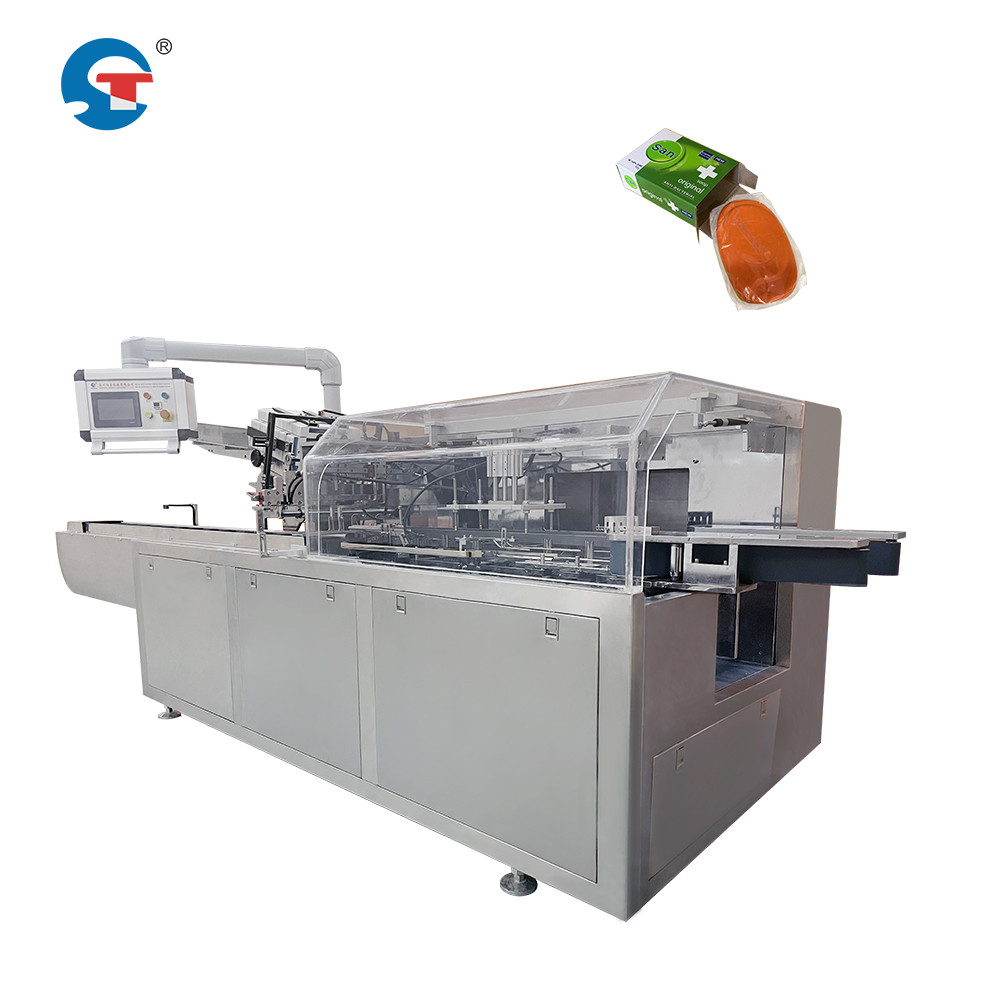
When selecting a soap cartoning machine supplier, understanding the range of infeed options available for irregular bar shapes is critical for production efficiency and product quality. Irregular soap bars—whether wedge-shaped, molded with textures, or custom geometries—require specialized handling mechanisms that standard cartoning equipment cannot provide. A competent soap cartoning machine supplier must offer multiple infeed configuration options that accommodate varying bar dimensions, orientations, and fragility levels while maintaining consistent throughput and accurate carton filling.
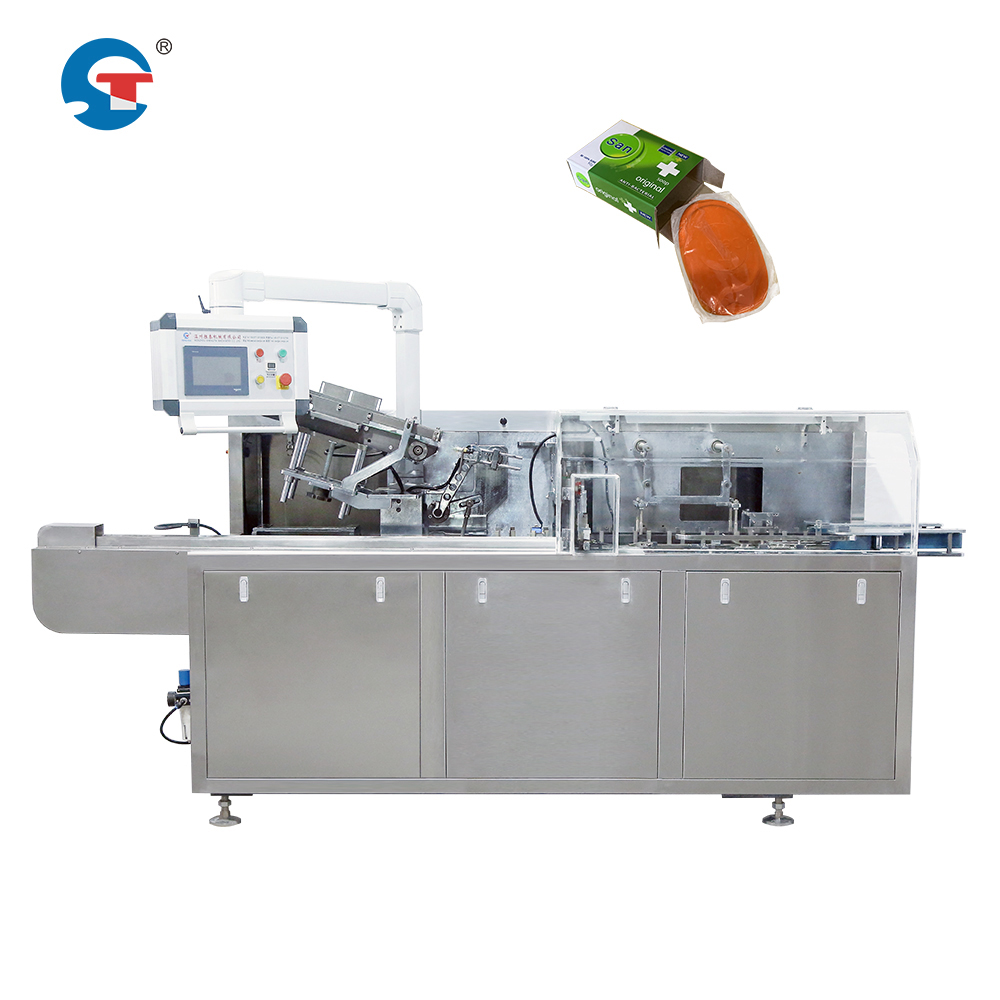
The diversity of infeed mechanisms reflects the complexity of modern soap production. Automatic soap packaging equipment must account for bar geometry variation, surface texture, weight distribution, and placement precision. A dedicated soap cartoning machine supplier evaluates your product specifications and recommends infeed solutions that integrate seamlessly with upstream production lines, ensuring minimal downtime and maximum yield rates. This article explores the primary infeed options that leading suppliers provide for handling irregular bar shapes effectively.
Understanding Infeed Configuration Capabilities
Mechanical Orientation and Feeding Systems
A soap cartoning machine supplier typically offers several mechanical infeed systems tailored to irregular bar geometry. The most common approach employs adjustable guide rails and positioning sensors that accommodate variable bar widths and thicknesses. These systems use servo-driven conveyors or belt feeders to transport bars at controlled speeds, ensuring that each unit arrives at the cartoning station in the correct orientation. For irregular soap shapes, suppliers often integrate vision-based positioning systems that detect bar orientation in real time and trigger corrective mechanical adjustments before the bar enters the carton.
Cartoning machine specifications and features vary significantly based on bar shape complexity. Some suppliers provide modular infeed assemblies with quick-change components that allow rapid reconfiguration when production switches between different bar geometries. This modularity reduces changeover time and supports flexible manufacturing schedules. The infeed section typically includes gentle handling mechanisms such as pneumatic guides, soft-touch pushers, and elastomer-lined surfaces to prevent soap bar damage during transfer. For premium irregular shapes with delicate surface treatments or embossing, protective infeed design becomes essential to maintaining product aesthetics and consumer appeal.
Advanced Positioning and Alignment Technology
Modern soap production line integration and efficiency demands infeed systems that guarantee precise bar placement inside cartons. Leading suppliers implement multi-axis positioning technology that allows simultaneous adjustment of horizontal placement, vertical height, and angular orientation. Machine vision systems scan each bar as it approaches the infeed section, measure its exact dimensions and position, and transmit data to the cartoning mechanism. This closed-loop feedback system ensures consistent carton fill quality and minimizes product movement during the sealing process.
Some automatic soap packaging equipment manufacturers offer infeed systems with dual-lane or multi-lane configurations, allowing simultaneous processing of bars with slightly different geometries. This capability is particularly valuable for suppliers handling customized or seasonal soap products with shape variations. The infeed stage communicates with downstream cartoning machinery through industrial control networks, creating a synchronized production environment where timing, spacing, and orientation data flow continuously between components.
Infeed Options for Specialized Soap Geometries
Custom Infeed Adaptation for Wedge and Molded Shapes
Wedge-shaped or molded irregular soap bars present unique infeed challenges that differentiate one soap cartoning machine supplier from another. Wedge bars require infeed systems capable of managing variable thicknesses across a single unit. Suppliers address this through inclined feed beds, rotating turntables, or articulated positioning arms that can detect the bar's center of gravity and orient it for optimal carton placement. Some suppliers provide indexing tables that rotate irregular bars to predetermined angles, ensuring each carton receives bars in identical orientations regardless of incoming randomness.
Molded or textured soap surfaces demand infeed designs that prevent bar tipping, rolling, or surface abrasion. Advanced cartoning machine specifications and features often include vacuum-assist gripping systems that gently lift bars without creating pressure points. These pneumatic systems maintain constant suction force while allowing bars to move smoothly through the infeed section. For highly irregular shapes with deep embossing or applied decorations, suppliers sometimes recommend custom-molded infeed trays that match negative images of the bar geometry, cradling each unit securely during transfer to the cartoning station.
Soap Production Line Integration and Workflow Optimization
A soap cartoning machine supplier must ensure that infeed systems integrate seamlessly with upstream production stages such as bar wrapping, sorting, or cooling. The infeed section acts as a buffer and transition zone between irregular bar supply and precision cartoning machinery. Suppliers typically design infeed systems with adjustable throughput rates, allowing producers to match cartoning speed with available bar supply rates. This flexibility prevents upstream bottlenecks and maintains consistent soap production line integration across the entire facility.
Efficiency gains emerge when infeed systems include real-time diagnostics and self-correcting mechanisms. When the system detects a misaligned or damaged bar, it can automatically divert that unit to a reject bin, preventing carton jams and production stoppages. Suppliers offer automatic soap packaging equipment with remote monitoring capabilities, allowing production supervisors to observe infeed performance from central control stations. This visibility enables proactive maintenance scheduling and rapid response to emerging issues, directly improving uptime and output consistency.
Supplier Selection and Customization Criteria
Evaluating Infeed Performance Metrics
When engaging a soap cartoning machine supplier, request detailed specifications on infeed performance metrics relevant to your irregular bar shapes. Key parameters include maximum bar dimensions, minimum bar thickness, orientation accuracy tolerance, and throughput capacity. Suppliers should provide acceleration curves, positioning repeatability data, and cycle time breakdowns. These metrics enable direct comparison between different suppliers and help predict production performance under your specific conditions. Ask suppliers to conduct trial runs using actual samples of your irregular soap bars to verify real-world performance before committing to equipment purchase.
Cartoning machine specifications and features documentation should clearly delineate infeed system limitations and recommended operating parameters. A responsible soap cartoning machine supplier will discuss edge cases—such as bars at maximum dimension variance or with surface defects—and explain how the infeed system handles these scenarios. Understanding these boundaries prevents installation surprises and supports realistic production planning. Request case studies or references from suppliers who have successfully integrated similar irregular bar shapes, validating their claims with documented field experience.
Customization and Future Flexibility
Leading suppliers recognize that your product portfolio may evolve, requiring infeed system modifications over time. Inquire about customization options that allow future adaptation without complete equipment replacement. Does the infeed system support modular upgrades? Can positioning sensors be recalibrated for new bar geometries? Does the control software allow parameter adjustments for shape variations? Suppliers offering forward compatibility and software flexibility provide superior long-term value. Automatic soap packaging equipment with adaptable infeed design protects your investment and supports product innovation initiatives without forcing disruptive capital expenditures.
Technical support and training are equally important when evaluating a soap cartoning machine supplier. Comprehensive documentation, video training materials, and accessible technical support staff ensure your team can optimize infeed performance and troubleshoot issues independently. Suppliers offering on-site commissioning support and operator certification programs typically deliver higher customer satisfaction and faster time-to-productivity. Soap production line integration and efficiency depend not just on equipment quality but on your internal capability to operate, maintain, and adapt the system throughout its operational life.
FAQ
What infeed bar shape tolerance can most soap cartoning machine suppliers accommodate?
Most suppliers supporting automatic soap packaging equipment can handle bar dimension variations of approximately ±5% from nominal specifications. However, irregular bar shapes with extreme geometry variations or multiple different formats may require custom infeed engineering. Premium cartoning machine specifications and features include vision-guided positioning that adapts to moderate shape variations automatically. Consult your soap cartoning machine supplier with detailed bar geometry specifications, including CAD drawings or physical samples, to receive accurate tolerance confirmation for your specific products.
How does a soap cartoning machine supplier ensure infeed reliability for high-speed production?
Leading soap cartoning machine suppliers incorporate redundant sensors, predictive maintenance diagnostics, and fail-safe mechanisms into infeed systems. Real-time monitoring tracks positioning accuracy, cycle time consistency, and mechanical wear patterns, triggering maintenance alerts before failures occur. Soap production line integration and efficiency demand infeed systems with mean-time-between-failure ratings exceeding 1000 hours. Suppliers typically provide spare parts kits, quick-change modules, and remote support services to minimize downtime when maintenance becomes necessary.
Can a soap cartoning machine supplier modify infeed systems after initial installation?
Yes, reputable suppliers design infeed systems with future customization in mind. Automatic soap packaging equipment often features modular components, adjustable guides, and reconfigurable positioning parameters that allow post-installation modifications. If your product line evolves or you introduce new irregular bar shapes, suppliers can typically retrofit sensors, reprogram control logic, or replace mechanical components without replacing the entire infeed assembly. Discuss upgrade pathways and modification costs during the initial procurement stage to ensure long-term flexibility and cost-effective adaptability.