
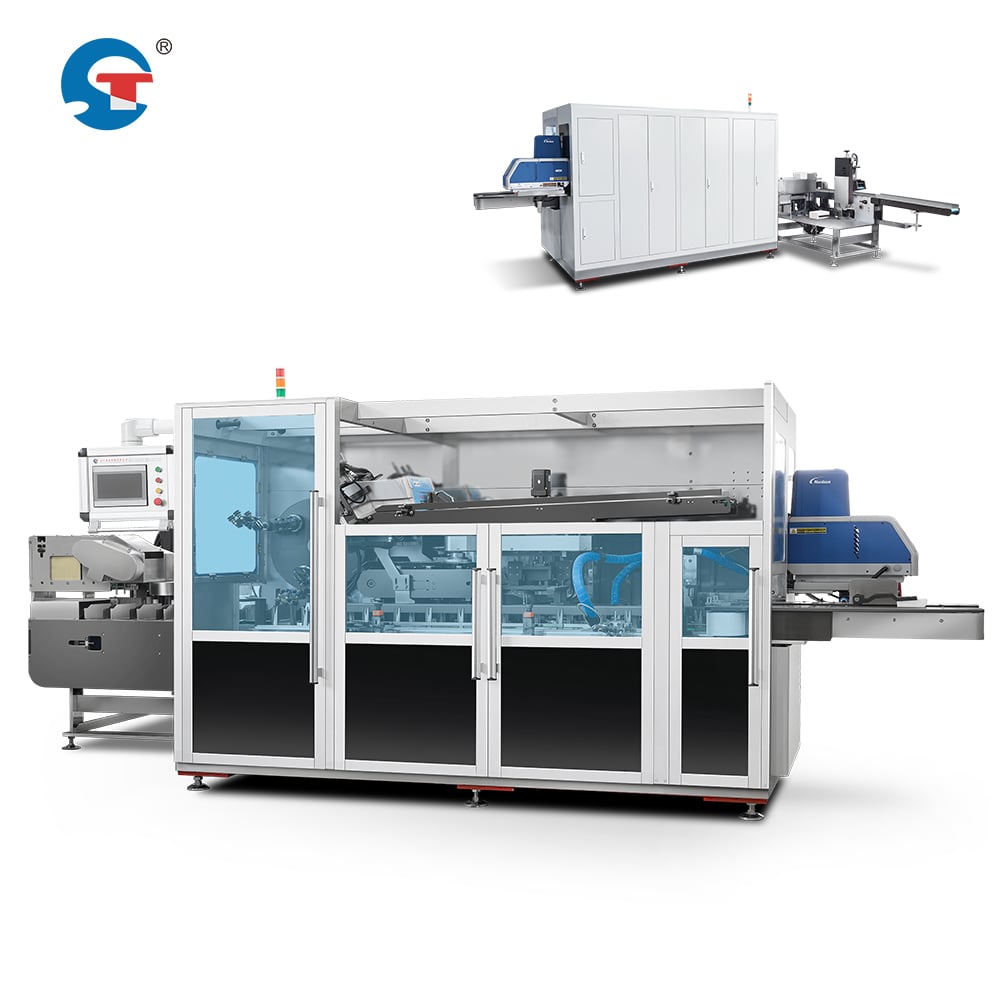
Engineering managers overseeing packaging operations face critical decisions when selecting production equipment. A continuous motion cartoning machine represents a significant capital investment, and safety must be the primary evaluation criterion. Unlike intermittent motion systems, continuous flow designs present unique hazard scenarios that demand specific protective mechanisms. This guide explores the safety features that engineering managers should prioritize to protect workers, ensure regulatory compliance, and maintain uninterrupted production schedules.
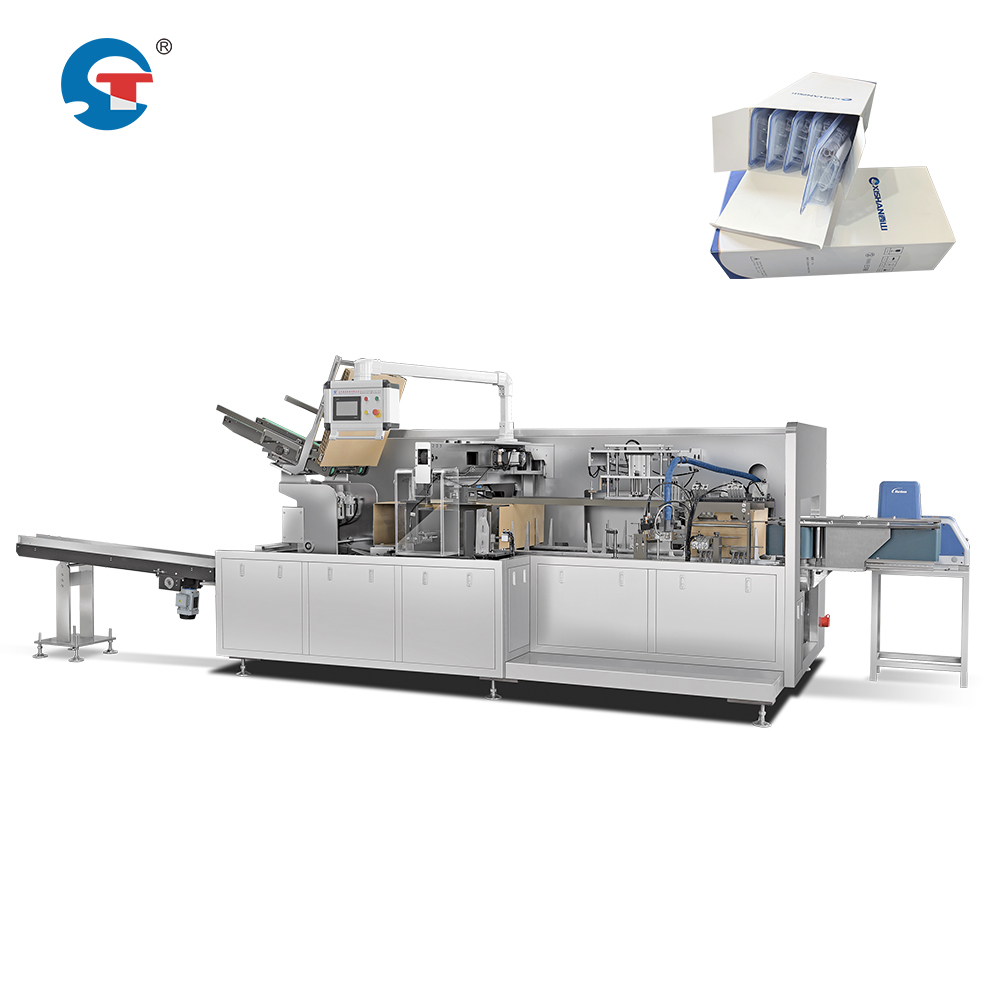
Modern high-speed carton packing equipment operates under demanding conditions, moving products and containers at velocities that minimize downtime but increase injury risk if safety systems fail. Engineering managers must understand how advanced safety features in continuous motion systems differ from traditional designs. The continuous flow architecture creates pinch points, entanglement zones, and rapid motion scenarios that require layered protection strategies.
Guard Systems and Access Control
Physical Barriers and Protective Guards
A critical safety component in high-speed carton packing equipment involves comprehensive guard systems that prevent operator contact with moving parts. Fixed guards should enclose all accessible moving components, including conveyor belts, product transfer mechanisms, and carton indexing sections. The continuous motion cartoning machine design demands interlocked access gates at maintenance points, ensuring the machine halts immediately when guards are opened. Engineering managers should verify that guards meet ANSI Z535 and ISO 14119 standards, providing both physical barriers and electronic confirmation of safe states before operation resumes.
Interlock and Safety-Rated Controls
An automatic product cartoning system must feature safety-rated interlocks that operate independently of primary control systems. These devices should achieve Performance Level 'd' or 'e' (PLd/PLe) ratings according to ISO 13849-1, ensuring reliable stopping action during emergency scenarios. Interlocks must prevent machine restart until guards are fully secured and all moving components come to rest. Engineering managers should demand documentation of interlock response times and confirmation testing protocols to validate safety performance.
Emergency Stop and Operator Controls
Emergency Stop Functionality
An intermittent motion cartoning machine alternative must incorporate redundant emergency stop systems positioned at multiple operator stations. Emergency buttons should utilize latching mechanisms that prevent accidental resets and demand deliberate manual intervention to restore operation. The continuous motion cartoning machine should feature wireless emergency stops for flexible production layouts where operators work at varying distances from primary control panels. Response time from button activation to complete machine halt should not exceed 200 milliseconds for high-speed operations, protecting workers from continuing movement during emergency situations.
Control Panel Accessibility and Design
High-speed carton packing equipment control interfaces require ergonomic design that minimizes operator fatigue and reduces error rates. Emergency stop buttons must be instantly recognizable, typically red mushroom-head designs with yellow surrounding rings. Control panels should feature clear status indicators using standardized color coding: green for ready, amber for caution, and red for fault conditions. Engineering managers should ensure that automatic product cartoning system controls provide real-time feedback about machine state, fault diagnostics, and maintenance alerts.
Sensing Technology and Predictive Systems
Vision and Proximity Sensors
Modern high-speed carton packing equipment relies on advanced sensing networks to detect unauthorized access and hazardous conditions. Proximity sensors should surround loading and unloading zones, triggering immediate shutdown if hands or objects approach dangerous areas. A continuous motion cartoning machine equipped with vision-based detection systems can identify jams, misaligned products, or foreign objects before they cause mechanical failure or worker injury. These sensors should function continuously regardless of lighting conditions or product variations, maintaining consistent protection throughout production runs.
Predictive Maintenance and Fault Detection
An intermittent motion cartoning machine alternative and continuous systems alike benefit from predictive maintenance technologies that prevent safety-critical failures. Vibration sensors monitor bearing health and detect early degradation before catastrophic failure occurs. Pressure transducers track pneumatic and hydraulic systems, alerting operators to leaks or performance drift. The automatic product cartoning system should log fault events with timestamps, creating an audit trail for safety compliance documentation. Engineering managers can use this data to schedule preventive maintenance during planned downtime, reducing emergency repairs that pressure operators to bypass safety systems.
Noise Control and Environmental Safety
Sound Attenuation Features
High-speed carton packing equipment generates significant noise levels that can exceed occupational exposure limits during extended shifts. A continuous motion cartoning machine should incorporate acoustic enclosures around high-velocity components, targeting areas where product transfer and carton indexing create the highest noise output. Engineering managers should specify equipment with noise ratings below 85 decibels at operator stations, minimizing hearing protection requirements and improving workplace communication. Acoustic design should not compromise access to guards and safety controls.
Environmental Compliance and Ergonomics
An automatic product cartoning system must address workplace ergonomics to prevent cumulative trauma injuries among production staff. Operator stations should maintain neutral wrist positions and minimize repetitive motion requirements. The intermittent motion cartoning machine alternative and modern continuous systems should feature adjustable product infeed heights and carton removal points, accommodating workers of varying heights. Engineering managers should evaluate equipment specifications for compliance with OSHA ergonomic guidelines and facility-specific occupational health policies.
FAQ
What specific safety certifications should engineering managers require for a continuous motion cartoning machine?
Engineering managers should verify that high-speed carton packing equipment carries CE marking under the Machinery Directive 2006/42/EC, compliance with ANSI B11.19 standards for packaging machinery, and UL recognition for electrical components. The automatic product cartoning system should include documentation of safety-rated control system compliance (ISO 13849-1 PLd minimum) and third-party validation of guard effectiveness. Request certification test reports, guard compatibility documentation, and comprehensive risk assessment records before purchase.
How does a continuous motion cartoning machine compare to an intermittent motion cartoning machine alternative regarding safety requirements?
Continuous motion designs require more sophisticated sensing and control systems because products and containers flow without stopping, creating fewer natural break points for operator intervention. An intermittent motion cartoning machine alternative offers periodic machine stops that simplify emergency protocols, but continuous systems compensate through redundant safety mechanisms, advanced interlocks, and real-time monitoring. High-speed carton packing equipment must achieve faster response times and more comprehensive hazard coverage than intermittent systems.
What ongoing maintenance practices protect the safety integrity of automatic product cartoning systems?
Regular maintenance should include quarterly testing of all emergency stops and interlocks, monthly guard inspections for damage or degradation, and weekly sensor calibration verification. An automatic product cartoning system's continuous motion cartoning machine should undergo formal safety audits annually, with documentation retained for compliance reviews. Preventive maintenance addressing wear components reduces the likelihood of emergency situations where safety systems receive their ultimate test.
Table of Contents
- Guard Systems and Access Control
- Emergency Stop and Operator Controls
- Sensing Technology and Predictive Systems
- Noise Control and Environmental Safety
-
FAQ
- What specific safety certifications should engineering managers require for a continuous motion cartoning machine?
- How does a continuous motion cartoning machine compare to an intermittent motion cartoning machine alternative regarding safety requirements?
- What ongoing maintenance practices protect the safety integrity of automatic product cartoning systems?