
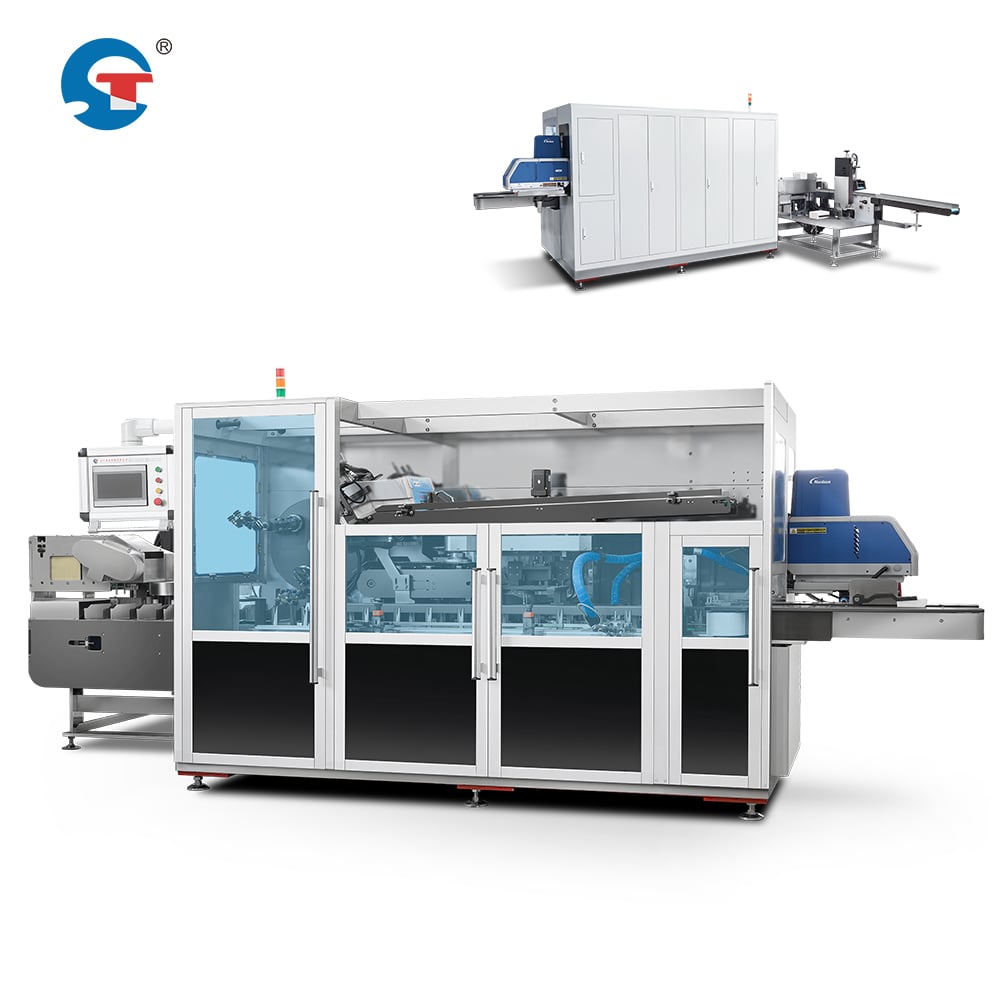
Manufacturing facilities across the pharmaceutical, nutraceutical, and consumer goods sectors face mounting pressure to increase output while maintaining cost efficiency and product quality. The transition from intermittent motion equipment to a continuous motion cartoning machine represents a strategic shift that addresses these competing demands. Unlike older intermittent systems that cycle through discrete stop-and-go motions, continuous motion technology operates with fluid, uninterrupted movement, fundamentally changing how plants approach their packaging workflows.
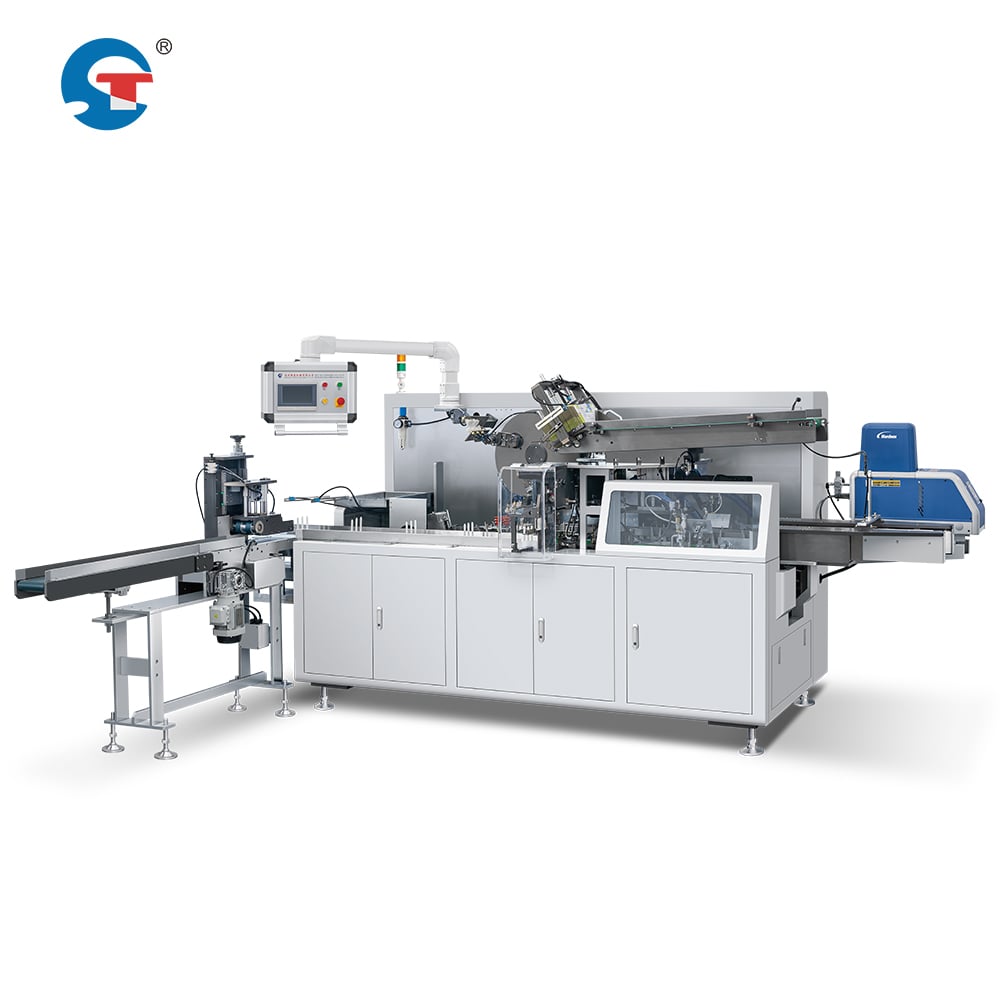
The decision to upgrade packaging infrastructure is not made lightly. Plant managers, production engineers, and procurement teams invest significant capital and operational focus into such transitions. Understanding the concrete advantages that drive this shift helps stakeholders make informed decisions about their packaging investment. The performance gap between intermittent and continuous systems has widened dramatically as market demands for speed, consistency, and automation sophistication have evolved.
The Speed and Throughput Advantage
Breaking Free from Stop-and-Go Limitations
Intermittent motion packaging systems operate through repeated cycles of movement, pause, product insertion, and advance. Each cycle takes fixed time, creating an inherent bottleneck. In contrast, high-speed carton packing automation with continuous motion never stops the production line. Products move steadily through the cartoning process—erecting, filling, and sealing occur while the line maintains constant velocity. This eliminates wasted time inherent to intermittent cycles and dramatically amplifies throughput capacity.
When comparing intermittent motion vs continuous motion packaging side by side, the throughput difference becomes obvious. A typical intermittent cartoning machine for pharmaceutical products may achieve 80 to 120 cartons per minute. Modern continuous motion equipment regularly operates at 150 to 300+ cartons per minute, depending on product type and carton size. For plants processing millions of units annually, this speed differential translates directly to reduced labor requirements, smaller equipment footprints, and faster order fulfillment cycles.
Meeting Market Demand Without Scaling Infrastructure
Growing consumer demand often forces plants to choose between adding redundant production lines or upgrading existing systems. A single continuous motion cartoning machine can handle the volume of two or three intermittent units. This consolidation reduces facility complexity, simplifies changeovers, and lowers overall maintenance overhead. The space savings alone often justify partial equipment replacement in capacity-constrained plants.
Operational Efficiency and Reliability
Reduced Mechanical Stress and Downtime
Intermittent motion systems rely on rapid acceleration and deceleration cycles. Each stop-start sequence creates mechanical shock on servos, indexing mechanisms, and drive systems. Over months and years, this wear accumulates, triggering increased maintenance frequency and component replacement costs. Continuous motion cartoning machines operate with gentler, more predictable mechanical stress patterns. The smoother motion profile extends equipment lifespan and reduces unplanned downtime by minimizing sudden mechanical strain.
High-speed carton packing automation systems with continuous motion also simplify troubleshooting. Because motion is linear and steady, technicians can more easily identify irregularities in line performance. Jams, misfeeds, and mechanical faults surface more obviously under constant motion than under intermittent cycling, enabling faster diagnosis and repair. Plants report 15 to 25 percent reductions in maintenance labor and spare parts spending after transitioning to continuous systems.
Precision and Product Quality Consistency
Product placement accuracy improves significantly with continuous motion. Intermittent systems must precisely time product insertion during brief indexing windows, introducing variability. Continuous cartoning machines for pharmaceutical products position items within a moving stream, allowing sensors and guides to make micro-adjustments in real time. This dynamic adjustment capability reduces placement errors, improves seal quality, and decreases reject rates.
Cost Economics and Long-Term Value
Capital Efficiency and Operating Margins
While continuous motion cartoning machines demand higher initial capital investment than intermittent units, their cost per carton produced drops significantly over the machine's service life. When throughput increases 50 to 100 percent with minimal operator additions, labor cost per unit falls dramatically. Reduced maintenance overhead, shorter cycle times, and improved yield rates compound these savings. Most plants achieve return on investment within 18 to 30 months when replacing older intermittent systems.
Energy consumption represents another hidden cost advantage. Modern high-speed carton packing automation with continuous motion uses servo-driven systems that consume power only when actively moving product. Intermittent machines must repeatedly accelerate and decelerate entire indexing assemblies, consuming energy inefficiently. Over annual operation, continuous systems often use 20 to 30 percent less electricity than comparable intermittent capacity alternatives.
Scalability for Future Growth
Manufacturing environments evolve. Product mix shifts, batch sizes change, and market demand fluctuates. A continuous motion cartoning machine provides upgrade and reconfiguration options that intermittent systems cannot easily match. Speed ramping, quick-change tooling, and modular design enable facilities to adapt production without replacing core equipment. This flexibility preserves capital invested and extends machine value through product line transitions.
FAQ
What is the primary difference between intermittent motion vs continuous motion packaging systems?
Intermittent motion systems stop and start in discrete cycles, pausing while products are positioned and processed. Continuous motion cartoning machines maintain steady forward movement, with positioning and processing occurring within the moving stream. This fundamental difference drives all performance advantages including speed, reliability, and precision.
How does a cartoning machine for pharmaceutical products ensure quality with continuous motion?
Continuous systems use advanced sensors, vision inspection, and real-time adjustment mechanisms to monitor and correct product placement dynamically. Because motion is steady and predictable, control systems can make micro-corrections instantly. High-speed carton packing automation integrates multiple inspection points that flag defects before sealing, maintaining pharmaceutical-grade consistency.
What is the typical payback period for upgrading from intermittent to continuous cartoning equipment?
Most facilities experience full return on investment within 18 to 30 months, depending on current production volume, labor costs, and maintenance history. Facilities running high-volume shifts see faster payback, while those with lower utilization may require longer periods. Savings accumulate through higher throughput, lower labor per unit, reduced maintenance, and improved yield rates.