
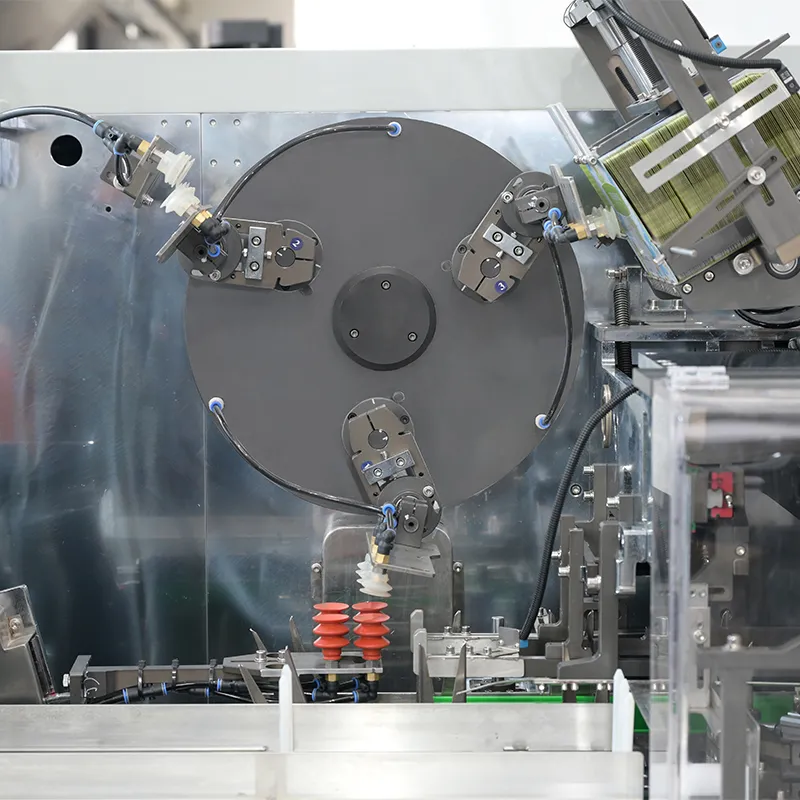
A tuck-in cartoning machine represents a critical investment for manufacturers handling multiple carton dimensions. The question of dimensional flexibility directly impacts production efficiency, material handling costs, and line reliability. Modern packaging operations rarely run single-size cartons exclusively; instead, they require systems capable of processing varied carton height dimensions while maintaining consistent speed and quality. Understanding the adaptive capabilities of these machines is essential for operations managers evaluating automation solutions.
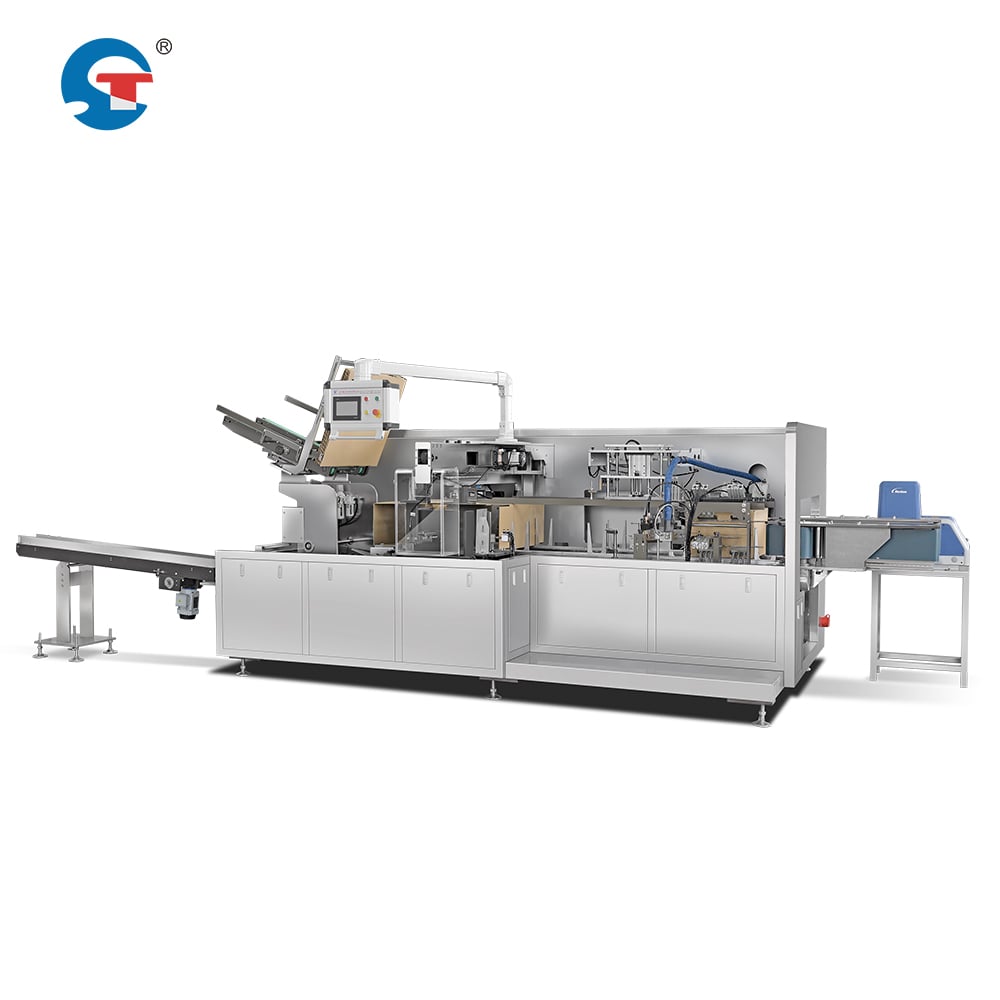
The pharmaceutical box packaging equipment sector demands exceptional flexibility because product categories span diverse carton configurations. An automatic carton closing system must balance speed with precision across different box heights, depths, and closure styles. High-speed cartoning automation for rigid boxes requires intelligent sensor integration and adjustable mechanical components that respond dynamically to format changes. This article explores how modern tuck-in machines achieve this flexibility and what factors influence their adaptive performance in real production environments.
Dimensional Flexibility in Tuck-In Cartoning Machine Design
Adjustable Mechanical Components and Height Range
Contemporary tuck-in cartoning machines incorporate modular mechanical designs that enable rapid adjustment for varied carton height dimensions. The primary height adjustment occurs in the closing and tucking head assemblies, where servo-driven mechanisms position components to match specific box geometry. A modern tuck-in cartoning machine typically accommodates height ranges spanning 40 to 200 millimeters, with some industrial-grade models extending beyond this range. These adjustments occur through motorized controls that operators configure via touchscreen interfaces, eliminating manual intervention and reducing changeover time from hours to mere minutes.
The pharmaceutical box packaging equipment category benefits significantly from this flexibility because individual product lines often require different carton dimensions without requiring separate production lines. An automatic carton closing system achieves this through programmable memory that stores multiple format profiles. When transitioning between product runs, operators simply recall the preset configuration, and the machine automatically repositions guide rails, conveyor heights, and closing mechanisms to match the new specification. This capability directly reduces setup time and material waste during format transitions.
Sensor Technology and Adaptive Control Systems
Modern high-speed cartoning automation for rigid boxes relies on advanced sensor arrays that detect carton dimensions in real-time and adjust performance parameters dynamically. Optical sensors positioned along the infeed conveyor measure carton height and signal the control system to modify tucking head pressure, speed, and positioning. This real-time feedback prevents misalignment issues that would otherwise occur during manual setup or inadequate changeovers. The tuck-in cartoning machine adjusts pneumatic and servo motor parameters within milliseconds, ensuring consistent closure quality regardless of carton variation within the configured range.
The pharmaceutical box packaging equipment industry particularly values this adaptive capability because product specifications change frequently, and consistency across batches directly impacts regulatory compliance. An automatic carton closing system with sophisticated sensor integration maintains tuck-in quality across dimension variations, reducing rejected packages and downstream quality issues. This technology minimizes the risk of improper closure, which could compromise product protection or create compliance violations in highly regulated markets.
Processing Varied Carton Heights in Production Operations
Workflow Optimization and Changeover Strategy
Operating a tuck-in cartoning machine across multiple carton height dimensions requires strategic workflow planning that balances efficiency against changeover frequency. Production schedulers typically group similar format runs to minimize adjustment time, but modern machines enable quick transitions when product demand necessitates frequent format changes. High-speed cartoning automation for rigid boxes maintains throughput efficiency even during transitions because the machine can reach operating speed quickly after format adjustment. A typical changeover for a modern tuck-in cartoning machine takes five to fifteen minutes, compared to several hours for older equipment, making flexible production economically viable.
The pharmaceutical box packaging equipment sector frequently employs strategic batching where similar carton dimensions run consecutively, then the tuck-in cartoning machine undergoes rapid adjustment for the next batch. This approach leverages the machine's inherent flexibility while optimizing labor allocation. An automatic carton closing system that supports quick changeovers enables production planners to respond to demand fluctuations without maintaining excessive inventory or idling equipment. Real production environments consistently demonstrate that flexible cartoning machines reduce overall production costs by enabling smaller batch sizes and faster response to market changes.
Quality Consistency Across Dimensional Variations
Maintaining tuck-in closure quality across varied carton height dimensions requires precise engineering and continuous quality monitoring. The tuck-in cartoning machine must apply consistent pressure and folding angles regardless of carton height within the operational range. High-speed cartoning automation for rigid boxes achieves this through force-sensing feedback in the closing mechanisms, which adjust pneumatic pressure in real-time to compensate for dimensional variations. Pharmaceutical box packaging equipment particularly demands this consistency because improper closure can lead to product damage, contamination, or regulatory non-compliance.
Production data consistently shows that machines with advanced force sensing and adaptive control systems deliver superior quality metrics across format variations. A tuck-in cartoning machine equipped with vision inspection systems can detect closure defects immediately and reject affected packages, preventing defective products from reaching customers. The automatic carton closing system's ability to maintain closure integrity across different heights directly protects brand reputation and ensures regulatory compliance in pharmaceutical and food industries.
Implementation Considerations for Multi-Format Operations
Equipment Selection and Technical Requirements
Selecting a tuck-in cartoning machine capable of processing varied carton height dimensions requires careful evaluation of technical specifications and operational constraints. The maximum and minimum height ranges must encompass all current product formats, with consideration for future product development. High-speed cartoning automation for rigid boxes should include servo-driven adjustment systems rather than manual adjustments, as servo technology enables faster, more precise format transitions. Pharmaceutical box packaging equipment buyers should prioritize machines offering quick-changeover tooling and modular design to minimize downtime during format changes.
An automatic carton closing system should incorporate redundant sensors and fail-safe mechanisms to prevent packaging defects if adjustment fails or sensors malfunction. The tuck-in cartoning machine's software should support multiple format presets with predictive adjustment capabilities that anticipate dimension variations. Integration with production management systems enables remote monitoring and data logging, facilitating root-cause analysis if quality issues emerge during transitions between carton heights.
Operator Training and Maintenance Protocols
A tuck-in cartoning machine's dimensional flexibility depends significantly on operator competency and systematic maintenance practices. Staff must understand format adjustment procedures, quality monitoring protocols, and troubleshooting procedures specific to multi-format operations. High-speed cartoning automation for rigid boxes requires regular maintenance of mechanical components, sensor calibration, and pneumatic system servicing to ensure reliable performance across dimensional variations. Pharmaceutical box packaging equipment operators should receive comprehensive training covering format change procedures, quality inspection standards, and emergency shutdown protocols.
The automatic carton closing system's performance degrades if maintenance schedules are neglected, particularly in high-speed operations where component wear accelerates. Preventive maintenance programs should include sensor recalibration, lubrication of moving components, and inspection of tucking head wear surfaces. Regular audits of closure quality across different carton heights help identify degradation early, enabling corrective maintenance before quality issues impact production. Documentation of format changeovers and performance metrics provides valuable data for optimizing production schedules and predicting component replacement needs.
FAQ
What carton height range can a typical tuck-in cartoning machine accommodate?
Most modern tuck-in cartoning machines accommodate carton heights ranging from approximately 40 to 200 millimeters, with some industrial models extending beyond this range. The specific capability depends on the machine model and manufacturer specifications. High-speed cartoning automation for rigid boxes often includes software profiles supporting up to 10 or more distinct format configurations, allowing rapid switching between different carton dimensions without physical component replacement.
How quickly can a tuck-in cartoning machine adjust for different carton heights?
Contemporary tuck-in cartoning machines equipped with servo-driven adjustment systems typically complete format changeovers in 5 to 15 minutes. The pharmaceutical box packaging equipment sector benefits from these quick transitions, which reduce downtime and enable responsive production scheduling. Machines with preset memory profiles further accelerate transitions by automating the repositioning of all mechanical components to match stored format specifications, minimizing operator intervention time.
Does the flexibility of a tuck-in cartoning machine affect closure quality across different carton heights?
An automatic carton closing system with advanced sensor technology and adaptive control maintains consistent closure quality across varied carton height dimensions. Real-time force sensing and servo-driven adjustments compensate for dimensional variations, ensuring uniform tuck-in pressure and fold angles. Properly configured and maintained tuck-in cartoning machines demonstrate minimal quality variation across the entire operational height range, making multi-format production feasible without sacrificing package integrity or regulatory compliance in pharmaceutical applications.