
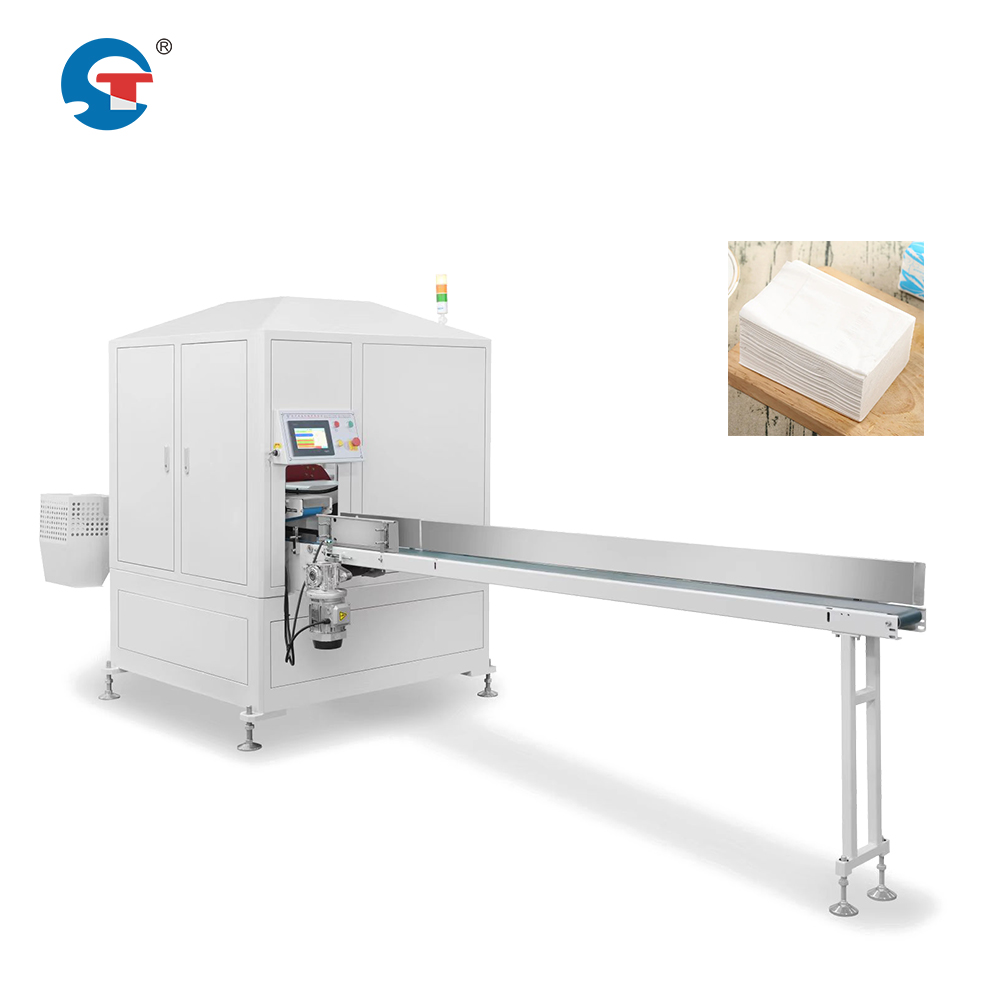
Selecting a tissue cutting machine system calls for more than checking a catalogue specification. Buyers need to match the cutting method to material, dimensions, throughput, operator skills, and downstream handling. A disciplined review of these factors helps teams judge whether a proposed setup will fit real production and laboratory work, rather than an idealized sample run. Start by defining the job the system must perform.
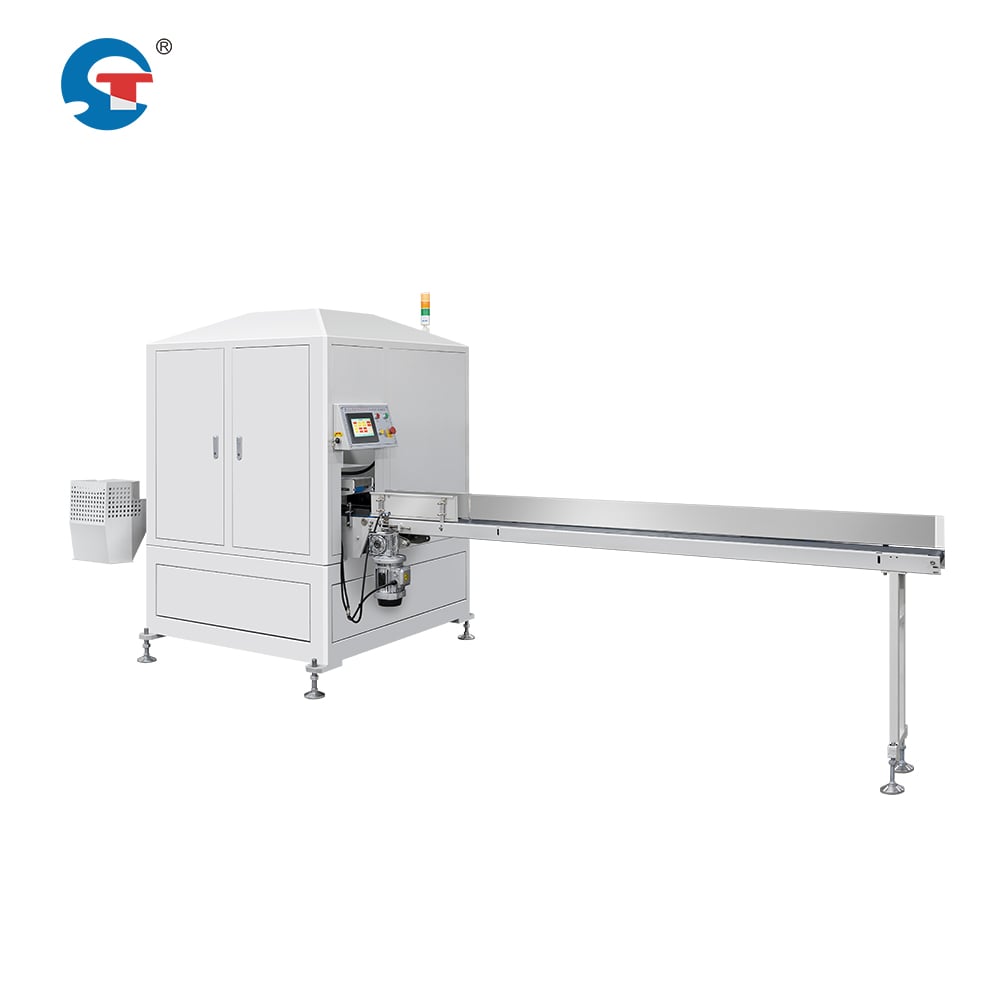
For tissue paper converting or laboratory preparation, the best choice depends on the material and the required output, not simply on a machine label. Buyers comparing tissue cutting machine options should map each need to a verifiable operating requirement. Consider precision tissue slicing equipment, the role of an automated specimen preparation system, and whether a laboratory histology sectioning device describes the intended application.
Define the application and material requirements
Match the machine to the material
Begin with a clear description of the material: its thickness, width, softness, layering, moisture sensitivity, and tendency to stretch or tear. A tissue cutting machine designed for one material may not deliver the same result with another. Ask how precision tissue slicing equipment handles the actual stock, and provide representative samples for evaluation wherever possible.
Laboratory buyers should distinguish routine tissue-paper cutting from the preparation of biological specimens. An automated specimen preparation system must suit the sample format, preparation protocol, and handling environment. A laboratory histology sectioning device serves a different purpose from converting equipment, so confirm that the proposed mechanism and controls fit the sample type and intended workflow.
Specify output and tolerances
Translate the application into measurable acceptance criteria before comparing equipment. Define cut length or section thickness, dimensional variation, edge condition, acceptable waste, and the rate required during normal operation. For precision tissue slicing equipment, agree on how repeatability will be assessed; a stated resolution alone does not show how the system performs across a production shift or a series of samples.
Also account for material changes, batch sizes, and product variation. An automated specimen preparation system may need flexible settings for different samples, while a tissue cutting machine used in converting may prioritize stable dimensions and dependable feeding. Buyers should clarify the range of supported inputs and confirm that laboratory histology sectioning device requirements do not get confused with paper-processing specifications.
Evaluate operating workflow and control
Review loading, adjustment, and changeover
Map the full sequence from loading through cutting, collection, inspection, and cleaning. Look for points where an operator must handle material, make an adjustment, or pause the process. An automated specimen preparation system should fit the real order of laboratory tasks, not add transfers that complicate sample tracking. For precision tissue slicing equipment, examine how changeovers are made and how settings are recorded.
Ask operators to review the proposed workflow using familiar materials and realistic batch sizes. Assess whether controls are understandable, adjustments are accessible, and routine cleaning can be completed without disrupting nearby work. A laboratory histology sectioning device may need a different loading and sample-identification process from a tissue cutting machine on a converting line, so check each handoff explicitly.
Confirm controls, safety, and integration
Identify the controls that matter to daily work, such as adjustable settings, start and stop functions, fault indications, and any available process records. Ask how the equipment responds to a jam or interrupted cycle, and establish which actions belong to the operator. Precision tissue slicing equipment should be evaluated for usable control and safe access, not only for its cutting mechanism.
Check the installation footprint, electrical requirements, guarding, access for maintenance, and compatibility with existing collection or inspection steps. An automated specimen preparation system may need to align with laboratory records and sample flow, while a production installation may connect with line procedures. Confirm that any laboratory histology sectioning device can be operated and maintained under the site’s established safety practices.
Assess evidence, support, and total ownership
Validate performance before purchase
Request a demonstration or sample trial using material that represents normal and challenging conditions. Record the settings, output dimensions, cycle behavior, visible defects, and operator interventions. For precision tissue slicing equipment, this evidence helps distinguish repeatable performance from a successful single cut. Agree in advance on what constitutes an acceptable result and how it will be documented.
Review what is included in the quoted configuration, including tooling, spare parts, installation, training, and documentation. A tissue cutting machine may require ongoing blade or component replacement, so ask about inspection intervals and the skills needed for routine service. For an automated specimen preparation system, clarify who will support setup and troubleshooting, and what information operators should record when an issue occurs.
Plan for lifecycle fit
Compare ownership needs using the expected workload, labor steps, consumables, maintenance time, and space requirements. Avoid relying on a headline throughput figure unless its material, settings, and operating conditions match your use. A laboratory histology sectioning device should be considered in relation to sample volume and preparation protocols, while converting teams should assess production rhythm and changeover frequency.
Finally, check whether the machine can accommodate foreseeable changes in material or process without creating unsupported assumptions. Establish the service contact route, documentation language, training plan, and availability of essential wear parts before installation. These details help determine whether precision tissue slicing equipment is practical over its working life and whether the selected system will remain suitable as operating needs evolve.
FAQ
How should buyers evaluate precision tissue slicing equipment?
Use representative samples and agreed tolerances to assess cut quality, repeatability, handling, and waste. Evaluate precision tissue slicing equipment under realistic settings and include operator adjustments in the review.
When is an automated specimen preparation system appropriate?
It is appropriate when the system fits the sample workflow, tracking requirements, and intended level of process automation. Confirm these details for the automated specimen preparation system before selecting a configuration.
Does a laboratory histology sectioning device suit tissue paper?
Not necessarily. Buyers should verify the intended material and application because a laboratory histology sectioning device may be designed for specimen work, not paper converting. Match the equipment to the actual task.