
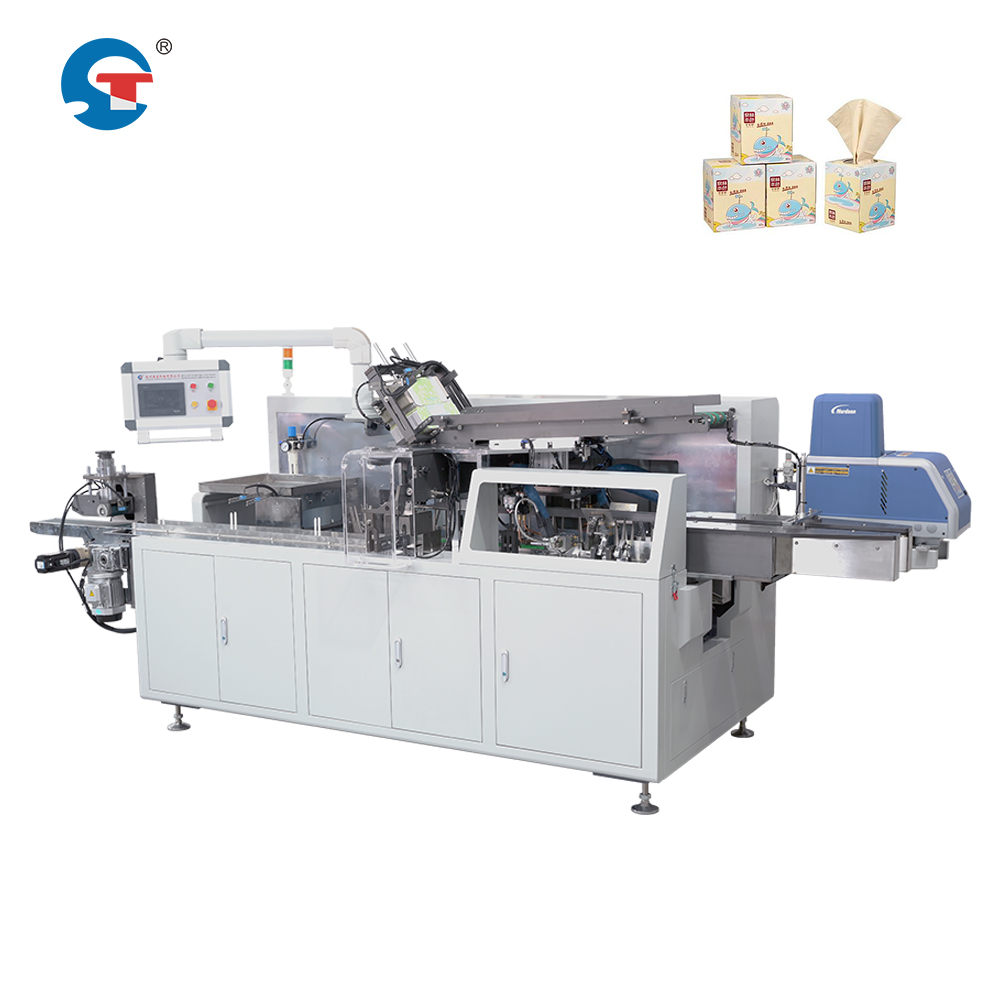
A facial tissue packing machine is engineered to deliver precision, speed, and reliability in the tissue packaging process. Modern manufacturing demands equipment that can handle the delicate nature of facial tissues while maintaining consistent output quality. The effectiveness of a facial tissue packing machine depends on several critical factors that directly impact production efficiency, product integrity, and operational costs.
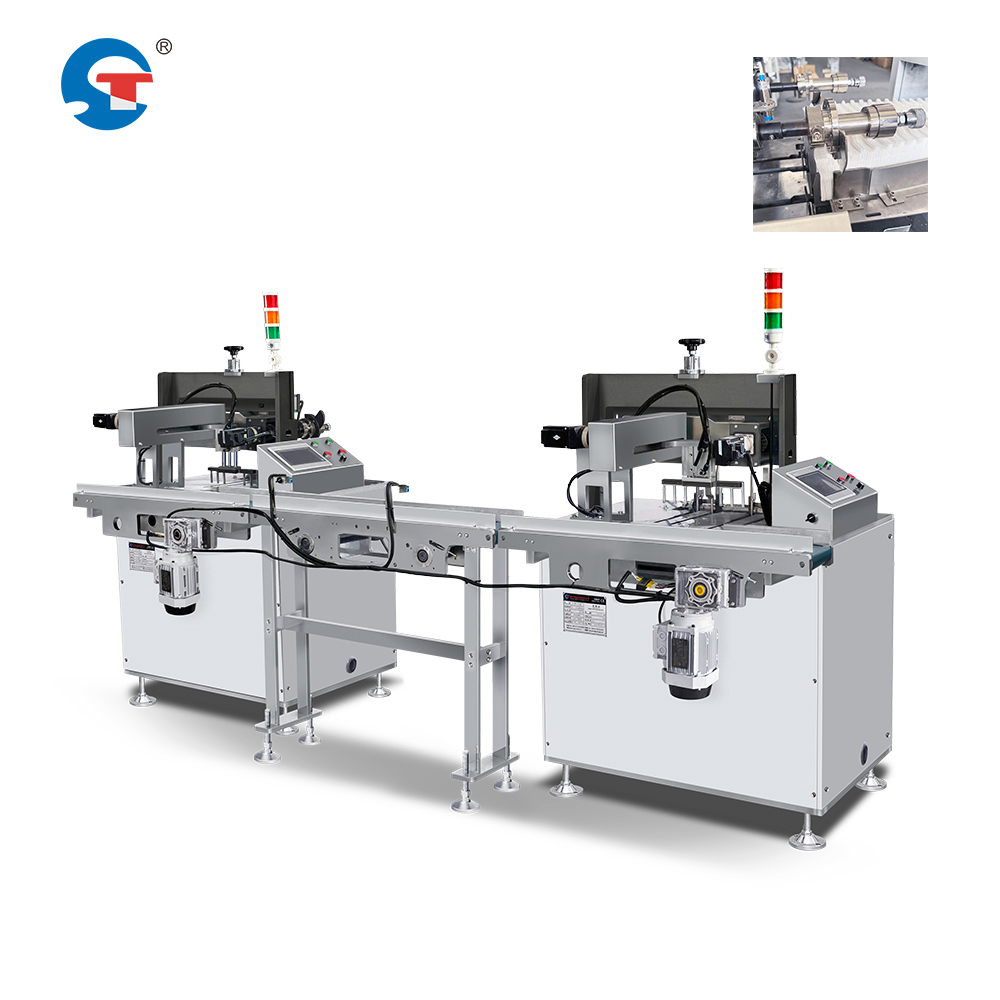
Flexible tissue packaging has become the industry standard, requiring equipment that adapts to various package formats, sizes, and materials. An effective facial tissue packing machine must balance speed with accuracy, ensuring that each package meets quality specifications while maximizing throughput. Understanding the components and capabilities that define equipment effectiveness helps manufacturers choose solutions that align with their production goals.
Key Performance Features of Modern Tissue Packaging Systems
Speed and Throughput Capabilities
High-speed tissue converting machinery represents the backbone of competitive tissue production. Modern systems achieve speeds ranging from 40 to 120 boxes per minute, depending on package complexity and material specifications. The facial tissue packing machine must maintain consistent velocity without compromising package integrity or causing product damage. Superior threading systems, servo-driven controls, and optimized mechanical design work together to deliver reliable high-speed operation. Throughput directly influences production costs per unit, making speed optimization essential for manufacturing profitability in competitive markets.
Precision and Accuracy in Packaging
Accuracy in tissue box packaging equipment ensures that every package meets dimensional specifications and contains the correct quantity of product. Vision systems and positioning controls verify tissue count, alignment, and seal quality in real-time. Advanced sensors detect defects early, preventing substandard packages from entering distribution channels. This precision reduces waste, minimizes customer complaints, and protects brand reputation. Automatic facial tissue wrapping systems employ closed-loop feedback mechanisms that continuously adjust parameters based on actual performance data.
Design Elements That Enable Flexibility and Adaptability
Format Conversion and Quick Changeover
Flexible tissue packaging demands equipment capable of handling diverse formats without extensive reconfiguration. Modern tissue box packaging equipment features modular designs that allow operators to switch between standard, boutique, and custom package sizes with minimal downtime. Quick-change components, tool-less adjustments, and intuitive interfaces reduce changeover times from hours to minutes. This adaptability enables manufacturers to respond quickly to market demand shifts and customer-specific requirements. Format flexibility also allows producers to optimize packaging for different retail channels and regional preferences.
Material Compatibility and Web Handling
Effective high-speed tissue converting machinery accommodates various film types, substrates, and material combinations without performance degradation. Whether processing standard film, embossed laminates, or specialty materials, the equipment must maintain consistent tension and prevent slippage. Advanced web-guiding systems and precisely calibrated rollers ensure smooth material flow through the packaging line. Material compatibility directly impacts production flexibility and the ability to offer differentiated products in competitive markets. Robust construction prevents mechanical stress on delicate tissues during the wrapping and sealing processes.
Operational Efficiency and Cost Management
Energy Consumption and Sustainability
Modern tissue box packaging equipment emphasizes energy efficiency through variable frequency drives, optimized motor sizing, and regenerative braking systems. Lower energy consumption reduces operational costs and aligns with sustainability objectives increasingly demanded by retailers and consumers. An effective facial tissue packing machine minimizes compressed air requirements and optimizes servo duty cycles to achieve lean power profiles. Energy-efficient design extends equipment lifespan by reducing thermal stress on components. Manufacturers benefit from lower utility bills and improved environmental credentials that support market positioning.
Maintenance Requirements and Uptime
Reliability and ease of maintenance distinguish truly effective automatic facial tissue wrapping systems from basic equipment. Accessible components, straightforward lubrication points, and standardized replacement parts reduce maintenance complexity and associated downtime. Preventive maintenance schedules based on run-time data and condition monitoring help operators optimize equipment availability. Self-diagnostic capabilities alert technicians to potential issues before they cause line stoppage. High uptime directly translates to greater production volume, faster return on investment, and stronger competitive positioning for tissue manufacturers.
Integration and Industry Applications
Production Line Integration
An effective high-speed tissue converting machinery system integrates seamlessly into existing production ecosystems. Compatibility with upstream tissue converting equipment, downstream case packing systems, and warehouse automation ensures smooth workflow. Data connectivity enables real-time production monitoring, quality tracking, and predictive maintenance scheduling. Integration with enterprise resource planning systems improves inventory management and demand forecasting accuracy. Tissue box packaging equipment that communicates with plant-wide systems creates efficiency gains throughout the manufacturing operation.
Market Competitiveness and Customer Satisfaction
Facial tissue packing machines that deliver consistent quality and reliable performance support market competitiveness and customer loyalty. Retailers demand defect-free products that meet strict specifications for appearance, functionality, and package integrity. Consumers expect consistent product quality that reinforces brand trust and repeat purchase behavior. Effective packaging equipment demonstrates commitment to quality and operational excellence that resonates with business partners. The ability to reliably produce differentiated products through flexible tissue packaging opens new market opportunities and revenue streams for manufacturers.
FAQ
What is the primary function of facial tissue packing machine equipment?
A facial tissue packing machine automatically wraps, forms, and seals individual boxes of facial tissues at high speed. The equipment handles the complete packaging process from tissue counting through final sealing and output, replacing manual labor with consistent, reliable automation. Modern systems integrate quality control, format flexibility, and production monitoring to meet industrial manufacturing standards.
How does tissue box packaging equipment improve production efficiency?
Tissue box packaging equipment increases efficiency by achieving high throughput rates, minimizing product waste, reducing labor costs, and enabling rapid format changes. Automated processes eliminate manual handling variability and human error, resulting in consistent output quality. Integration with production management systems provides real-time visibility into performance metrics and enables data-driven optimization decisions.
What factors determine whether high-speed tissue converting machinery is right for my facility?
Selection depends on required production volume, package format diversity, available floor space, capital budget, and long-term growth projections. Evaluate your current throughput demands against the machine specifications and consider future market opportunities. Consider maintenance capabilities, technical support availability, and integration requirements with existing equipment before making investment decisions.