
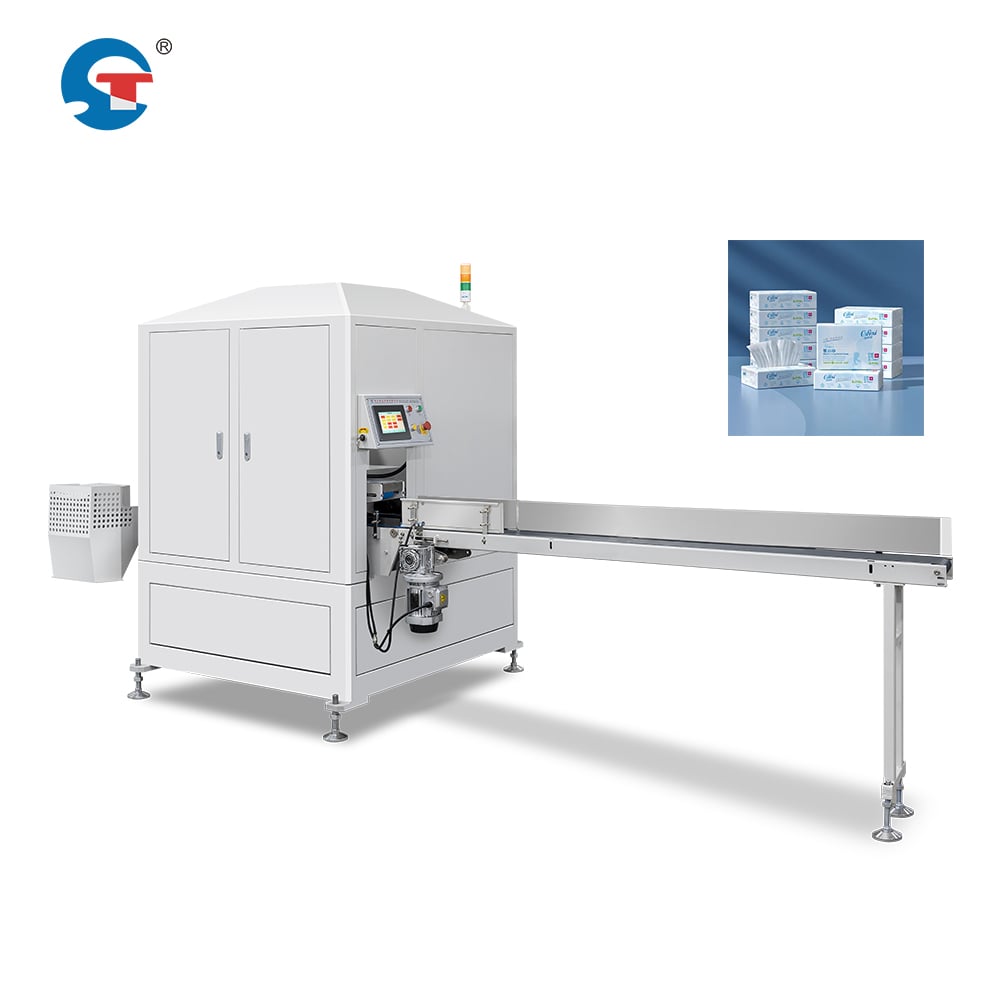
A tissue cutting machine can handle different tissue-paper specifications when its adjustment range, feeding method, and cutting setup match the material and finished-size requirements. The key is to define the product before choosing settings: paper width and thickness, roll condition, sheet length, and required edge quality all affect a dependable run. tissue cutting machine refers here to paper converting, not clinical tissue preparation. Automated tissue slicing equipment should therefore be assessed against the actual paper products it will process.
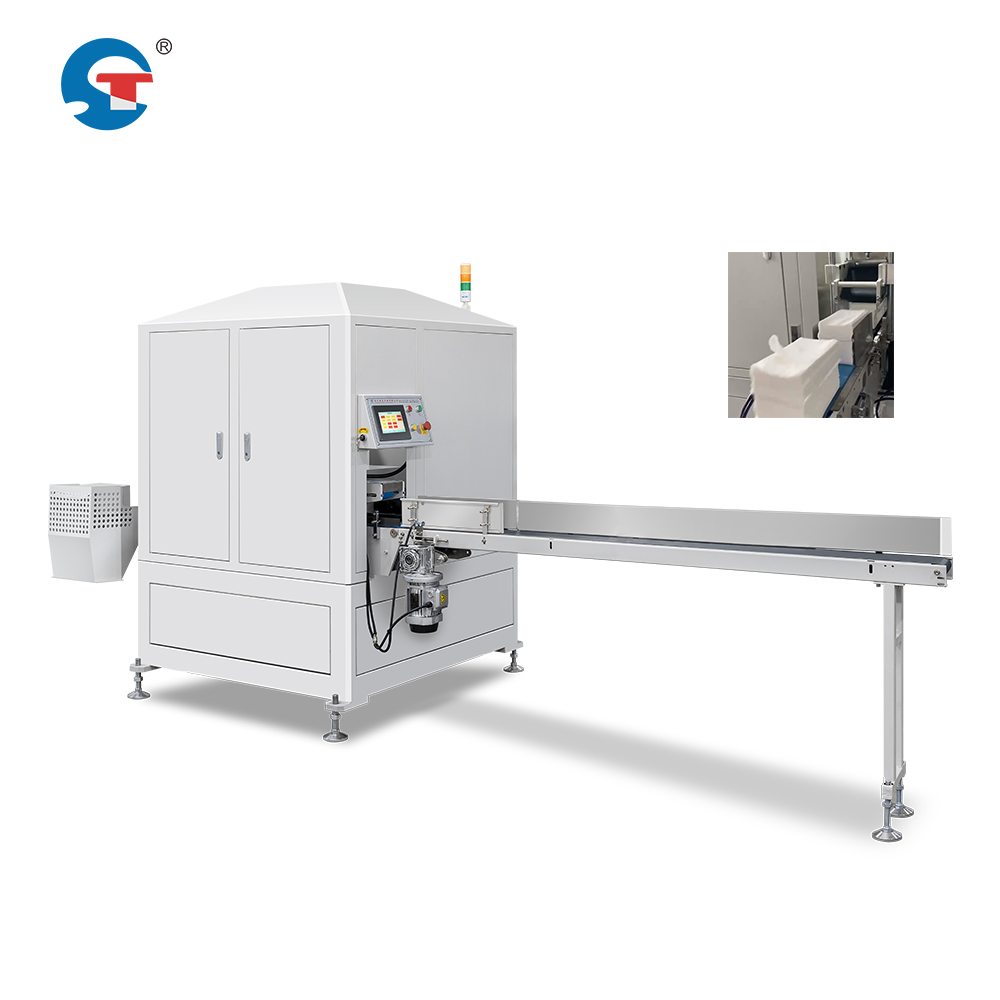
Different specifications do not automatically require different machines, but they do require verified operating limits and repeatable changeover practices. Automated tissue slicing equipment can be suitable for a defined range of paper formats when operators can set and check the relevant parameters. Laboratory tissue sectioning technology and precision pathology specimen preparation describe a separate medical context, so they should not be treated as interchangeable with tissue-paper cutting.
Specifications That Determine Cutting Fit
Paper width, thickness, and material behavior
Start with the web width and the thickness range of every tissue grade in the production plan. A tissue cutting machine must guide the material evenly into the cutting zone, while the feed and blade arrangement must suit the paper’s softness and strength. Automated tissue slicing equipment should be assessed with representative samples, because a setting that works for one grade may cause stretching, skew, or uneven edges on another.
Consider ply count, embossing, and surface texture alongside nominal thickness. These features can affect how paper compresses or tracks during feeding, even when two rolls share the same stated width. Laboratory tissue sectioning technology does not address these paper-converting variables; precision pathology specimen preparation concerns biological specimens and a different workflow. Keeping those meanings distinct helps buyers compare equipment with the right specification sheet.
Finished dimensions and cut quality
Define the required sheet or segment length, acceptable dimensional variation, and the edge condition needed for packaging or downstream converting. Automated tissue slicing equipment can only meet a target consistently when the feed, cut timing, and material path are set for that target. For each product, record the target dimensions and confirm them across a sample run rather than relying on a single cut.
A wider product range may call for more setup flexibility, but flexibility is useful only when settings can be repeated and verified. Check whether the proposed tissue cutting machine accommodates the required web width, thickness, and cut length without improvised adjustments. Precision pathology specimen preparation and laboratory tissue sectioning technology are not evidence of paper-cutting capability; each refers to laboratory procedures that require purpose-built tools.
How to Validate Different Product Runs
Test representative materials and settings
Build a validation plan around the actual products, including the thinnest and thickest grades, the narrowest and widest formats, and any unusually textured paper. Automated tissue slicing equipment should be tested at planned operating settings, with samples inspected for length, alignment, edge quality, and feed stability. This makes the evaluation practical: it shows which specification changes are routine and which may need a revised setup.
Change one variable at a time during initial trials, then document the settings associated with each acceptable result. This is more useful than assuming all grades behave alike. Precision pathology specimen preparation uses controlled sample-handling steps for medical work, whereas a paper converting trial measures web movement and cut consistency. The distinction matters whenever teams use similar search language for very different equipment categories.
Plan changeovers and production checks
For each product change, identify which settings need adjustment and who verifies the first pieces. Automated tissue slicing equipment is easier to manage when operators follow a repeatable setup sequence, confirm material alignment, and inspect initial output before releasing a full run. Laboratory tissue sectioning technology is not a substitute for these production controls because it serves a separate sample-preparation purpose.
Include roll loading, splice handling, waste removal, and packaging needs in the changeover review. A cut may meet its dimensional target while the process still creates delays or excess scrap if the material path is awkward. Precision pathology specimen preparation does not define these factory requirements. Instead, use the paper product list, changeover frequency, and expected run sizes to judge whether automated tissue slicing equipment fits daily production.
Equipment Boundaries and Purchasing Decisions
Separate paper converting from laboratory sectioning
The word tissue can refer to paper products or biological material, but machines for those applications do not perform the same task. A paper tissue cutting machine processes a continuous web or related paper format into defined pieces. Precision pathology specimen preparation involves preparing biological samples for examination, while laboratory tissue sectioning technology describes specialized laboratory methods and instruments.
This distinction prevents a specification mismatch during research and procurement. If the requirement is paper converting, evaluate roll dimensions, paper properties, cut size, feeding, and production checks. If the requirement is biological sample work, automated tissue slicing equipment for paper is not an appropriate substitute. Laboratory tissue sectioning technology and precision pathology specimen preparation belong in a separate equipment assessment with relevant sample and laboratory requirements.
Match the machine range to the product portfolio
Before committing, compare every intended product against the machine’s stated operating range and request a demonstration or sample trial when possible. Automated tissue slicing equipment should show stable feeding and acceptable cuts across the grades that matter to the operation, not just one convenient sample. Confirm how settings are adjusted, how results are checked, and what information operators need to reproduce a validated setup.
A machine that covers the current portfolio may not suit future formats, so assess likely changes without assuming unlimited flexibility. Precision pathology specimen preparation and laboratory tissue sectioning technology remain unrelated to those paper-production decisions. A useful purchase review connects each paper specification to a measurable acceptance check, then considers changeover effort, operator training, and maintenance access. This turns broad claims about versatility into clear, verifiable requirements.
FAQ
Can one machine cut tissue paper in different sizes?
Often, yes, provided the machine’s adjustment range covers the required formats and trials confirm consistent feeding and cuts. Automated tissue slicing equipment should be checked against each target width, thickness, and length before production.
Which specifications should be checked before a trial?
Record paper grade, ply, width, thickness, texture, roll condition, finished dimensions, and the desired edge quality. Precision pathology specimen preparation and laboratory tissue sectioning technology are separate fields, so do not use their criteria to assess paper cutting.
Is paper tissue cutting the same as pathology sectioning?
No. Paper converting cuts tissue paper into product formats, while pathology work prepares biological specimens for examination. Laboratory tissue sectioning technology does not define automated tissue slicing equipment for paper, and precision pathology specimen preparation requires its own application-specific evaluation.