
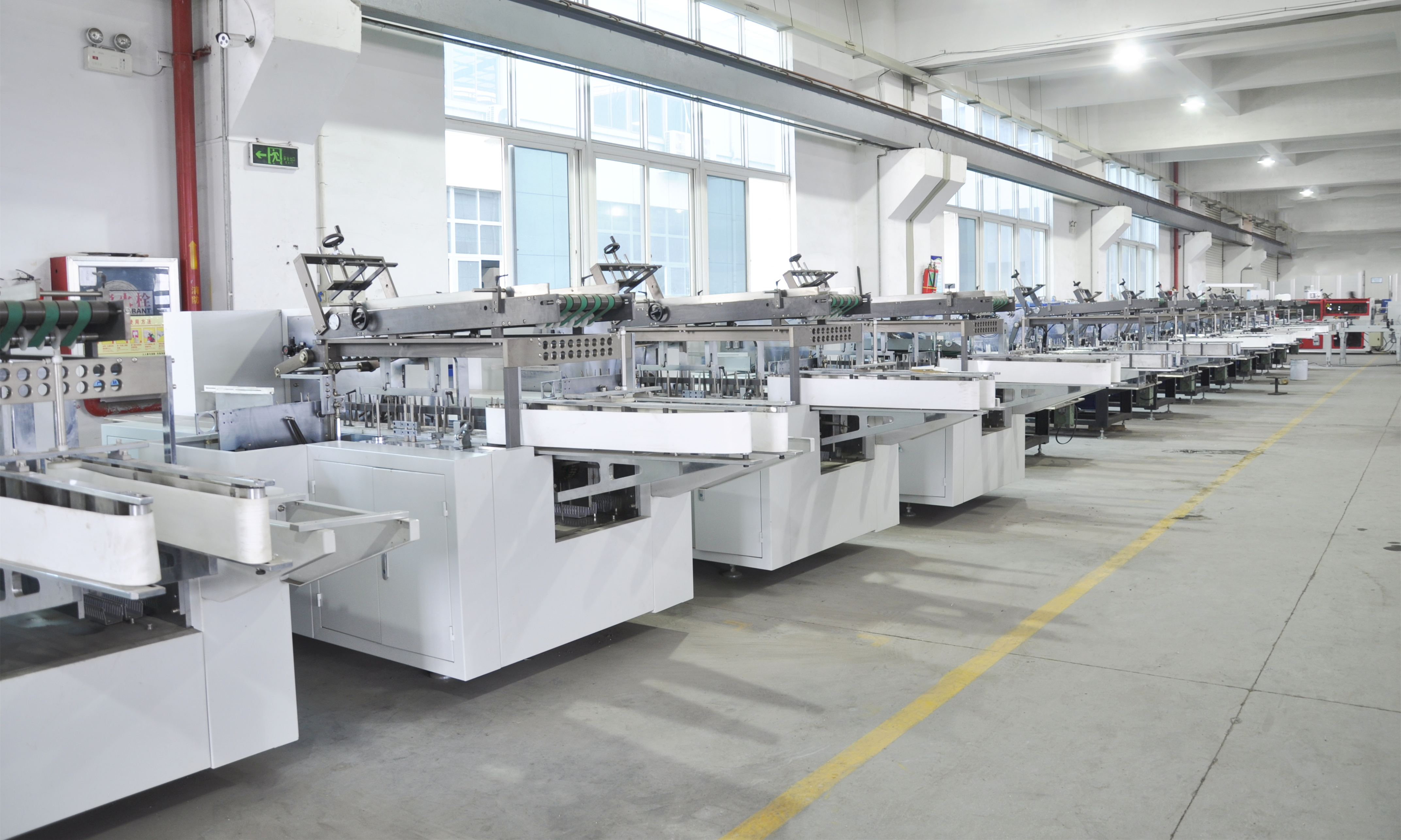
Understanding air consumption metrics is critical when evaluating a cartoning machine for production line operations. Pneumatic systems drive most modern carton handling, and calculating these metrics ensures you select equipment that aligns with your facility's compressed air infrastructure and operational requirements. Without proper air consumption analysis, production bottlenecks, equipment failures, and unexpected utility costs can significantly impact your bottom line.
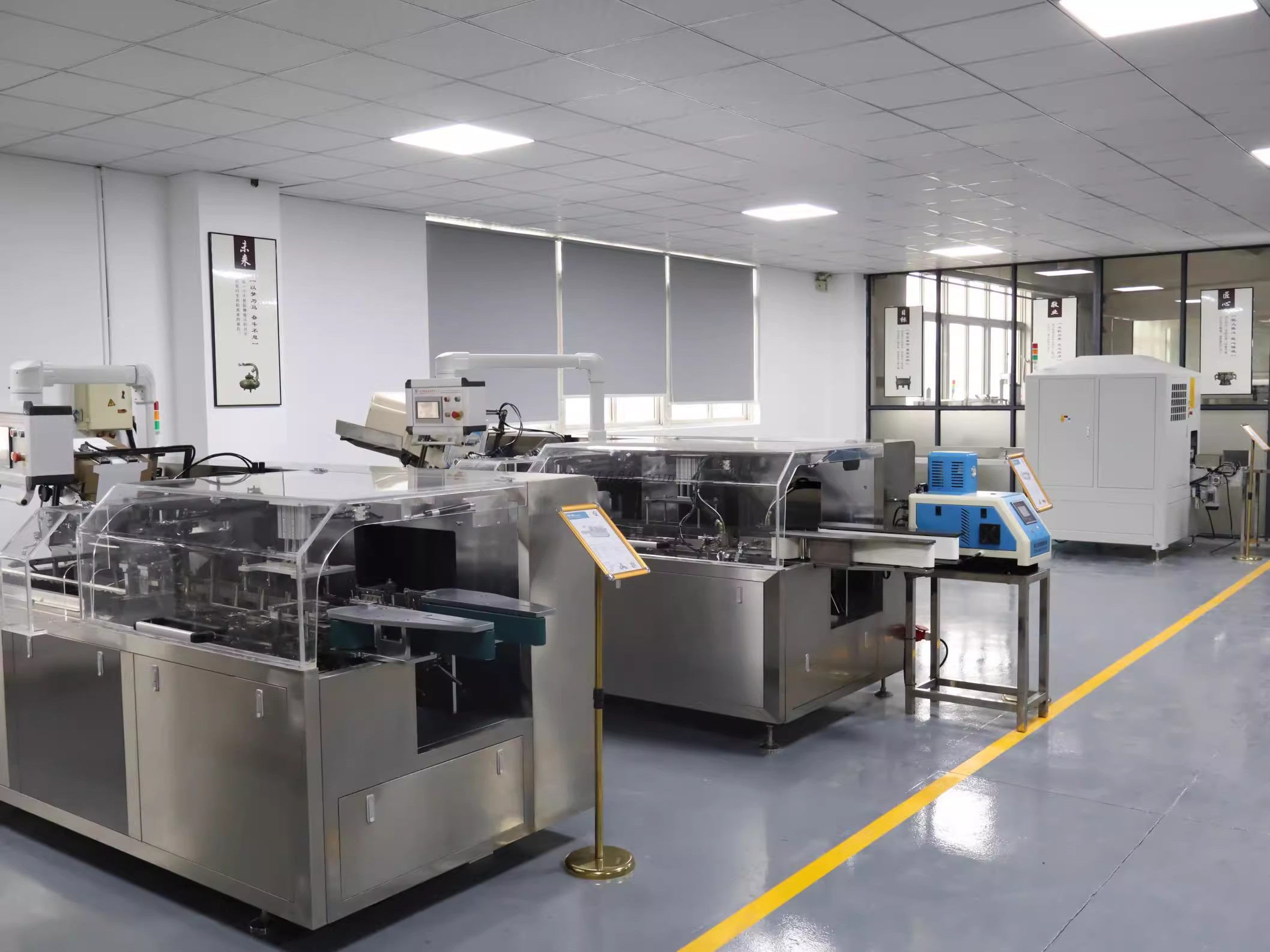
The automotive case packing equipment landscape demands precision planning, particularly around pneumatic demand forecasting. Calculating air consumption prevents oversizing or undersizing compressor capacity and allows you to integrate new automatic case packing equipment smoothly into existing production environments. This article walks through essential metrics and calculation methods that manufacturing engineers and procurement professionals need when sourcing or optimizing a cartoning machine for production line applications.
Understanding Pneumatic Demand in Cartoning Operations
Peak Versus Average Air Consumption
A cartoning machine speed and capacity specifications sheet lists air pressure and flow rates, but these figures rarely tell the complete story. Peak air consumption occurs during maximum-speed operation when all pneumatic actuators fire simultaneously, while average consumption reflects real-world cycling during mixed production runs. For automatic case packing equipment, peak demand typically exceeds average by 40 to 60 percent, depending on machine design, operating speed, and carton formats.
Understanding this distinction prevents undersizing your compressed air supply. If your facility's compressor cannot deliver peak demand, the machine will cycle inconsistently, reducing cartoning machine speed and capacity specifications and introducing product quality defects. Conversely, knowing your true average consumption helps you avoid expensive over-provisioning and unnecessary energy waste.
Measuring Cubic Feet Per Minute at Standardized Conditions
Manufacturers report air consumption in cubic feet per minute (CFM) at standard conditions, typically 90 pounds per square inch (PSI) and 68 degrees Fahrenheit. However, your facility's actual air supply pressure and ambient temperature may differ significantly. Adjusting consumption figures to your site conditions is essential for accurate planning. A cartoning machine rated at 25 CFM at 90 PSI will consume approximately 30 CFM if your compressor operates at 80 PSI, assuming isothermal expansion.
Temperature variations also impact consumption. Cooler ambient conditions increase air density, reducing CFM requirements, while hotter environments decrease density and increase flow demand. When selecting carton sealing and erecting automation equipment, request consumption data from the supplier under conditions matching your facility's typical operating parameters.
Calculating Total System Air Requirements
Accounting for Duty Cycle and Intermittent Operation
Carton sealing and erecting automation systems rarely operate at peak pneumatic demand continuously. Most cartoning machines include charging periods where accumulators refill and actuators reset between cycles. The duty cycle—the percentage of time pneumatic systems are actively drawing air—directly affects your compressor sizing calculation. A machine with a 60 percent duty cycle operating at 30 CFM peak demand effectively requires only 18 CFM average from the compressor.
Determining accurate duty cycle requires observing the machine or consulting detailed specification sheets from equipment manufacturers. When evaluating automatic case packing equipment proposals, request cycle-by-cycle breakdowns showing activation periods for each pneumatic function. This granularity allows you to calculate true average consumption and validate that your facility's compressed air system can sustain production targets without pressure drops or performance degradation.
Including Auxiliary System Consumption
The primary cartoning machine for production line work consumes only part of the total pneumatic load. Auxiliary systems—including carton erectors, stackers, conveyor boosters, and reject ejectors—demand significant additional air. These peripheral systems often operate independently from the main machine, creating cumulative demand that exceeds individual component specifications. A production line integrating automatic case packing equipment with downstream carton palletizing equipment may see total pneumatic demand increase by 35 to 50 percent compared to standalone machine consumption.
Comprehensive air consumption calculation requires itemizing every pneumatic component on the production line. Map each device's CFM requirement and duty cycle, then sum the total average demand plus a 15 to 20 percent contingency buffer. This approach ensures your compressed air system maintains minimum operating pressure under peak simultaneous load conditions, preserving machine performance and reliability.
Optimization and Monitoring Strategies
Implementing Flow Measurement and Data Logging
Installing flow meters downstream of your compressor and upstream of production equipment provides real-time visibility into air consumption patterns. Digital flow measurement combined with data logging reveals consumption trends, identifies leaks, and highlights inefficient actuator operation. For facilities operating multiple cartoning machine speed and capacity specifications configurations, historical consumption data becomes invaluable for capacity planning and troubleshooting pressure drop issues.
Modern compressed air systems often include automated monitoring that triggers alerts when consumption exceeds expected parameters. These systems help detect actuator seal degradation, pilot valve leaks, and improper regulator settings before they cascade into production delays. Continuous monitoring transforms air consumption from a static specification into a dynamic operational metric that drives maintenance priorities and system optimization.
Adopting Energy-Efficient Pneumatic Components
Reducing cartoning machine for production line air consumption through component upgrades directly lowers energy costs and improves system reliability. Modern proportional solenoid valves, advanced actuator designs, and optimized accumulator sizing minimize wasted air compared to conventional technologies. Additionally, supply-side improvements such as variable-displacement compressors and demand-controlled regulation systems adjust compressed air production to match actual consumption patterns, eliminating the energy penalty of maintaining constant supply pressure.
When upgrading automatic case packing equipment or integrating carton sealing and erecting automation systems into existing lines, specify energy-efficient pneumatic components as part of the procurement package. The incremental cost typically returns through reduced utility consumption within 18 to 36 months, while simultaneously improving machine performance stability and component longevity.
FAQ
How do I convert stated air consumption from one pressure rating to another?
Use the ideal gas law adjustment: CFM at your pressure equals CFM stated × (stated pressure / your pressure). For example, a cartoning machine for production line work rated at 25 CFM at 90 PSI will require approximately 28 CFM at 80 PSI. This adjustment accounts for expansion of the gas as pressure decreases and ensures accurate compressor sizing at your facility's actual supply pressure.
What safety margin should I include when sizing a compressor for automatic case packing equipment?
Industry standards recommend a 15 to 20 percent contingency buffer above calculated peak demand for cartoning machine speed and capacity specifications planning. This margin accommodates system aging, leakage, future production growth, and temporary pressure fluctuations. A compressed air system sized exactly at calculated demand will experience pressure instability and reduced machine performance during peak operating conditions.
How often should air consumption data be verified for carton sealing and erecting automation systems?
Verify consumption measurements annually or whenever significant production parameter changes occur—such as speed increases, format changes, or component replacements. Pneumatic component wear increases consumption over time, and flow meter calibration can drift, making periodic verification essential for maintaining accurate records and detecting efficiency degradation in your automatic case packing equipment investment.