
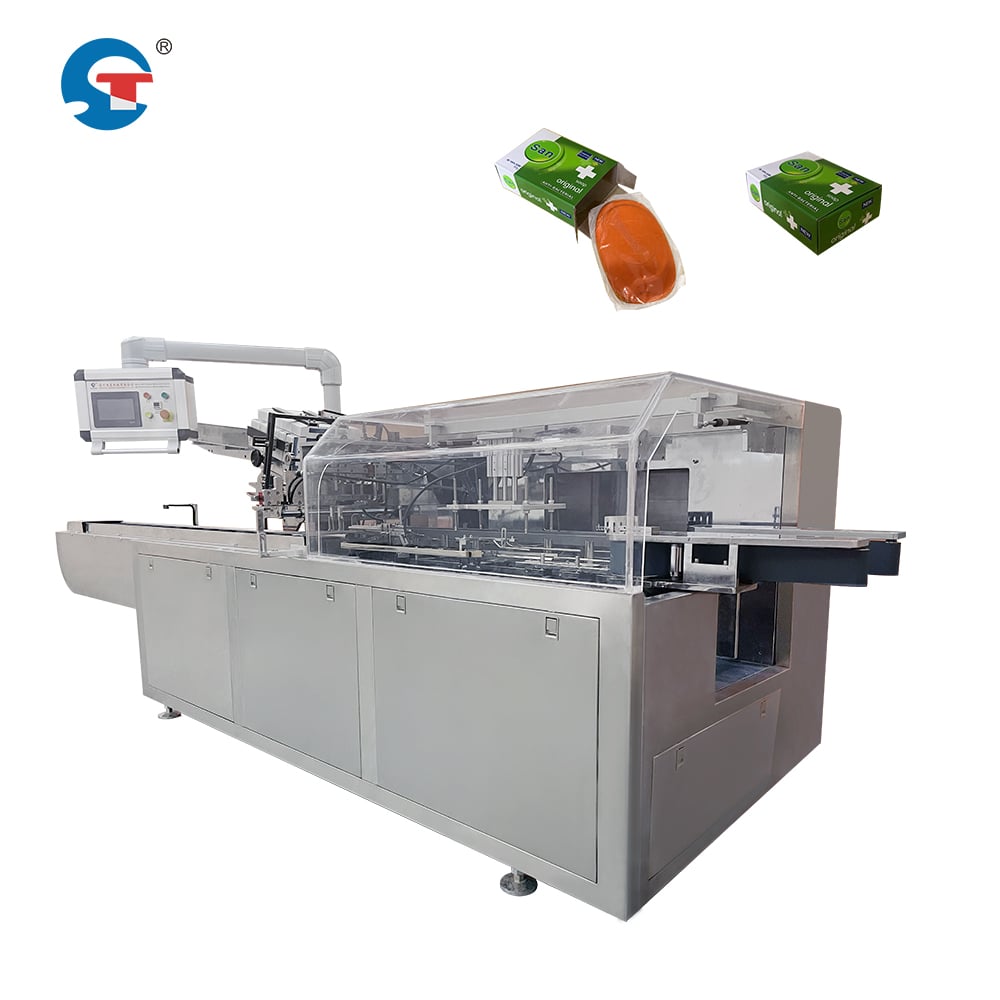
Modern manufacturing demands flexibility and precision, especially in the cosmetics and personal care industry. A soap cartoning machine is engineered to overcome one of the most common production challenges: handling soap products that come in varying shapes, sizes, and formats. Unlike manual cartoning processes that require constant operator adjustment and slow throughput, advanced automatic soap packaging equipment adapts to product specifications with minimal reconfiguration, reducing downtime and increasing output consistency.
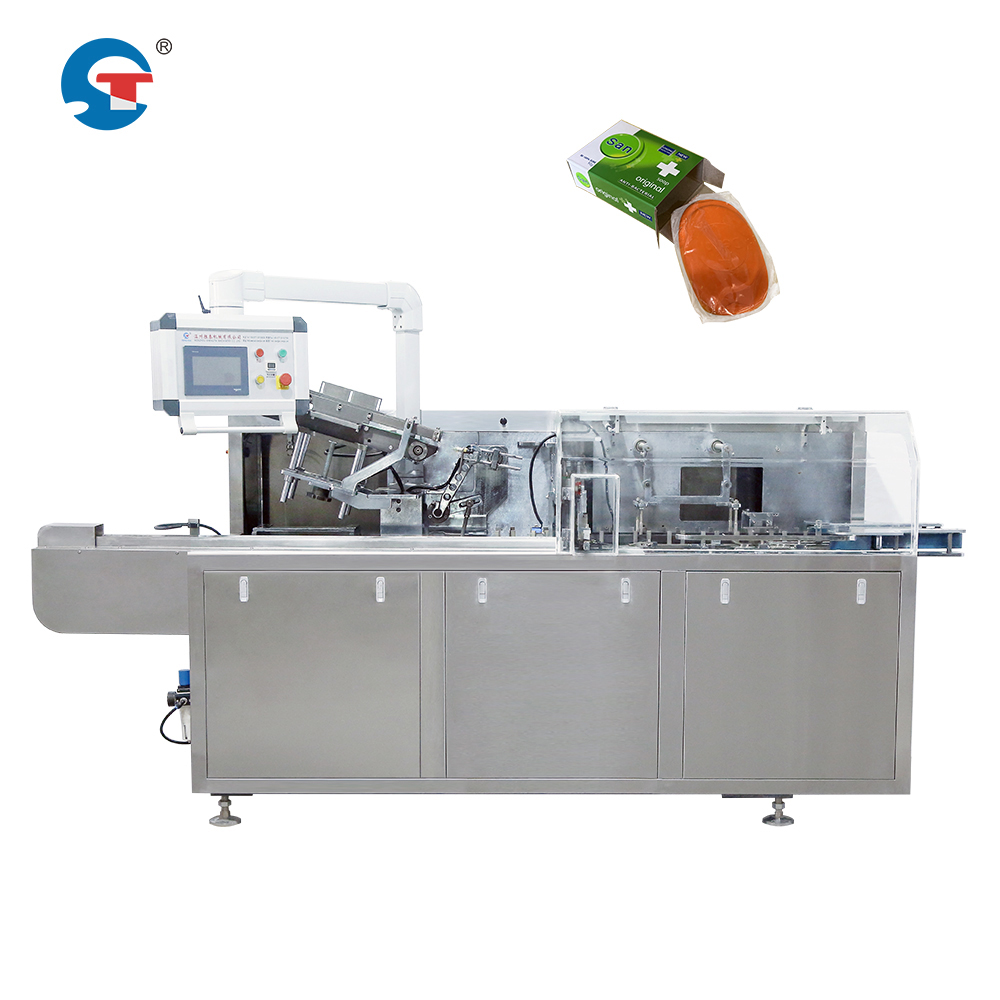
The soap industry produces rectangular bars, round tablets, handmade artisan shapes, and specialty novelty formats. Each product category presents unique packaging demands that traditional equipment cannot reliably satisfy. A carton box filling and sealing machine equipped with intelligent vision systems and adjustable mechanisms can detect product geometry in real time, position items correctly inside cartons, and seal packaging without product damage or misalignment.
Adaptive Positioning and Size Recognition
Vision-Based Product Detection
Advanced soap bar cartoning process automation relies on machine vision technology to identify product dimensions before cartoning begins. The system scans incoming soap bars using high-resolution cameras and compares measurements against programmed specifications stored in the machine's memory. When a different soap size or shape is introduced, the cartoning equipment automatically adjusts gripper positions, conveyor speeds, and placement guides to accommodate the new product profile without manual intervention.
This automatic soap packaging equipment capability eliminates the need for mechanical changeover parts. Traditional cartoners require operator stops, tool adjustments, and test runs whenever product format changes. Vision-equipped systems complete these adjustments digitally within seconds, drastically reducing non-productive changeover time and enabling production runs of smaller batch sizes without economic penalty.
Gripper and Placement Flexibility
The physical architecture of a modern soap cartoning machine incorporates servo-driven grippers and pneumatic positioning arms that respond to machine software commands. When the system detects a rectangular bar, gripper spacing adjusts to secure product dimensions safely. If the next run involves round soaps, the same gripper automatically reconfigures to center and position circular products. This adaptive hardware works seamlessly with carton box filling and sealing machine logic to ensure every product enters its carton in optimal orientation.
Placement accuracy directly impacts downstream operations. Misaligned soap bars can jam closing mechanisms, damage product edges, or prevent proper carton sealing. By automatically adjusting positioning parameters based on real-time product geometry, automatic soap packaging equipment maintains placement precision across shape and size variations, reducing jams and rework costs.
Carton and Packaging Format Compatibility
Multi-Format Carton Handling
Beyond soap dimensions, carton box filling and sealing machine systems must accommodate different carton sizes and designs. A single production facility may package standard rectangular soap cartons, compact travel-size containers, and large multipacks. Advanced soap bar cartoning process automation allows operators to program carton specifications including length, width, height, and closure style into the machine controller. When switching between formats, the system automatically adjusts infeed mechanisms, product orientation guides, and seal pressure parameters.
This flexibility creates substantial operational advantage. Manufacturers can respond quickly to market demand shifts, seasonal product launches, and custom customer orders without investing in dedicated machinery for each format. A single automatic soap packaging equipment platform serves multiple SKUs and market segments, improving capital efficiency and production agility.
Seal Quality and Consistency
When the soap cartoning machine adapts to different product sizes, sealing parameters must adjust proportionally. Smaller cartons require less heat and pressure; larger formats demand more intense sealing force. The carton box filling and sealing machine incorporates temperature control and pressure adjustment mechanisms that respond to detected carton dimensions. Sensors monitor seal temperature in real time, preventing overwrap issues on smaller packages and ensuring reliable closure on oversized cartons.
Consistent seal quality protects product integrity throughout the supply chain. Weak seals on any package size invite moisture penetration and product degradation. The soap bar cartoning process automation ensures every carton, regardless of format, meets industry standards for closure strength and moisture barrier performance.
Production Efficiency and Economic Impact
Reduced Setup Time and Labor Cost
Manual cartoning or traditional single-format machinery requires skilled technicians to adjust equipment when product specifications change. A soap cartoning machine with built-in adaptability reduces this burden dramatically. Operators input new product parameters via intuitive touchscreen interfaces; the system executes all mechanical adjustments autonomously. Changeover time drops from hours to minutes, freeing labor for quality monitoring and maintenance tasks rather than continuous mechanical setup.
This labor efficiency compounds across annual production cycles. Facilities handling seasonal product variations or frequent SKU transitions save thousands in labor hours. The automatic soap packaging equipment also reduces training requirements because fewer manual adjustment skills are necessary for daily operation.
Minimized Product Damage and Waste
Soap bars are fragile products vulnerable to breakage during automated handling. Misalignment, excessive gripper pressure, or incorrect carton fit damages product appearance and structural integrity. A carton box filling and sealing machine with precise size detection and adaptive positioning prevents these issues. The system applies appropriate grip force based on product dimensions, orients items to minimize contact stress, and positions cartons to receive product safely.
Waste reduction directly impacts profit margins. Each damaged unit represents lost revenue and materials. By maintaining consistent placement accuracy across soap shapes and sizes, automatic soap packaging equipment minimizes scrap rates and maximizes yield per production run, substantially improving overall equipment effectiveness and financial performance.
FAQ
Can a soap cartoning machine handle extremely irregular or artistic soap shapes?
Most modern soap bar cartoning process automation systems handle geometric irregularities through flexible gripper positioning and adjustable carton designs. Highly artistic or completely asymmetric shapes may require custom gripper tooling or manual placement for specific SKUs. However, within reasonable variation—such as hand-poured irregularities common in artisan soap production—the machine's vision system and servo controls accommodate these products effectively by adjusting positioning logic without full mechanical replacement.
How quickly can an automatic soap packaging equipment switch between different soap sizes?
Advanced carton box filling and sealing machine systems typically complete format changeovers in five to fifteen minutes. The machine scans stored product profiles, automatically adjusts gripper spacing, conveyor speed, and seal parameters, then performs verification runs. This digital changeover approach is dramatically faster than traditional equipment requiring mechanical part swaps, allowing facilities to run multiple soap sizes in the same shift without significant production interruption or downtime.
What maintenance does a soap cartoning machine require to maintain size flexibility?
Regular maintenance of the soap bar cartoning process automation system focuses on vision sensor cleanliness, servo calibration, and gripper wear inspection. Dust accumulation on camera lenses impairs product detection accuracy; regular cleaning preserves adaptive performance. Servo motors and pneumatic components require periodic lubrication and functional testing. Many modern automatic soap packaging equipment platforms include self-diagnostic routines that alert operators to calibration drift, enabling proactive maintenance before accuracy degrades.