
Ultra-thin sanitary pads represent one of the fastest-growing segments in feminine hygiene products, driven by consumer demand for discretion, comfort, and portability. For manufacturers entering or expanding in this market, a critical question emerges: can a sanitary napkin packing machine manufacturer truly accommodate ultra-thin pad formats without compromising production speed, accuracy, or cost efficiency? The answer is nuanced and depends heavily on machine design, technological capabilities, and the specific adaptation requirements of ultra-thin materials.
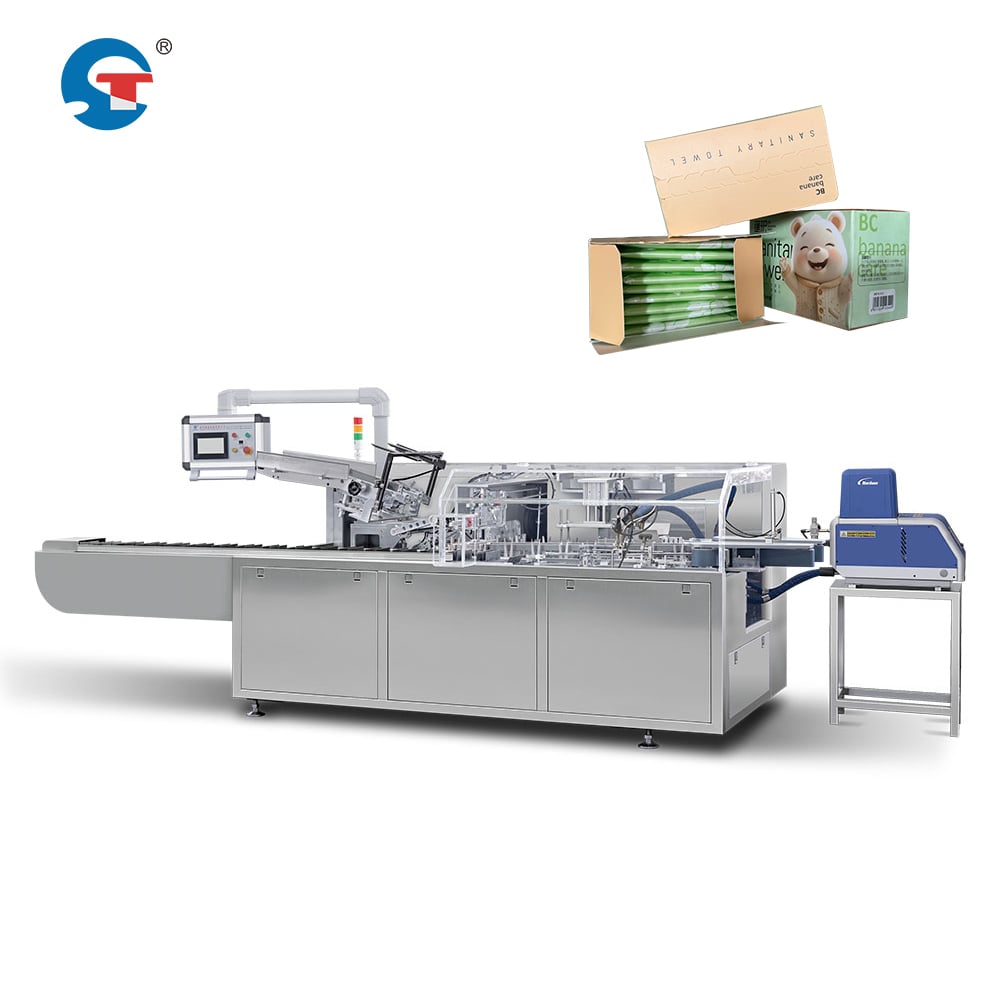
Modern automatic feminine hygiene product packaging equipment has evolved significantly to meet diverse format demands, yet ultra-thin pads present unique challenges in material handling, compression control, and dimensional precision. Understanding whether your equipment supplier can reliably handle these thinner profiles requires examining machine specifications, material compatibility, and operational flexibility in detail.
Understanding Ultra-Thin Pad Specifications and Machine Requirements
Material Thickness and Structural Considerations
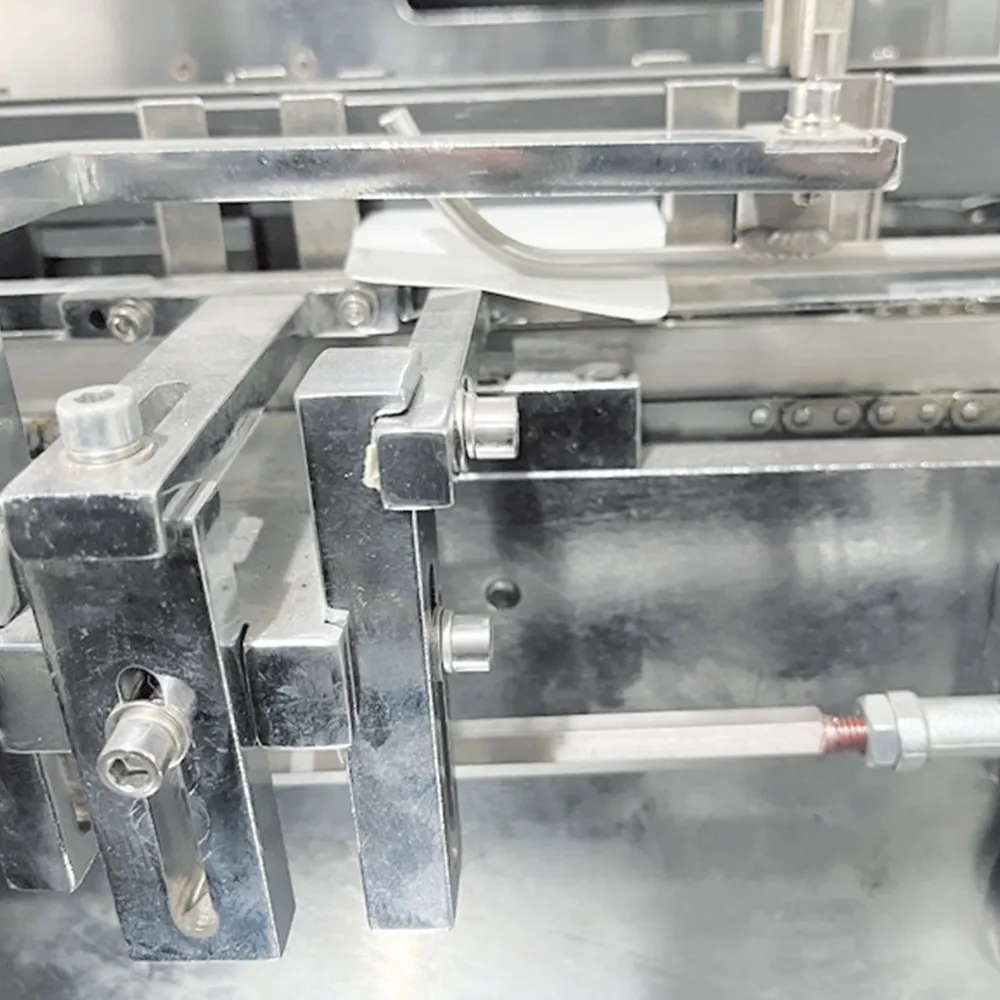
Ultra-thin sanitary pads typically measure between 2.5 and 4 millimeters in finished thickness, compared to conventional pads at 6 to 8 millimeters. This substantial reduction in material volume demands precision from sanitary pad wrapping machine specifications that govern feeding, positioning, and compression phases. Standard packing machinery calibrated for thicker products often struggles with ultra-thin formats because the reduced structural rigidity makes the pads prone to folding, bunching, or misalignment during the feeding mechanism.
A competent sanitary napkin packing machine manufacturer must offer adjustable feed rail heights, variable compression settings, and sensitive product detection systems to accommodate thinner materials without causing product damage. The wrapping film tension control becomes equally critical, as excessive tension can compress or deform ultra-thin pads beyond acceptable tolerances, while insufficient tension results in loose, poorly sealed packages that fail quality checks.
Format Diversity Within Ultra-Thin Categories
Ultra-thin pads span multiple subcategories, including day-use ultra-thin formats, overnight ultra-thin variants, and specialty ultra-thin styles with enhanced absorbency or wing configurations. Each variant presents different handling requirements for automatic feminine hygiene product packaging equipment. Night-time ultra-thin pads often incorporate additional layers despite maintaining an ultra-thin profile, creating weight distribution challenges during packaging. Manufacturers must verify that their high-speed napkin packing machinery supplier can handle format changeover without extensive recalibration or mechanical adjustments.
Technical Capabilities Required for Ultra-Thin Pad Compatibility
Precision Feeding and Positioning Systems
The foundation of successful ultra-thin pad packaging lies in reliable product feeding mechanisms. High-speed napkin packing machinery supplier systems typically use vacuum or air-jet feeding to move individual pads into the wrapping station. Ultra-thin pads demand gentler, more precisely calibrated air pressure and positioning tolerances of ±2 millimeters or tighter to ensure consistent package aesthetics and dimensional accuracy. Advanced sanitary napkin packing machine manufacturers have invested in sensor-based positioning systems that detect the pad's actual thickness and adjust feed speed accordingly, preventing jams and misfeeds that plague less sophisticated equipment.
Intermittent motion systems, which momentarily stop the pad during wrapping, work particularly well for ultra-thin formats because they allow the wrapping film to conform perfectly to the pad's contours without pressure-induced deformation. Continuous-motion machines may struggle unless equipped with compensatory tension control and precise film registration systems.
Wrapping Film Compatibility and Seal Quality
Ultra-thin pads require specialized wrapping films that balance protection with conformability. Films designed for standard-thickness pads often create excessive wrinkles or loose sections when wrapped around ultra-thin products, compromising package appearance and shelf appeal. A sanitary napkin packing machine manufacturer capable of handling ultra-thin formats must offer flexible wrapping specifications, including adjustable sealing temperature profiles, variable seal dwell time, and film width optimization options.
The automatic feminine hygiene product packaging equipment must support rapid changeover between film types without requiring extensive mechanical reconfiguration. This flexibility allows manufacturers to package multiple product lines efficiently, maximizing return on machinery investment while maintaining quality standards across diverse ultra-thin offerings.
Quality Control and Verification Systems
Sophisticated sanitary pad wrapping machine specifications include real-time quality monitoring, such as vision systems that verify pad presence, centering accuracy, and wrapper seal integrity before the finished package exits the machine. For ultra-thin pads, these systems must possess heightened sensitivity because even minor misalignments become visually obvious on the thinner product profile. High-speed napkin packing machinery suppliers increasingly incorporate machine learning algorithms that track packing performance across thousands of cycles, predicting maintenance needs and adjusting operational parameters to optimize ultra-thin pad output without stopping production lines.
Implementation Considerations and Production Efficiency
Production Speed Optimization for Thin Formats
One common concern is whether packaging speed remains commercially viable when transitioning to ultra-thin pads. A quality sanitary napkin packing machine manufacturer maintains competitive throughput even with thinner products by optimizing each process stage. Modern automatic feminine hygiene product packaging equipment can achieve 120 to 160 packages per minute for ultra-thin pads, comparable to conventional pad lines when properly configured. Slower speeds typically indicate inadequate machine specifications or insufficient operator training rather than inherent format limitations.
Changeover time represents another efficiency metric. Equipment that requires 20 to 30 minutes for format transitions loses significant productive hours across multiple daily changeovers. Leading sanitary pad wrapping machine specifications incorporate quick-change modules for feed rails, wrapping film guides, and seal templates, reducing changeover duration to under 10 minutes and improving overall line utilization.
Maintenance and Long-Term Reliability
Ultra-thin pad packaging places marginally higher stress on certain machine components, particularly vacuum systems and seal mechanism precision parts. A competent sanitary napkin packing machine manufacturer provides detailed preventive maintenance protocols specifically addressing ultra-thin format operation, including vacuum line inspection intervals, seal element replacement schedules, and sensor recalibration procedures. Purchasing equipment from suppliers who offer comprehensive technical support and readily available spare parts minimizes unplanned downtime and extends machinery lifecycle.
Long-term reliability hinges on high-speed napkin packing machinery supplier expertise with material science and precision engineering. Companies investing in continuous equipment refinement based on real-world production data consistently outperform competitors offering static machine designs that cannot evolve with market demands.
FAQ
Can all sanitary napkin packing machine manufacturers handle ultra-thin pads without modification?
No, not all manufacturers' equipment accommodates ultra-thin pads equally. Standard packing machinery designed primarily for conventional-thickness products often requires significant mechanical modification, including feed system recalibration, compression adjustment, and film tension tuning. Leading sanitary napkin packing machine manufacturers design their equipment with modular components specifically enabling ultra-thin format support through documented software settings and mechanical adjustment procedures.
What production throughput can be realistically expected with ultra-thin pad packaging?
High-speed napkin packing machinery supplier equipment commonly achieves 100 to 160 packages per minute for ultra-thin pads, depending on pad length, wrapping style, and specific machine model. Actual throughput depends on format complexity, seal configuration, and quality verification requirements. Modern automatic feminine hygiene product packaging equipment maintains speeds comparable to standard-pad lines through optimized feed mechanisms and precision control systems, ensuring commercial viability for ultra-thin product lines.
How do I verify whether my current equipment can package ultra-thin formats effectively?
Contact your sanitary pad wrapping machine specifications provider or original equipment manufacturer to request a technical evaluation document detailing ultra-thin compatibility. Request a trial run with your intended ultra-thin pad specifications to assess real-world performance, examining package aesthetics, seal quality, production speed, and changeover efficiency. This hands-on assessment provides definitive evidence of equipment suitability before committing to ultra-thin product line expansion.