
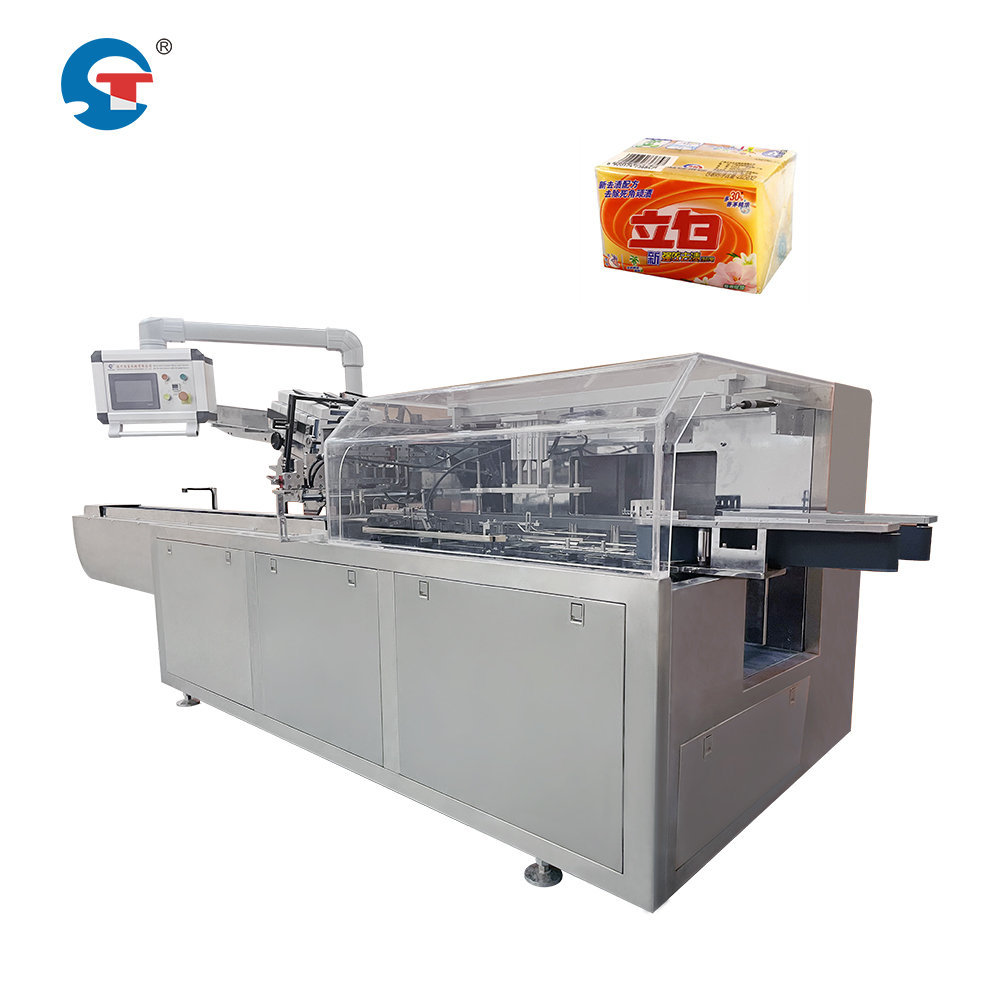
A soap cartoning machine supplier operating in damp plant environments faces unique material challenges that directly impact equipment longevity and operational reliability. Selecting the right stainless steel grade is not merely a specification detail but a critical investment decision that affects maintenance costs, downtime, and total cost of ownership. Understanding which stainless steel grades provide optimal corrosion resistance in moisture-intensive soap production facilities helps procurement teams make informed decisions about automatic soap carton packaging equipment that will withstand years of challenging operational conditions.
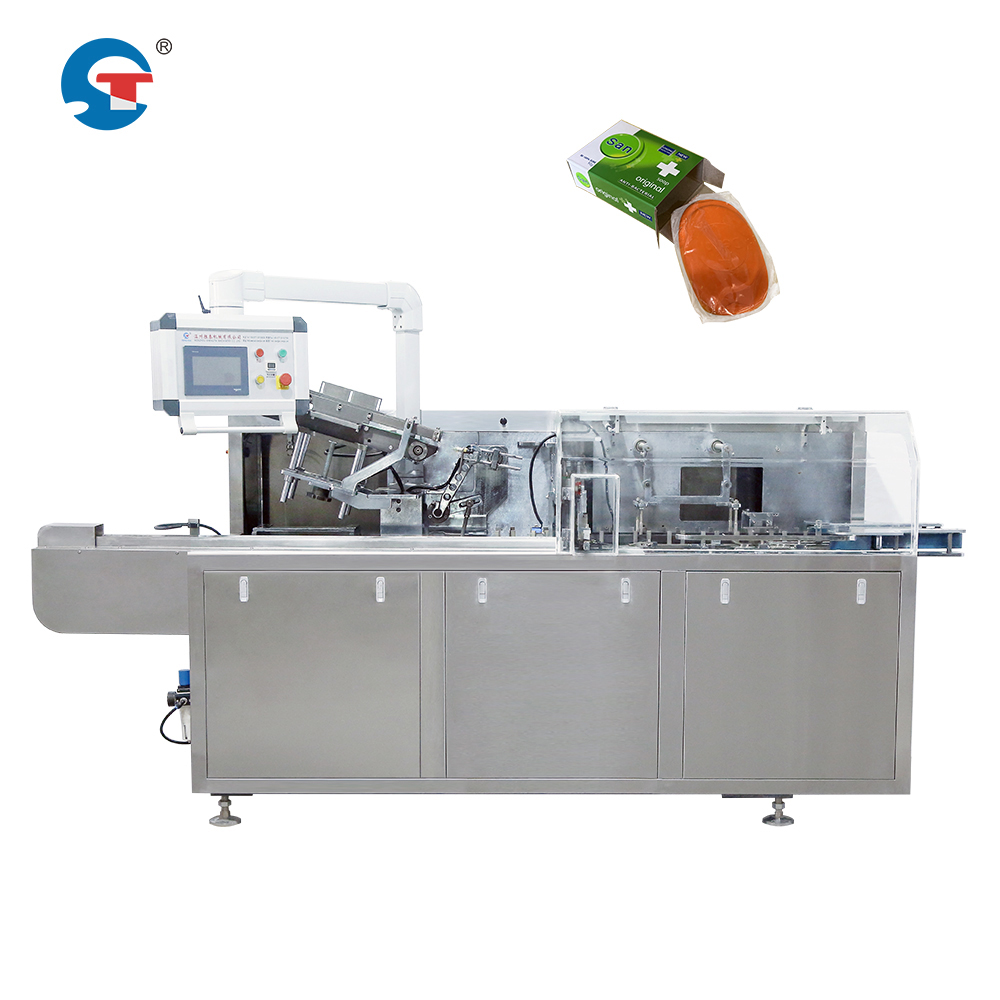
Damp plant environments present continuous exposure to moisture, soap residues, humidity, and sometimes chloride-rich cleaning compounds. These conditions create aggressive corrosion scenarios where standard carbon steel fails rapidly, and even lower-grade stainless materials show premature deterioration. A reliable soap cartoning machine supplier recognizes that material selection determines whether the equipment delivers a five-year lifespan or becomes a chronic maintenance burden within twelve months.
Grade 304 and 316 Stainless Steel in Soap Packaging Operations
Why 304 Stainless Steel Serves as the Industry Baseline
Grade 304 stainless steel remains the most widely specified material by a soap cartoning machine supplier for standard damp plant applications. This austenitic stainless steel offers excellent corrosion resistance through its chromium and nickel composition, providing reliable performance in moisture and general chemical exposure typical of soap production facilities. For automatic soap carton packaging equipment operating in environments without aggressive chloride concentrations or extreme humidity cycles, 304 delivers adequate protection while maintaining cost efficiency. However, the durability profile of 304 changes significantly when facilities employ harsh cleaning protocols or when packing areas experience condensation and spray-wash systems regularly.
When Grade 316 Becomes the Necessary Upgrade
A professional soap bar boxing machine specifications document from experienced suppliers typically recommends upgrading to 316 stainless steel for damp plants with elevated corrosion risk. Grade 316 incorporates molybdenum, which enhances resistance to pitting and crevice corrosion in chloride-containing environments and high-humidity zones. Industrial cartoning machine cost and ROI calculations often show that investing in 316 materials pays dividends by reducing maintenance interventions, extending service life beyond seven years, and minimizing unexpected breakdowns during critical production runs. The small upfront material cost difference between 304 and 316 typically represents only 5–8% of the total equipment investment but can prevent catastrophic corrosion that forces early equipment replacement.
Corrosion Resistance Performance and Material Specifications
Pitting Resistance Equivalent Number (PREN) and Damp Environment Selection
The Pitting Resistance Equivalent Number measures a stainless steel's ability to withstand localized corrosion in harsh conditions. Grade 304 achieves a PREN of approximately 18–25, while Grade 316 reaches 24–35, depending on exact alloy composition. For a soap cartoning machine supplier designing equipment for damp plants, this metric translates directly into practical durability expectations. Facilities with high chloride exposure, frequent washdown cycles, or saltwater-adjacent locations should specify equipment manufactured from materials with PREN values exceeding 25. Automatic soap carton packaging equipment exposed to both moisture and cleaning agents containing chlorides demands PREN ratings that guarantee resistance to pitting within the expected service interval.
Surface Finish and Passivation Impact on Longevity
Material grade alone does not ensure corrosion resistance; surface finish quality directly influences real-world performance. A soap bar boxing machine specifications sheet should explicitly detail the passivation process applied to all stainless steel contact surfaces. Mechanical polishing followed by passivation creates an invisible chromium oxide layer that protects the underlying steel from moisture penetration. When a soap cartoning machine supplier sources equipment that has undergone proper electropolishing and passivation per ASTM A967 standards, the stainless steel surface resists initiation of corrosion pits even in aggressive damp environments. Conversely, equipment with inadequate surface treatment shows rust blooming and surface deterioration within months, regardless of the base stainless steel grade selected.
Industrial Cartoning Machine Cost and ROI Analysis
Total Cost of Ownership Implications of Material Selection
Industrial cartoning machine cost and ROI decisions hinge on comparing upfront material expenses against lifetime maintenance and replacement costs. Choosing Grade 304 stainless steel reduces initial purchase price by approximately 6–10% compared to 316 alternatives, but this savings evaporates if the equipment requires major repairs or replacement within five years. Facility managers conducting proper ROI analysis recognize that a soap cartoning machine supplier offering 316-based construction or duplex stainless steel options may command higher initial quotes but delivers superior cost performance over ten-year equipment lifecycles. Maintenance intervals extend, corrosion-related downtime decreases, and production efficiency improves when equipment material selection matches the actual damp plant environment rather than pursuing minimum purchase cost.
Operational Downtime and Hidden Costs in Material Under-Specification
When soap bar boxing machine specifications call for inadequate stainless steel grades, production facilities experience accelerated surface degradation, increased cleaning frequency, and unexpected maintenance events. Rust staining, pitting, and metal flakes contaminating packaged soap create product quality issues and regulatory compliance risks. A soap cartoning machine supplier that under-specifies materials to compete on price creates hidden costs through customer support burden, warranty claims, and reputation damage. Conversely, material over-specification in stable, lower-moisture environments wastes capital without proportional durability gains. The optimal automatic soap carton packaging equipment design matches material grade precisely to actual environmental conditions, balancing corrosion protection against unnecessary expense.
Duplex and Super-Duplex Stainless Steels for Extreme Damp Conditions
In exceptional cases where damp plants combine extremely high moisture, caustic cleaning compounds, and temperature cycling, a soap cartoning machine supplier may recommend duplex or super-duplex stainless steels. Duplex grades like 2205 and 2507 offer PREN values of 35–42, approximately double that of Grade 316, providing extraordinary resistance to pitting and crevice corrosion. Industrial cartoning machine cost and ROI models for extreme environments justify duplex material selection when facility downtime expenses and product loss risks exceed the material premium. Soap bar boxing machine specifications developed for super-harsh conditions define duplex stainless steel components for high-stress areas like product contact surfaces, while other structural elements may retain 316 stainless construction. This hybrid approach delivers targeted protection where corrosion risk is highest while managing overall equipment cost.
FAQ
What stainless steel grade should be standard in all damp plant soap cartoning equipment?
Grade 316 stainless steel represents the recommended baseline for damp plant environments, balancing corrosion resistance with reasonable cost. While Grade 304 may suffice in lower-humidity zones without aggressive cleaning chemicals, 316's molybdenum content provides superior pitting resistance and longer service life in moisture-intensive soap production facilities. A soap cartoning machine supplier should default to 316 unless facility conditions explicitly permit lower-grade materials.
How do surface finish and passivation affect stainless steel corrosion performance?
Surface finish determines whether the stainless steel grade achieves its theoretical corrosion resistance potential. Proper electropolishing and passivation per ASTM standards create a protective chromium oxide layer that prevents moisture penetration and corrosion initiation. When a soap cartoning machine supplier sourcing automatic soap carton packaging equipment confirms passivation compliance, the stainless steel surface maintains integrity in damp environments for extended periods, even under aggressive cleaning protocols.
When does industrial cartoning machine cost justify upgrading to duplex or super-duplex stainless steel?
Duplex stainless steel upgrades become cost-justified when damp plants combine extreme moisture, caustic chemicals, high-temperature cycling, or when downtime consequences exceed material premium costs. Industrial cartoning machine cost and ROI analysis should compare the price difference against expected maintenance savings and extended equipment life. Soap bar boxing machine specifications for super-harsh environments often designate duplex materials for high-stress contact surfaces while using 316 for structural components, optimizing protection and managing total investment.