
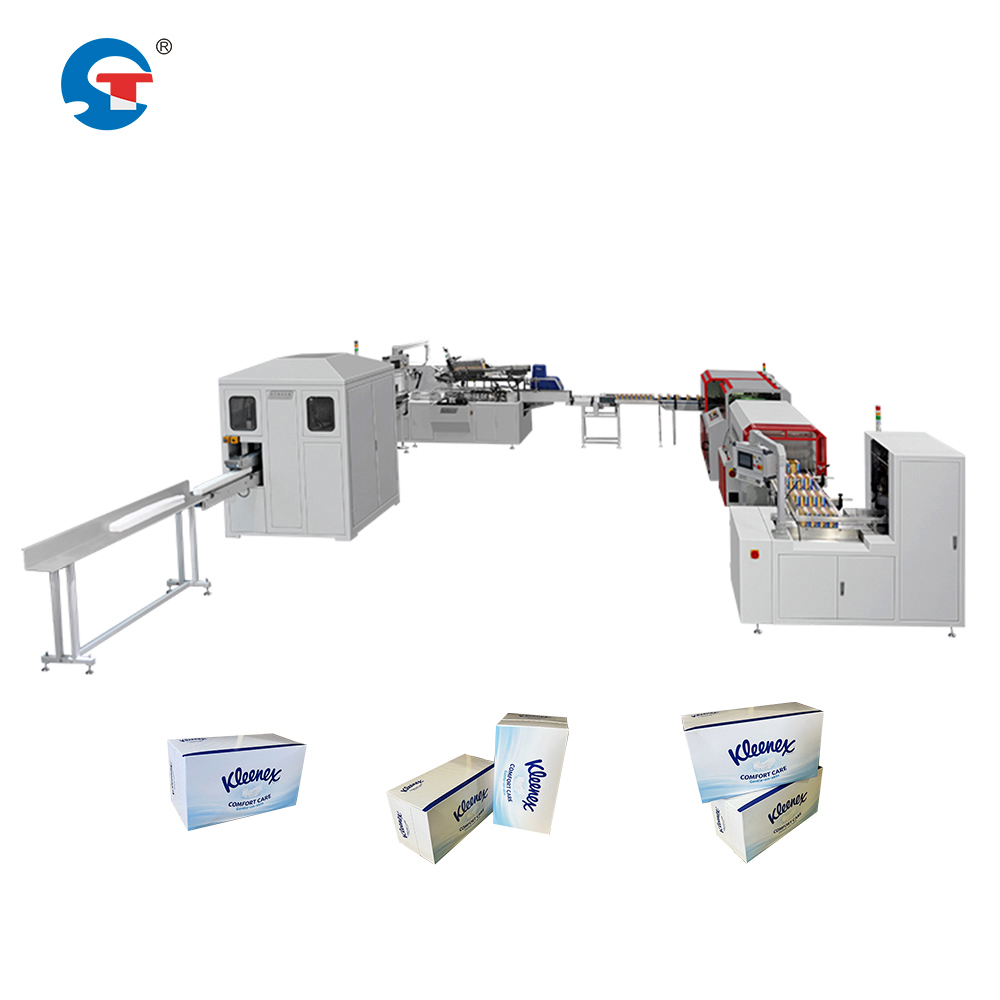
The modern tissue industry demands equipment that can operate reliably around the clock while maintaining consistent quality and maximizing output. A facial tissue production line stands out as the ideal solution for manufacturers seeking to establish continuous production capabilities. These systems integrate advanced technology with robust mechanical design to deliver the performance required in today's competitive market.
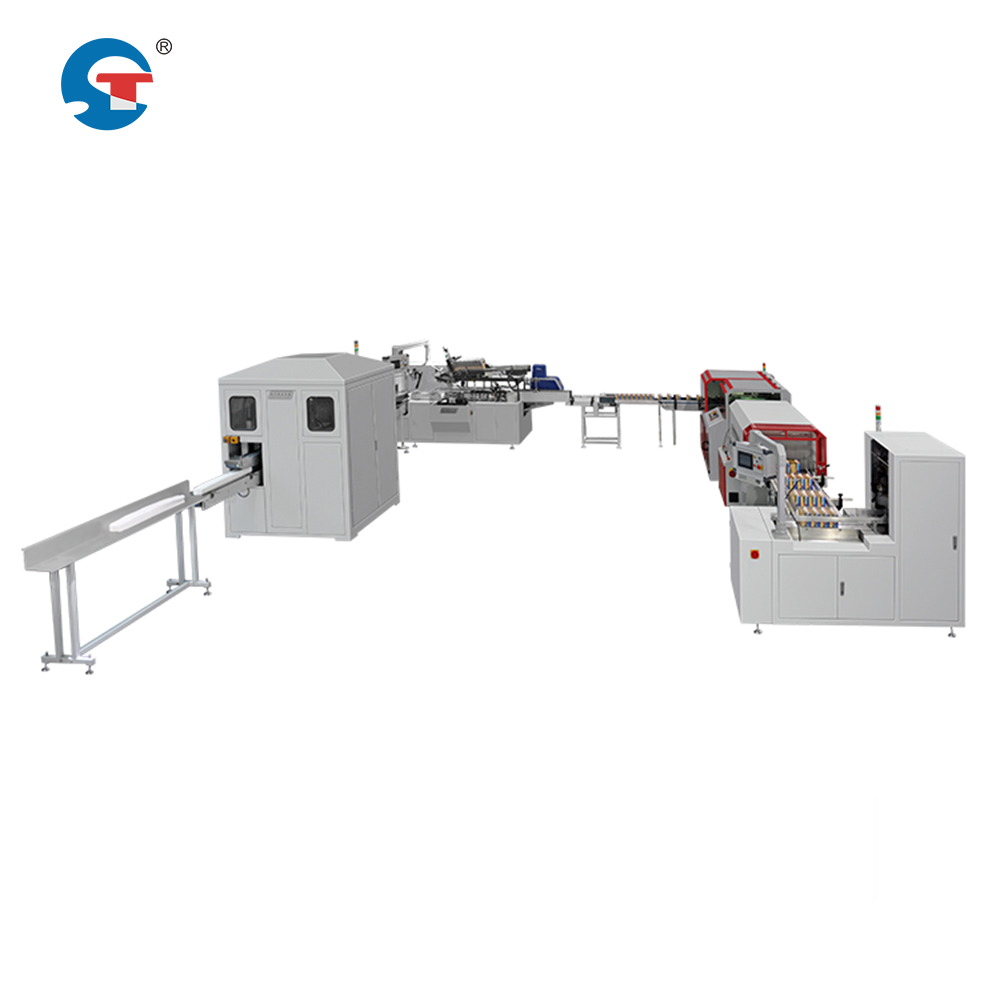
Continuous production in the tissue sector requires more than basic machinery; it demands precision, speed, and adaptability across the entire workflow. A facial tissue production line engineered for continuous operation combines tissue paper machine specifications with converting machinery automation to transform raw materials into finished consumer products without interruption. Understanding what makes these systems suitable for non-stop manufacturing helps producers make informed decisions about their facility investments and production strategies.
Continuous Operation and Reliability Design
Engineering for 24/7 Manufacturing
Continuous production requires equipment built with durability and uptime as core design principles. The facial tissue production line incorporates heavy-duty components, precision bearings, and reinforced frames that withstand extended operational cycles without fatigue failure. Tissue paper machine specifications emphasize robust construction, redundant systems for critical functions, and modular designs that permit rapid maintenance without halting the entire line. Manufacturers benefit from predictable performance, reduced downtime, and consistent output quality across all production shifts.
Automation Integration for Seamless Flow
Modern facial tissue manufacturing equipment cost justifies itself through tissue converting machinery automation that eliminates manual bottlenecks. Automated feeding systems, synchronized cutting and folding units, and continuous packaging workflows operate in perfect harmony throughout the production cycle. This integration reduces operator dependency, minimizes human error, and creates predictable production rhythms that support continuous operations. The system monitors each stage in real time, adjusting feed rates and tension automatically to maintain optimal conditions regardless of material variations or environmental fluctuations.
Production Efficiency and Output Optimization
Speed and Throughput Capabilities
A facial tissue production line designed for continuous manufacturing delivers impressive speed metrics that directly impact facility profitability. Modern tissue paper machine specifications support web speeds exceeding industry standards while maintaining superior softness and strength characteristics. The converting machinery automation handles folding, embossing, and packaging operations at matching velocities, eliminating wait states between processes. Manufacturers can achieve daily output targets that smaller or intermittent systems cannot match, enabling them to serve larger markets and negotiate better supply contracts with retail partners.
Quality Consistency Across Extended Runs
Continuous operation without quality degradation separates premium facial tissue production line systems from basic equipment. Integrated quality sensors throughout the system monitor tissue density, moisture content, and dimensional accuracy at every stage. The tissue converting machinery automation adjusts parameters dynamically to correct minor deviations before they compound into batches of substandard product. This real-time feedback ensures that finished goods meet specifications consistently whether production runs for eight hours or eighty-four hours consecutively, protecting brand reputation and reducing waste.
Cost Efficiency and Return on Investment
Facial Tissue Manufacturing Equipment Cost Considerations
Initial investment in a facial tissue production line represents a significant capital commitment, yet the continuous operation model accelerates return on investment through superior productivity metrics. Higher output per machine hour translates directly into lower per-unit manufacturing costs, improving profit margins on every package sold. Facial tissue manufacturing equipment cost analysis must account for the extended lifespan of properly maintained continuous-duty systems and the financing advantages available for equipment explicitly designed for industrial-scale production. Manufacturers typically recover their equipment investment faster with continuous systems than with batch-oriented alternatives.
Labor and Operating Cost Reduction
The tissue converting machinery automation embedded in modern production lines substantially reduces staffing requirements compared to semi-automatic systems. Fewer operators manage larger output volumes through centralized control interfaces and remote monitoring capabilities. Continuous operation spreads fixed labor costs across higher unit volumes, further improving per-package economics. Energy efficiency improvements in newer tissue paper machine specifications also reduce utility consumption per unit of output, contributing meaningfully to operating cost reduction over the equipment's productive life.
Flexibility and Market Responsiveness
Adaptability to Product Variation
Successful tissue manufacturers must respond quickly to changing market demands and retail partner requirements. A facial tissue production line built for continuous operation includes flexible specifications that accommodate different sheet sizes, ply counts, and packaging formats without requiring extensive changeover procedures. Tissue converting machinery automation features adjustable parameters for cutting length, perforation patterns, and fold sequences, enabling rapid transitions between product specifications. This flexibility allows manufacturers to maintain continuous operation while serving diverse customer needs simultaneously or sequentially.
Scaling Production Without Additional Equipment
Continuous operation inherently provides production scaling benefits that discrete batch systems cannot match. Extended run times naturally increase total output without requiring additional machines or significant capital investment. A facial tissue production line operating continuously at standard speed generates more total product than the same equipment running only during peak demand periods. As market opportunities expand, manufacturers can capture additional revenue through enhanced utilization of existing assets rather than purchasing duplicate equipment.
Technical Integration and System Performance
Synchronization of Production Stages
The superiority of a facial tissue production line for continuous manufacturing stems from the complete integration of tissue paper machine specifications with downstream converting operations. Each process stage connects physically and electronically to create a unified system where web tension, feed rate, and timing remain perfectly synchronized. The tissue converting machinery automation ensures that parent roll unwind speeds match tissue converting speeds, which in turn align with packaging line throughput. This mechanical and electronic coordination prevents backups, defects, and inefficiencies that plague loosely coupled production systems.
Environmental Control and Product Protection
Continuous production environments benefit from integrated climate control and product handling systems that protect tissue quality throughout the manufacturing process. Modern facial tissue production line equipment features enclosed processing zones that maintain consistent humidity and temperature, preventing moisture absorption or loss that could compromise softness or strength. Tissue paper machine specifications include precision web guides and rollers that minimize product damage during extended runs. The tissue converting machinery automation includes gentle handling features for finished stacks, protecting packaging integrity until distribution.
FAQ
What specific tissue paper machine specifications enable continuous production capability?
Continuous-duty tissue machines feature reinforced frames rated for extended thermal cycling, precision steam distribution systems that maintain consistent drying, and sealed bearing assemblies designed for thousands of operating hours between maintenance intervals. Tissue paper machine specifications emphasize rapid temperature response, minimal deflection under load, and automatic compensation for material property variations. Advanced sensor integration throughout enables real-time adjustment of pressure, moisture, and tension parameters that would be impossible in older batch equipment, making continuous operation both feasible and profitable.
How does facial tissue manufacturing equipment cost justify continuous production investment?
Facial tissue manufacturing equipment cost recovery depends on maximizing utilization of installed capacity. Continuous operation generates significantly more output than intermittent scheduling, lowering the per-unit cost and accelerating payback periods. Additionally, modern tissue converting machinery automation reduces labor requirements that would otherwise consume profits from increased volume. Manufacturers benefit from volume discounts on raw materials, financing cost reduction through faster ROI, and competitive pricing advantages that higher efficiency enables, making continuous-duty systems economically compelling for market-focused producers.
Can existing tissue converting machinery automation systems be retrofitted for continuous operation?
Many older tissue converting machinery automation systems can be partially upgraded with modern controls and sensors, yet fundamental limitations in mechanical design may prevent true continuous duty capability. A facial tissue production line specifically engineered for continuous operation includes bearing types, material selections, and structural features that older equipment simply cannot provide through retrofit alone. While targeted improvements can enhance uptime and efficiency, manufacturers seeking reliable 24/7 production typically require new equipment explicitly designed for continuous duty rather than attempting to convert systems built for batch or semi-continuous use.