
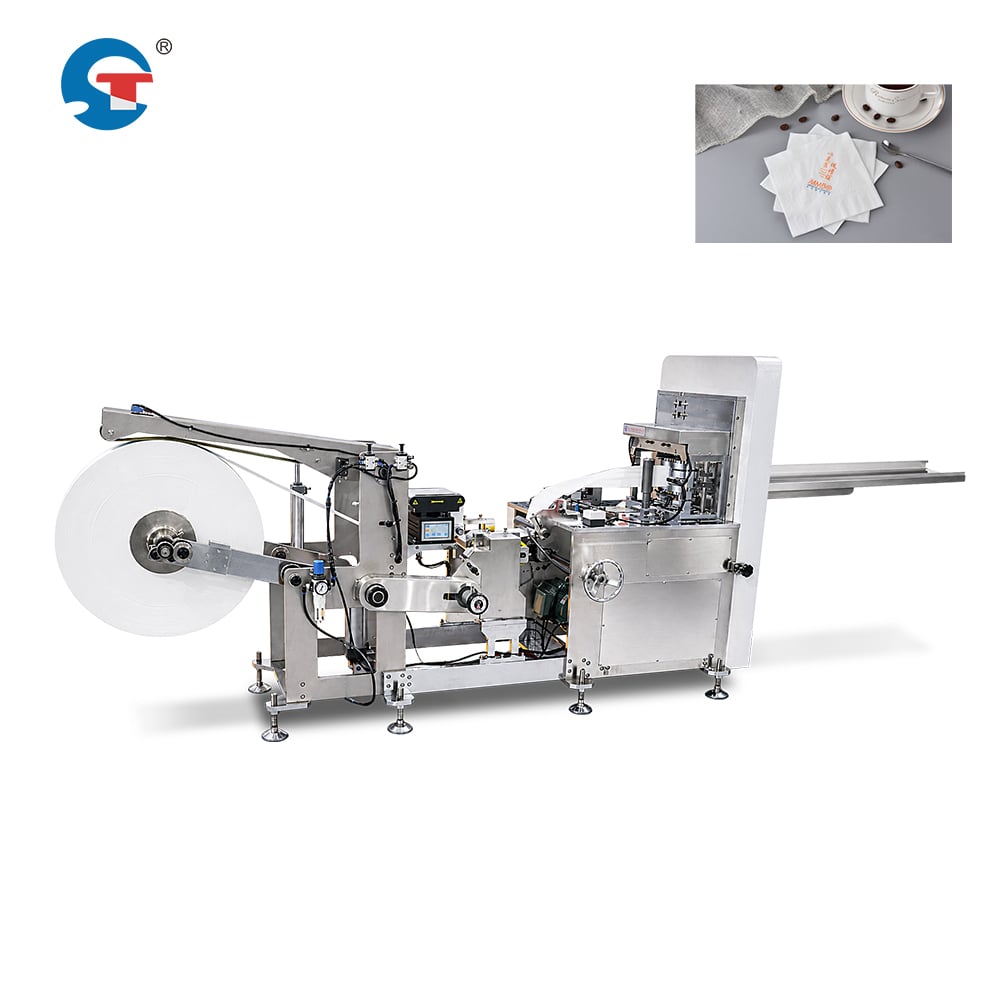
Selecting the right supplier for your food service operation requires more than just finding the lowest price. A global napkin folding machine manufacturer operates on an entirely different scale than regional suppliers, with implications that extend far beyond initial equipment cost. Understanding these distinctions helps operators make informed decisions that impact long-term operational efficiency, maintenance reliability, and competitive advantage in the restaurant and hospitality industry.
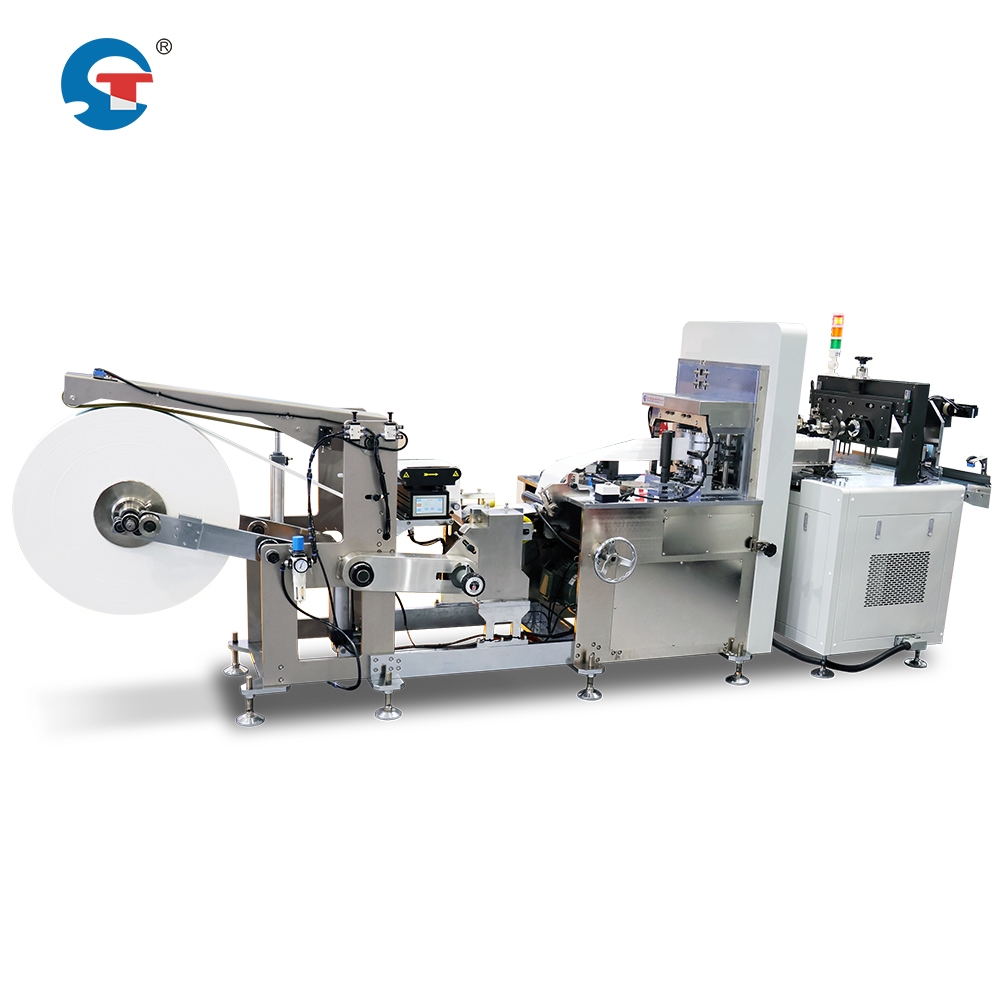
The restaurant industry demands consistent performance from every piece of equipment behind the scenes. Napkin folding machines represent a small but essential component of food service operations, directly affecting table setup speed, labor costs, and guest experience. When evaluating automatic napkin folding solutions for restaurants, the choice between a global manufacturer and regional supplier carries substantial weight in operational outcomes.
Scale, Research, and Product Development Advantages
Investment in Innovation and Engineering
Global napkin folding machine manufacturers invest millions annually in research, development, and engineering improvements. These companies operate dedicated testing facilities, employ specialized engineers, and conduct extensive field trials across multiple markets and climates. Regional suppliers typically lack this infrastructure, meaning their product lines remain relatively static and reflect legacy designs rather than cutting-edge advancement.
The industrial napkin folding equipment specifications offered by global manufacturers reflect years of refinement based on feedback from thousands of installations worldwide. Their machines incorporate advanced sensor technology, energy-efficient motors, and precision folding mechanisms that minimize jam rates and maximize uptime. Regional manufacturers often simplify designs to reduce production costs, resulting in equipment that performs adequately under ideal conditions but struggles with heavy demand or variable napkin quality.
Supply Chain and Material Quality Control
Global manufacturers maintain relationships with premium component suppliers across multiple continents, ensuring access to the highest-grade motors, bearings, controllers, and mechanical parts. They implement rigorous quality control protocols at every production stage, using statistical process control and automated inspection systems. This commitment to material quality directly translates into longer equipment lifespan, fewer breakdowns, and reduced downtime in restaurant operations.
Regional suppliers often source materials from limited local vendors, which can lead to inconsistent component quality and higher defect rates. When commercial napkin folding machine cost and pricing pressures dominate purchasing decisions at regional manufacturers, material specifications may be compromised, resulting in equipment that fails prematurely or requires frequent repairs that disrupt service.
Service Infrastructure and Technical Support Networks
Global Support and Rapid Parts Availability
A global napkin folding machine manufacturer maintains service centers, parts warehouses, and technical support teams across major markets. If equipment requires repair or replacement parts, customers can access support within hours rather than days. This distributed infrastructure ensures that automatic napkin folding solutions for restaurants remain operational, minimizing lost productivity during peak service periods.
Regional suppliers typically operate limited service networks, often centered around a single facility. If equipment breaks down, customers may face extended wait times for technician visits or parts shipment. For restaurants operating on thin margins, even a single day of equipment downtime can result in significant labor inefficiency and reduced guest satisfaction.
Documentation, Training, and Expertise Transfer
Global manufacturers provide comprehensive operator manuals, maintenance schedules, and troubleshooting guides in multiple languages. They offer formal training programs for restaurant staff and facility managers, ensuring consistent operation and basic maintenance capability. This documentation and training approach reduces dependency on outside service calls and empowers customers to resolve minor issues independently.
Regional suppliers often provide minimal documentation and informal training, assuming staff will learn through trial and error. This approach may work for simple equipment but can lead to operational inefficiencies and premature wear on industrial napkin folding equipment specifications that customers don't fully understand.
Cost, Warranty, and Long-Term Value Proposition
Understanding Commercial Napkin Folding Machine Cost and Pricing
Commercial napkin folding machine cost and pricing varies significantly between global manufacturers and regional suppliers. While regional suppliers often quote lower upfront prices, this apparent savings frequently evaporates when considering total cost of ownership. Global manufacturers typically command premium pricing because their equipment delivers superior reliability, lower maintenance costs, longer functional lifespan, and faster service response times.
A restaurant purchasing from a regional supplier may save five to fifteen percent on initial equipment cost but incur substantially higher maintenance and repair expenses within three to five years. Global manufacturers structure pricing to reflect the full value proposition, including extended warranties, spare parts availability, and technical support access. For operators evaluating automatic napkin folding solutions for restaurants, this distinction fundamentally affects profitability and operational continuity.
Warranty Coverage and Accountability
Global napkin folding machine manufacturers typically offer comprehensive warranties backed by established insurance mechanisms and financial reserves. These warranties are enforceable across territories and honored by certified service centers worldwide. Customers enjoy clear recourse if equipment fails, with repair or replacement obligations clearly defined and reliably executed.
Regional suppliers often provide limited warranties with unclear coverage terms and depend on local service capacity that may be unstable. If a regional manufacturer faces financial difficulties or market consolidation, warranty obligations may be abandoned, leaving customers without recourse. This risk consideration should factor heavily into purchasing decisions for mission-critical equipment like napkin folding machines in high-volume restaurant settings.
FAQ
What are the main industrial napkin folding equipment specifications that distinguish global manufacturers?
Global manufacturers offer advanced specifications including variable speed control, multiple fold pattern options, automated jam detection, energy-efficient motors, and modular design for easy maintenance. Industrial napkin folding equipment specifications from global suppliers typically include higher precision tolerances, faster fold rates, and compatibility with various napkin sizes and materials. Regional suppliers usually offer basic single-fold capability with fixed speed settings and limited customization options that restrict operational flexibility.
How should restaurants compare commercial napkin folding machine cost and pricing between suppliers?
Beyond the initial purchase price, restaurants should evaluate commercial napkin folding machine cost and pricing by analyzing total cost of ownership over five to seven years, including maintenance, repairs, spare parts, and downtime expenses. Request detailed warranty coverage terms, service response time commitments, and parts availability guarantees from each supplier. Calculate the effective hourly cost of equipment operation, factoring in reliability rates and average annual maintenance expenses. This comprehensive approach reveals why higher-priced global manufacturer equipment often delivers superior financial performance compared to lower-cost regional alternatives.
What makes automatic napkin folding solutions for restaurants more reliable from global manufacturers?
Automatic napkin folding solutions for restaurants benefit from global manufacturers' commitment to rigorous quality control, premium component selection, extensive field testing, and continuous product refinement based on performance data from thousands of installations. Global manufacturers invest in predictive maintenance technologies and remote monitoring systems that identify potential failures before they occur. Regional suppliers lack these advanced capabilities, relying instead on reactive maintenance approaches that often result in unexpected downtime during busy service periods.
Table of Contents
- Scale, Research, and Product Development Advantages
- Service Infrastructure and Technical Support Networks
- Cost, Warranty, and Long-Term Value Proposition
-
FAQ
- What are the main industrial napkin folding equipment specifications that distinguish global manufacturers?
- How should restaurants compare commercial napkin folding machine cost and pricing between suppliers?
- What makes automatic napkin folding solutions for restaurants more reliable from global manufacturers?