
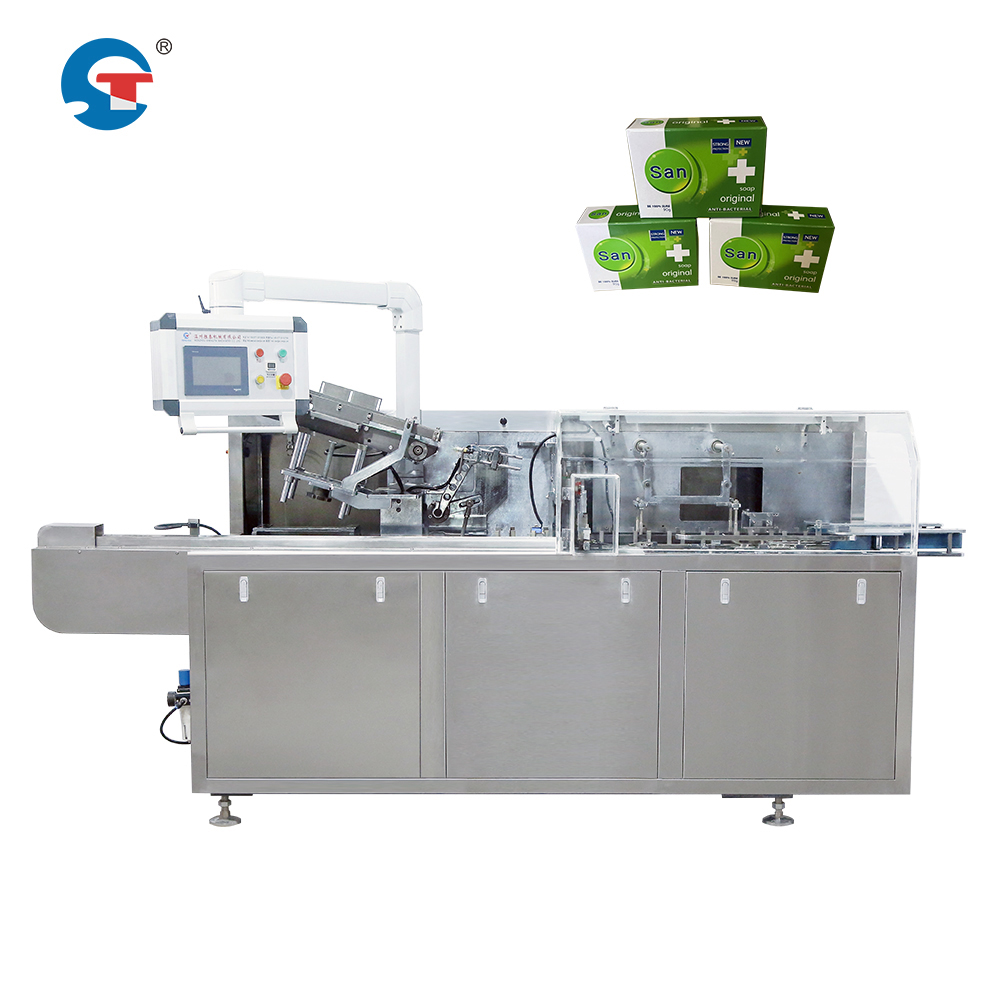
Bar bruising represents one of the most costly quality challenges in soap manufacturing, occurring during the feed stage when bars transition into the cartoning system. A specialized soap cartoning machine supplier focuses on engineering solutions that protect product integrity from the moment soap bars enter the automatic soap carton packing machine until they reach the final carton. This protection directly impacts finished goods acceptance rates, reduces waste, and preserves brand reputation in competitive personal care markets.
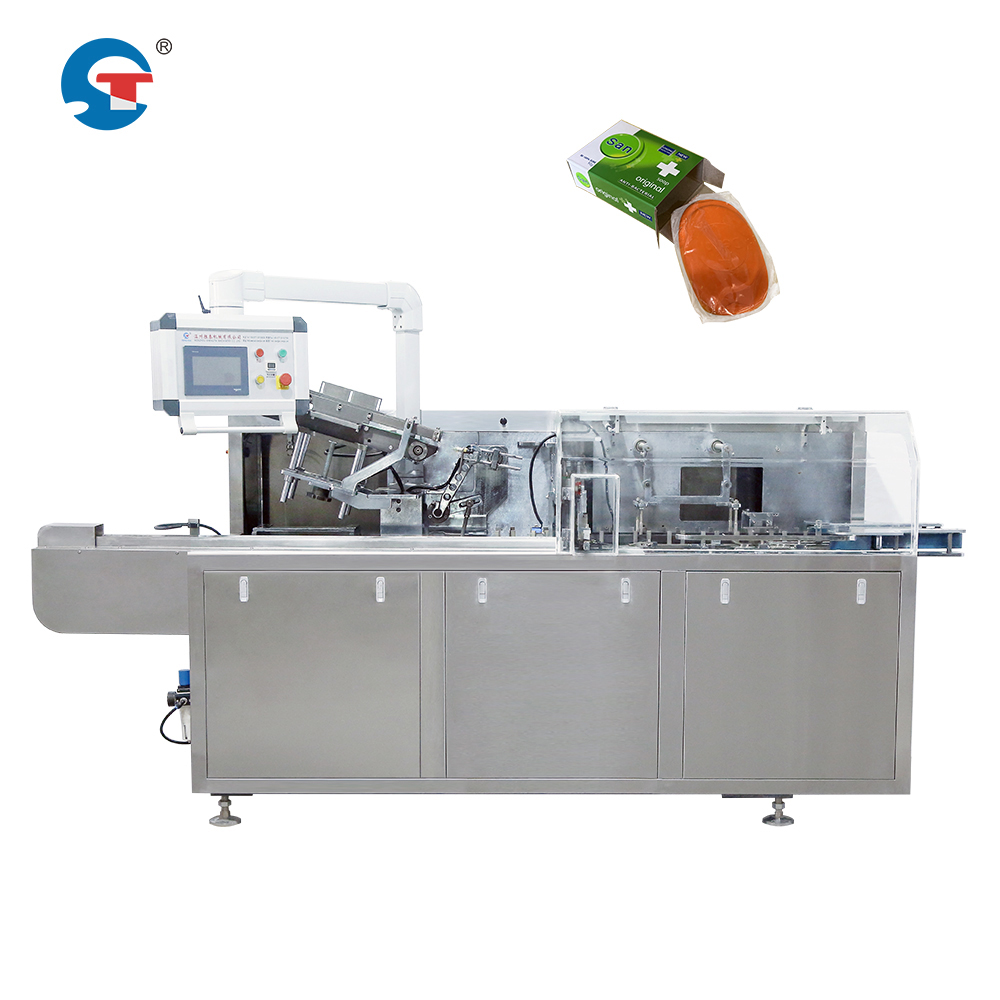
Understanding how bruising occurs and how industrial soap packaging machinery solutions prevent it requires examining the critical transition points within the feed mechanism. Soap bars are vulnerable products prone to surface damage, compression marks, and edge deterioration when subjected to improper handling, excessive force, or rough material contact. A qualified soap bar cartoning equipment specifications provider designs machines that use precision control, gentle material contact surfaces, and optimized feed timing to eliminate these damage vectors entirely.
Feed Mechanism Design and Gentle Material Handling
Soft Contact Surfaces and Buffer Systems
Industrial soap packaging machinery solutions employ specialized feed mechanisms that prioritize soft material interaction. The automatic soap carton packing machine uses elastomeric or composite guide rails, cushioned pusher plates, and padded contact points throughout the feed pathway. These surfaces distribute force evenly across the soap bar rather than concentrating pressure on vulnerable edges and corners. Manufacturers working with a soap cartoning machine supplier benefit from systems that replace traditional metal-to-product contact with engineered low-impact materials that absorb shock loads and prevent surface compression marks that characterize bruising damage.
Variable Speed Indexing and Feed Timing Optimization
Bruising frequently occurs when bars move too quickly through the feed stage or when jerky acceleration causes sudden impact forces. Advanced automatic soap carton packing machine technology incorporates servo-driven indexing that accelerates and decelerates bars smoothly, eliminating the sudden jolts that damage product surfaces. A competent soap bar cartoning equipment specifications standard includes programmable feed profiles that match the physical characteristics of specific soap formulations, bar weights, and dimensional tolerances. This precision timing prevents bars from colliding with downstream equipment components and ensures that spacing between bars remains consistent, preventing product-to-product contact bruising.
Advanced Detection and Feed Rejection Systems
Vision-Based Quality Monitoring During Feed
Leading soap cartoning machine supplier solutions integrate high-speed camera systems and image processing technology that continuously monitor bars as they enter the feed stage. Industrial soap packaging machinery solutions equipped with machine vision detect soft bruising, hairline cracks, and surface irregularities before bars reach the main packaging line. When defects are identified, the automatic soap carton packing machine automatically diverts compromised bars to a reject stream, preventing damaged products from entering finished goods inventory. This real-time detection capability dramatically reduces the yield loss that results from attempting to package already-bruised bars.
Pressure Sensing and Force Limitation
Sophisticated soap bar cartoning equipment specifications include integrated pressure sensors and load cells that monitor forces applied throughout the feed pathway. These sensors measure push force, guide rail contact pressure, and edge engagement forces in real time. If forces exceed programmed thresholds designed to protect the specific soap formulation being packaged, the machine automatically reduces pusher speed, adjusts guide rail tension, or engages safety protocols that prevent product advancement. This adaptive force control represents a core protection mechanism that a dedicated soap cartoning machine supplier builds into every system.
Integration with Downstream Operations and System Coordination
Synchronized Carton Placement and Orientation Management
Bruising often occurs not during feed alone but at the transition point where bars enter the carton itself. Industrial soap packaging machinery solutions coordinate the timing of carton positioning with bar advancement to ensure that bars settle gently into cartons rather than dropping or impacting carton edges. A sophisticated automatic soap carton packing machine aligns the carton opening precisely with the incoming bar trajectory, minimizing trajectory angle and ensuring nearly frictionless transition. This synchronization prevents the edge impact bruising that occurs when bars enter misaligned cartons or when carton position changes suddenly during the insertion moment.
Ergonomic Integration with Preceding Line Equipment
A comprehensive soap cartoning machine supplier perspective recognizes that bruising prevention extends backward into the supply line feeding the cartoning machine. Soap bar cartoning equipment specifications should specify smooth handoffs from product buffers, cooling conveyors, or incoming packaging lines. The automatic soap carton packing machine incorporates transition guides, speed-matching conveyor sections, and cushioned transfer points that harmonize product movement across multiple pieces of equipment. This integrated approach prevents the speed mismatches and directional changes that cause bars to tumble, bounce, or experience sudden deceleration forces that result in visible surface damage.
FAQ
What specific materials does a soap cartoning machine supplier use in feed contact surfaces?
Leading soap bar cartoning equipment specifications incorporate food-grade composite materials, reinforced elastomers, and acetal polymers in all product-contact surfaces. These materials are selected for low friction, high durability, and gentle surface interaction. Industrial soap packaging machinery solutions specify materials that do not absorb moisture, resist degradation from soap residue and packaging compounds, and maintain consistent properties across thousands of operating cycles. The specific material selection depends on soap bar hardness, surface finish, and production volume requirements established during machine customization.
How does an automatic soap carton packing machine detect bruising that occurs during earlier production stages?
Advanced automatic soap carton packing machine systems include machine vision inspection during the feed stage that captures high-resolution images of each bar as it enters the cartoning system. Defects visible on the bar surface are detected through image analysis algorithms that identify bruising patterns, pressure marks, and surface irregularities. When pre-existing damage is detected, the soap cartoning machine supplier solutions automatically divert bars to reject streams before they reach the carton filling stage. This quality gate prevents damaged products from reaching customers and provides feedback data to optimize earlier production stages.
Can industrial soap packaging machinery solutions retrofit existing production lines?
Yes, many soap bar cartoning equipment specifications include modular feed systems that integrate with existing cartoning infrastructure. A knowledgeable soap cartoning machine supplier can design retrofit solutions that replace worn feed mechanisms, add cushioning systems, or upgrade to modern servo-driven indexing without requiring complete line replacement. Integration requirements depend on existing equipment compatibility, available floor space, and specific bruising challenges observed in current operations. Retrofit projects typically preserve existing carton handling and downstream equipment while upgrading the critical feed mechanism where bruising originates.