
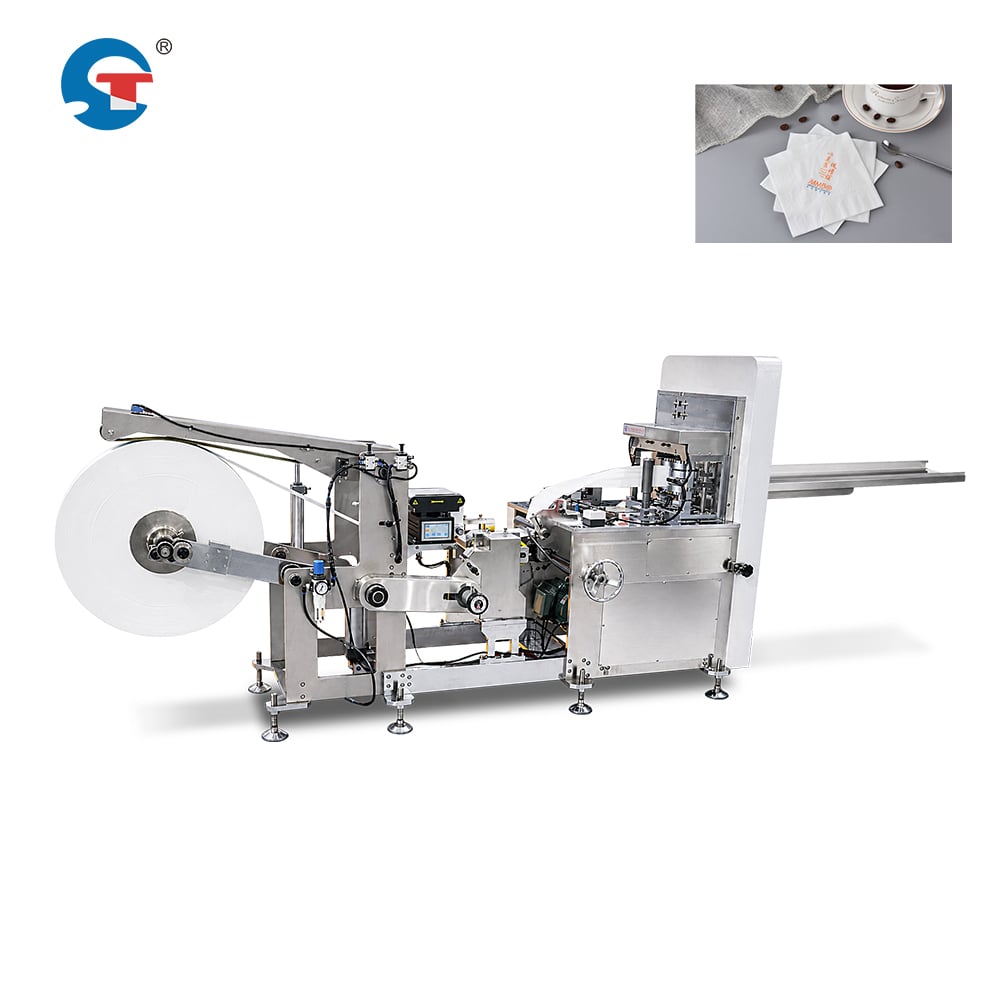
A premium napkin folding machine manufacturer must master the art of rapid pattern changeovers to remain competitive in the commercial foodservice and hospitality sectors. Modern restaurants, hotels, and catering operations demand flexibility in their linen production, requiring machines that can switch between multiple fold styles—diamond folds, rectangular folds, triangular configurations, and specialty presentations—within minutes rather than hours. This operational requirement represents one of the most critical challenges for industrial napkin folding machine specifications, distinguishing premium manufacturers from basic equipment suppliers.
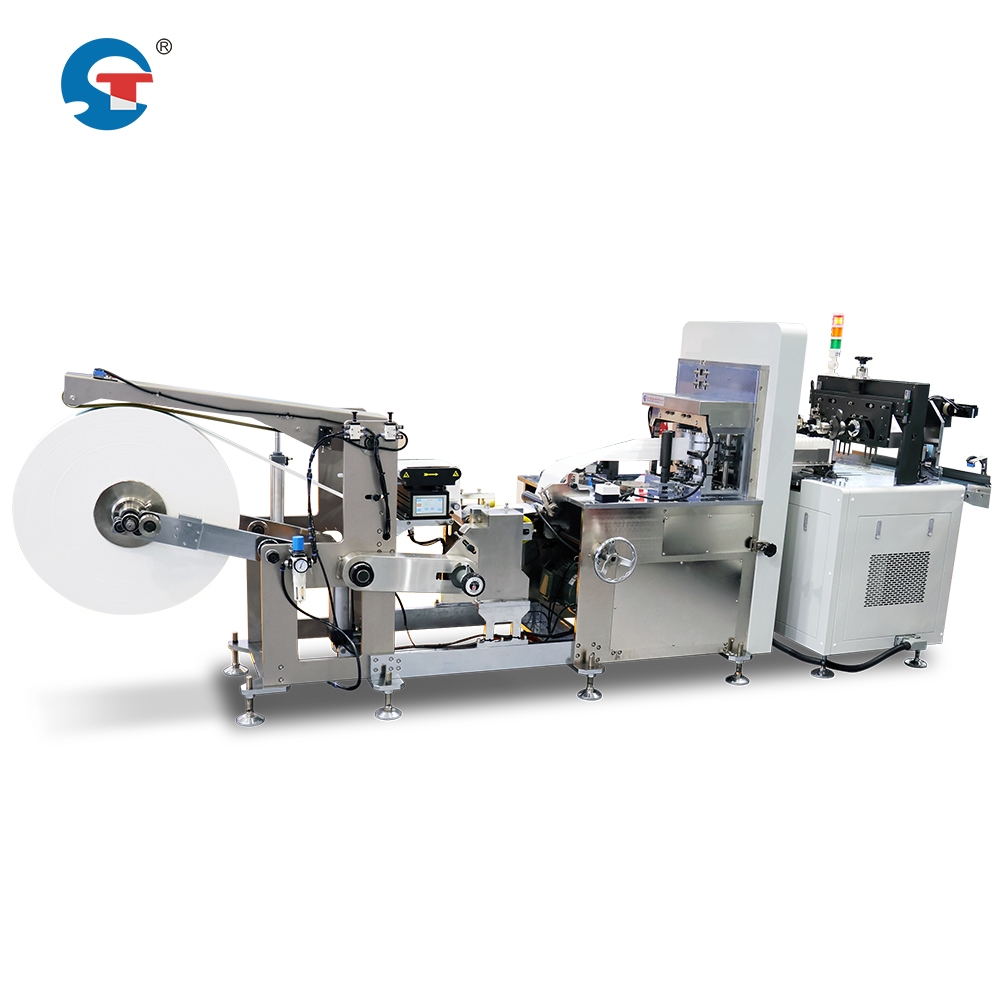
Understanding how top-tier commercial napkin folder equipment suppliers manage rapid changeovers reveals the engineering sophistication required in today's market. The ability to reconfigure an automatic napkin folding machine for restaurants without extended downtime directly impacts production schedules, labor costs, and customer satisfaction across hospitality operations. Premium manufacturers invest in modular design, intuitive control systems, and standardized quick-change mechanisms that enable their equipment to adapt rapidly to evolving customer demands.
Modular Folding Head Design and Quick-Change Architecture
Understanding Modular Head Systems in Industrial Napkin Folding
The foundation of rapid pattern changeovers lies in modular folding head design, a cornerstone of modern industrial napkin folding machine specifications. Premium manufacturers engineer folding heads as interchangeable components that can be swapped without disassembling the machine frame or recalibrating core systems. Each modular head contains the specific servo motors, guide rails, and fold plates necessary for a particular fold pattern, allowing technicians to install a different head configuration in under five minutes. This modular approach transforms what traditionally required extensive manual adjustment into a plug-and-play operation, dramatically reducing changeover time compared to legacy equipment from basic commercial napkin folder equipment suppliers.
Standardized Connector Systems and Interface Standards
A commercial napkin folder equipment supplier that prioritizes efficiency implements standardized connector systems across all interchangeable components. These universal interfaces—featuring power connections, signal lines, and mechanical positioning systems—ensure that any approved head module integrates seamlessly with the machine base without manual recalibration. The standardization extends to mechanical mounting points, electrical protocols, and pneumatic lines, allowing operators with minimal training to execute head swaps confidently. This level of standardization distinguishes premium automatic napkin folding machine for restaurants from equipment that requires specialized technician involvement for every pattern change, ultimately reducing operational friction and enabling faster adaptation to customer requirements.
Intelligent Control Systems and Pattern Database Integration
Real-Time Pattern Switching Through Software Architecture
Modern industrial napkin folding machine specifications incorporate sophisticated software systems that store multiple fold patterns, machine parameters, and performance metrics in a centralized database. When an operator selects a new pattern from the touchscreen interface or integrated PLC system, the machine automatically loads the appropriate servo timing sequences, speed profiles, and positioning coordinates without requiring manual input. This digital intelligence represents a fundamental shift in how commercial napkin folder equipment suppliers approach changeover efficiency, enabling machines to recall and execute complex fold sequences with precision that manual adjustment could never achieve. The software architecture also logs performance data, alerting operators to component wear or misalignment that could compromise fold quality during changeovers.
Predictive Maintenance and Component Health Monitoring
An automatic napkin folding machine for restaurants equipped with advanced control systems can monitor the health of servo motors, pneumatic actuators, and mechanical assemblies in real time. Predictive maintenance alerts notify operators before component degradation causes production errors or extended downtime during critical changeover periods. A premium napkin folding machine manufacturer integrates diagnostics that detect when guide rails require lubrication, servo calibration has drifted, or fold plate wear has begun affecting output quality. This proactive approach ensures that rapid pattern changeovers maintain consistent product quality, preventing the scenario where speed improvements introduce fold inconsistencies that damage the operation's reputation.
Training, Documentation, and Operational Standardization
Comprehensive Operator Training Programs and Knowledge Transfer
Beyond hardware and software, premium commercial napkin folder equipment suppliers invest heavily in comprehensive training programs that empower operators to execute pattern changeovers confidently. Structured training covers modular component identification, connector systems, software interface navigation, and troubleshooting protocols, ensuring that staff can manage transitions without bottlenecks. Many leading manufacturers provide on-site training during equipment installation, supplemented by video documentation and digital manuals accessible through tablets or mobile devices. This educational commitment transforms rapid changeover capability from a theoretical feature into reliable operational practice, recognizing that the most sophisticated industrial napkin folding machine specifications require skilled personnel to realize their potential.
Standardized Changeover Checklists and Quality Assurance Protocols
A napkin folding machine manufacturer committed to operational excellence provides detailed changeover checklists that guide operators through each step of pattern switching. These protocols include verification steps such as confirming module seating, validating software parameter loading, and executing a test run before returning to full production. The documentation specifies the exact sequence for disconnecting the previous folding head, installing the replacement module, and confirming all safety interlocks engage correctly. By standardizing changeover procedures across all installations, premium manufacturers reduce operator error, ensure consistency across different shifts and facilities, and establish a foundation for continuous process improvement. This systematic approach demonstrates that rapid pattern changeovers depend equally on human factors and machine engineering.
Reducing Downtime Through Logistics and Inventory Strategy
On-Site Folding Head Inventory and Rapid Deployment Models
A commercial napkin folder equipment supplier serving high-volume operations recommends maintaining on-site inventory of the most frequently requested folding head modules. Rather than waiting for modules to arrive from a remote facility, operators can execute changeovers using pre-positioned heads that remain immediately available. This logistics strategy reduces practical changeover time even further, transforming a five-minute hardware swap into a thirty-second head installation process. Premium napkin folding machine manufacturers often include detailed recommendations for optimal inventory levels based on facility production patterns, demand forecasting, and seasonal fluctuations, ensuring that clients maintain sufficient flexibility without excessive capital tied up in redundant equipment.
Serialization and Module Tracking for Preventive Management
Industrial napkin folding machine specifications from tier-one manufacturers include serialization systems that track each folding head module's usage history, maintenance schedule, and performance metrics. This data enables operators to identify which modules are approaching service intervals, allowing scheduled maintenance that prevents unexpected failures during critical production periods. The tracking system also helps facilities allocate modules across multiple machines based on demand forecasting, optimizing utilization while maintaining rapid changeover capability. An automatic napkin folding machine for restaurants equipped with this level of oversight transforms equipment management from reactive problem-solving into proactive operational excellence, directly supporting the facility's ability to deliver consistent service to its customers.
FAQ
What is the typical time required to change patterns on a premium automatic napkin folding machine?
A premium napkin folding machine manufacturer typically achieves pattern changeovers in three to seven minutes when using modular folding head systems. This includes disconnecting the previous head, installing the replacement module, confirming software parameters, and executing a test sequence. If pre-positioned folding heads are available on-site, the physical installation phase reduces to under two minutes, though overall validation and test cycles still require three to five minutes to ensure quality consistency.
How does a commercial napkin folder equipment supplier ensure fold quality consistency after rapid pattern changeovers?
Industrial napkin folding machine specifications incorporate automatic calibration routines that verify fold accuracy immediately after pattern changes. Servo position sensors confirm that each fold plate reaches the correct position, pneumatic pressure sensors validate actuator response, and vision systems can detect fold dimensional accuracy before production volumes resume. The machine's control system executes a short test cycle automatically, comparing output against stored reference parameters for each fold pattern, ensuring that quality requirements are met before full-speed production begins.
What training and documentation do premium napkin folding machine manufacturers provide for rapid changeover operations?
A premium napkin folding machine manufacturer provides comprehensive training that covers modular component identification, connector systems, software navigation, and troubleshooting procedures, supplemented by digital manuals and video documentation. Many manufacturers conduct on-site training during equipment commissioning and offer refresher training for new operators, ensuring that changeover procedures are executed consistently across all shifts and facility locations. Advanced suppliers also provide remote diagnostic support and troubleshooting assistance to maximize equipment uptime.
Table of Contents
- Modular Folding Head Design and Quick-Change Architecture
- Intelligent Control Systems and Pattern Database Integration
- Training, Documentation, and Operational Standardization
- Reducing Downtime Through Logistics and Inventory Strategy
-
FAQ
- What is the typical time required to change patterns on a premium automatic napkin folding machine?
- How does a commercial napkin folder equipment supplier ensure fold quality consistency after rapid pattern changeovers?
- What training and documentation do premium napkin folding machine manufacturers provide for rapid changeover operations?