
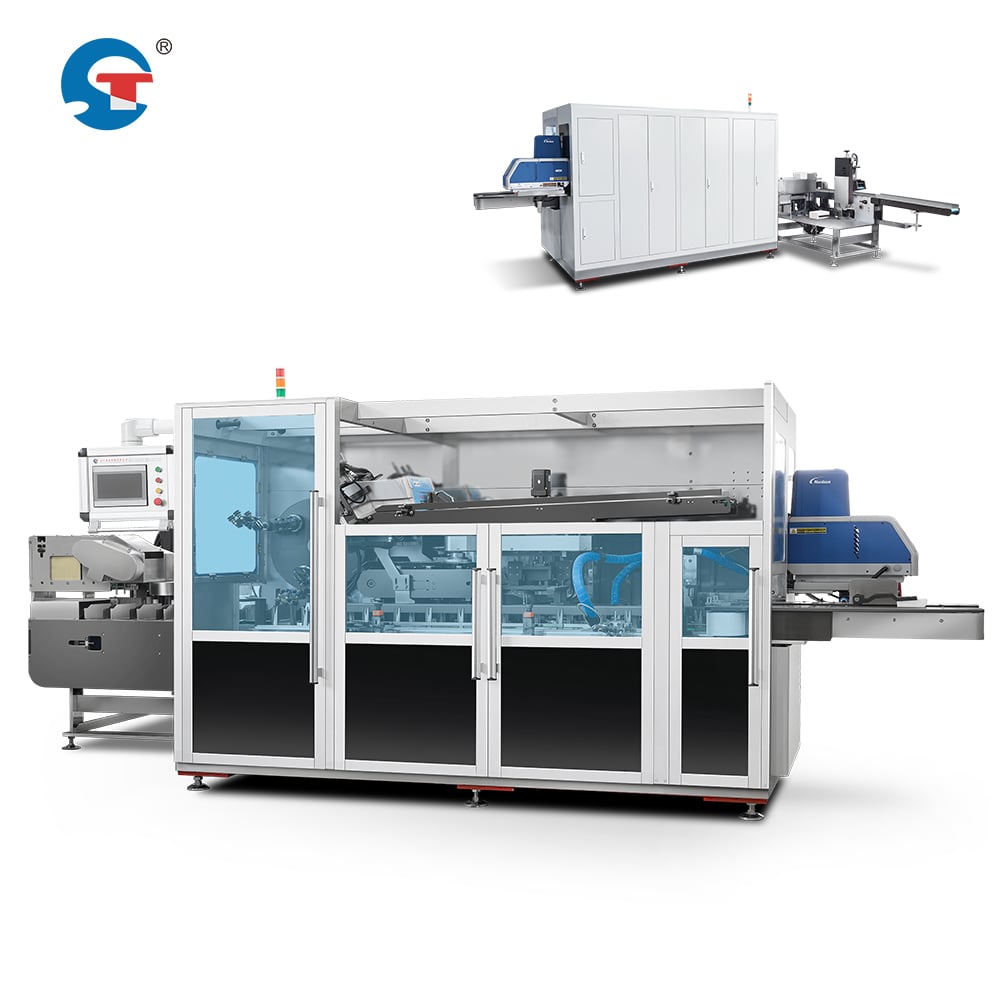
The pharmaceutical and consumer goods industry demands precision, speed, and reliability when handling delicate products. A continuous motion cartoning machine represents one of the most advanced solutions for this challenge, specifically engineered to protect sensitive items like blister packs while maintaining exceptional throughput. Understanding how these systems prevent jamming and damage requires examining their mechanical design, control systems, and operational principles that set them apart from traditional intermittent motion equipment.
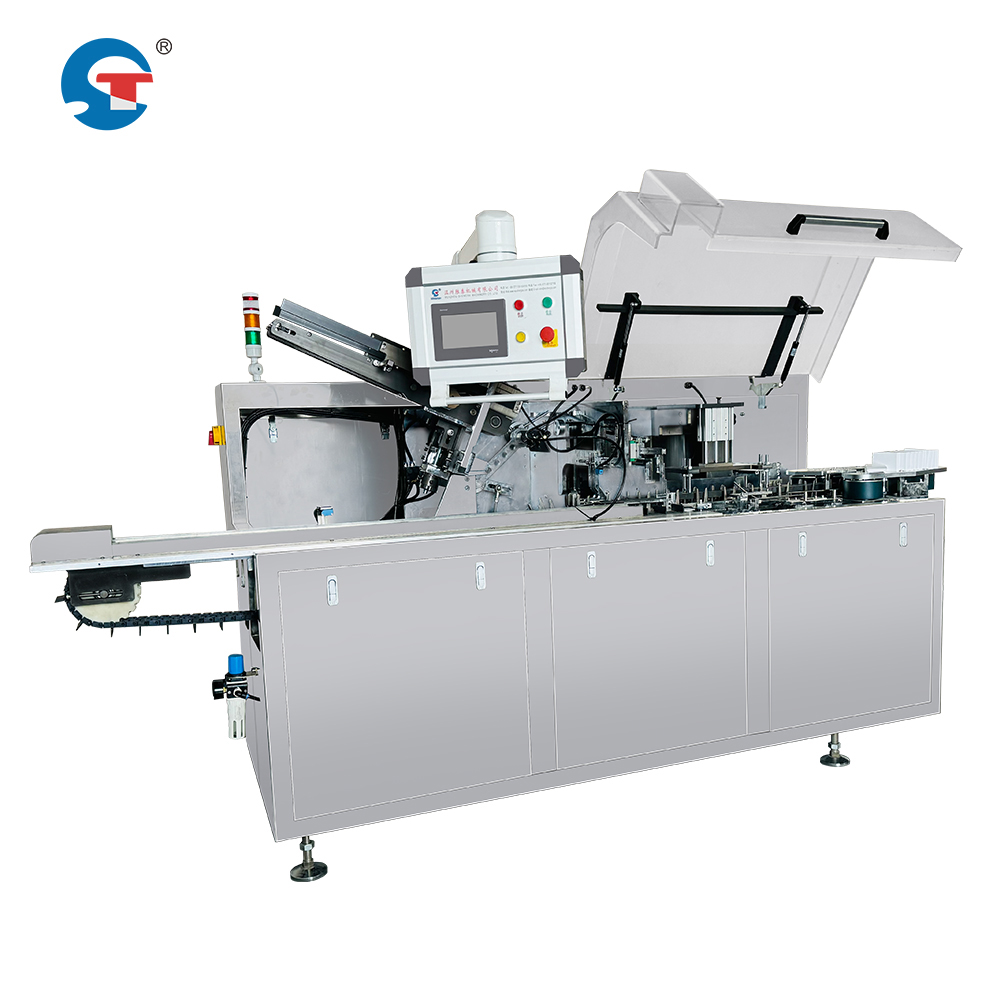
Delicate blisters containing tablets, capsules, or other sensitive pharmaceuticals require specialized handling throughout the packaging process. High-speed packaging automation equipment has evolved to meet these demands, incorporating features that detect product characteristics, adjust conveyor speed, and apply precise pressure during the cartoning cycle. This article explores how continuous motion cartoning systems integrate carton erecting and sealing technology with adaptive mechanisms to ensure your pharmaceutical and consumer goods packaging solutions deliver both protection and efficiency.
How Continuous Motion Systems Protect Delicate Blisters
Advanced Sensor Integration and Real-Time Monitoring
Modern continuous motion cartoning equipment relies on sophisticated sensor arrays to detect blister presence, orientation, and condition before they enter critical cartoning zones. These sensors continuously monitor product placement and trigger adaptive responses that protect delicate items from collision or compression damage. The high-speed packaging automation equipment incorporates infrared, vision, and mechanical sensors working in concert, allowing the machine to slow down automatically when a fragile blister approaches a potentially risky cartoning section.
Real-time monitoring ensures that every blister receives individualized care based on its specific characteristics. Pharmaceutical and consumer goods packaging solutions using this approach report significant reductions in damage rates compared to older fixed-speed systems. The continuous feedback loop allows operators to maintain peak throughput while protecting product integrity, which is especially critical for high-value medications and premium consumer items.
Precision Conveyor Speed Adjustment
Unlike traditional machines that operate at constant speeds, continuous motion cartoning machines employ variable-speed conveyors that adjust dynamically throughout the packaging cycle. When delicate blisters approach the carton opening, the system reduces conveyor velocity to minimize impact forces. This feature distinguishes high-speed packaging automation equipment from conventional solutions, as it prevents the sudden stops and starts that typically cause jamming or physical damage to sensitive products.
The precision conveyor adjustment works seamlessly with carton erecting and sealing technology, ensuring that product insertion speed matches carton readiness. This synchronization prevents scenarios where a blister arrives faster than a carton can accommodate it, or conversely, where the product waits idle and risks orientation shifts. Pharmaceutical and consumer goods packaging solutions benefit tremendously from this coordinated approach, which maintains efficiency while safeguarding delicate items.
Mechanical Design Features That Prevent Jamming
Optimized Product Pathway and Guiding Systems
The physical pathway through a continuous motion cartoning machine is engineered with smooth, gradual transitions that eliminate sharp angles where blisters might catch or jam. Specialized guide rails and product positioning components use rounded surfaces and precision-engineered gaps that accommodate standard blister dimensions without excessive friction. These design elements ensure that high-speed packaging automation equipment can maintain rapid throughput without compromising delicate product handling.
Pharmaceutical and consumer goods packaging solutions incorporate removable or adjustable guide components that allow quick setup changes for different blister sizes and configurations. This modularity means operators can adapt the continuous motion cartoning machine to new product lines without mechanical rework, reducing changeover time and minimizing the risk of damage during transitions. The pathway design also prevents product rotation or sliding within the cartoning mechanism, maintaining blister orientation from input through final sealing.
Load-Sensitive Carton Interaction Zones
Where delicate blisters meet open cartons, continuous motion systems employ load-sensitive mechanisms that detect product contact and adjust applied pressure accordingly. Rather than using fixed mechanical forces, carton erecting and sealing technology integrated into modern equipment adapts insertion force based on real-time product feedback. This prevents the crushing damage that occurs when rigid machinery applies standard force to unexpected resistance from a delicate blister.
The load-sensitive approach maintains consistency across production runs while accommodating natural variation in blister dimensions and rigidity. High-speed packaging automation equipment with this capability can process mixed product batches safely, automatically calibrating force levels for each item. This flexibility makes pharmaceutical and consumer goods packaging solutions more robust and reliable, especially when handling multiple SKUs on the same production line without manual recalibration.
Integration of Carton Erecting and Sealing for Seamless Operation
Coordinated Erecting Timing with Product Flow
A critical factor in preventing jamming is ensuring that cartons are fully erected and ready to receive products exactly when blisters arrive at the insertion point. Continuous motion cartoning machines synchronize carton erecting and sealing technology with conveyor motion so that product and carton timing align perfectly. When this synchronization falters, blisters collide with partially erected cartons, causing jamming and damage that halts production.
The coordination between high-speed packaging automation equipment components requires precise pneumatic and mechanical timing. Carton folding, bottom closing, and opening mechanisms must complete their cycles within specific windows determined by conveyor speed and product spacing. Pharmaceutical and consumer goods packaging solutions that achieve this coordination operate smoothly at speeds exceeding 120 units per minute without jamming incidents, delivering both efficiency and protection.
Sealing Process Compatibility with Delicate Products
Once a blister is inserted into a carton, the sealing process must secure the package without applying excessive pressure that could damage the product inside. Continuous motion cartoning machine systems employ sealing technologies that distribute force evenly across the carton surface rather than concentrating pressure on vulnerable areas. This design principle extends to adhesive application patterns and timing, ensuring that glue sets without creating rigid zones that might press against internal blisters.
Modern carton erecting and sealing technology incorporates monitoring systems that verify proper closure without over-tightening or under-sealing any package. Pharmaceutical and consumer goods packaging solutions using this approach maintain regulatory compliance while protecting product quality. The continuous motion cartoning machine approach eliminates the jamming risks associated with incomplete seals that cause cartons to jam in subsequent machinery or damage products through improper compression.
FAQ
What causes jamming in cartoning machines when handling delicate blisters?
Jamming typically occurs when product insertion speed exceeds carton readiness, when blisters rotate unexpectedly in guide systems, or when carton erecting and sealing technology malfunctions. Delicate blisters add complexity because they cannot tolerate the high impact forces that rigid products can withstand. Continuous motion cartoning machines address these issues through adaptive speed control, improved sensing, and load-sensitive mechanisms that protect blisters while maintaining flow.
How does high-speed packaging automation equipment maintain throughput without damaging sensitive items?
Speed is maintained through precision engineering and real-time monitoring rather than raw mechanical force. Continuous motion cartoning machines use smoother product pathways, optimized timing, and variable conveyor speeds that reduce impact stress on delicate blisters. Pharmaceutical and consumer goods packaging solutions achieve higher speeds safely by making the process gentler overall, not by pushing fragile products faster through traditional harsh mechanisms.
Can a continuous motion cartoning machine handle mixed product runs with different blister sizes?
Yes, modern continuous motion cartoning machines accommodate product variation through adjustable guide rails, load-sensitive force detection, and programmable speed profiles. Carton erecting and sealing technology can adapt to different product configurations when integrated with these sensing and adjustment capabilities. Quick changeover and automatic calibration features allow pharmaceutical and consumer goods packaging solutions to process multiple SKUs efficiently without manual reconfiguration between runs.