
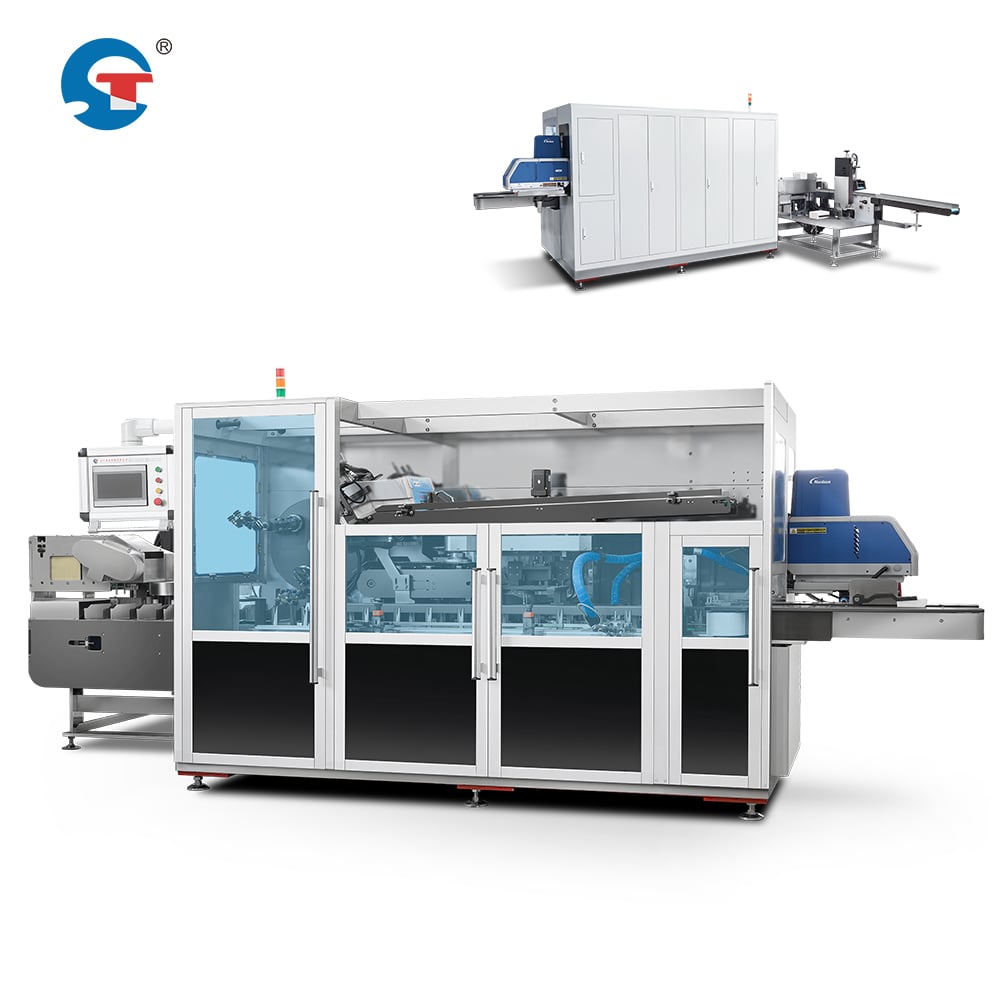
When production volumes reach thousands of units daily, the decision to invest in a continuous motion cartoning machine becomes critical to your operation's profitability and competitiveness. This equipment represents a substantial capital commitment, but for manufacturers processing high volumes of products—from pharmaceuticals to consumer goods—the return on investment can be compelling. Understanding whether this technology aligns with your business requires a clear analysis of your production needs, cost structure, and long-term growth strategy.
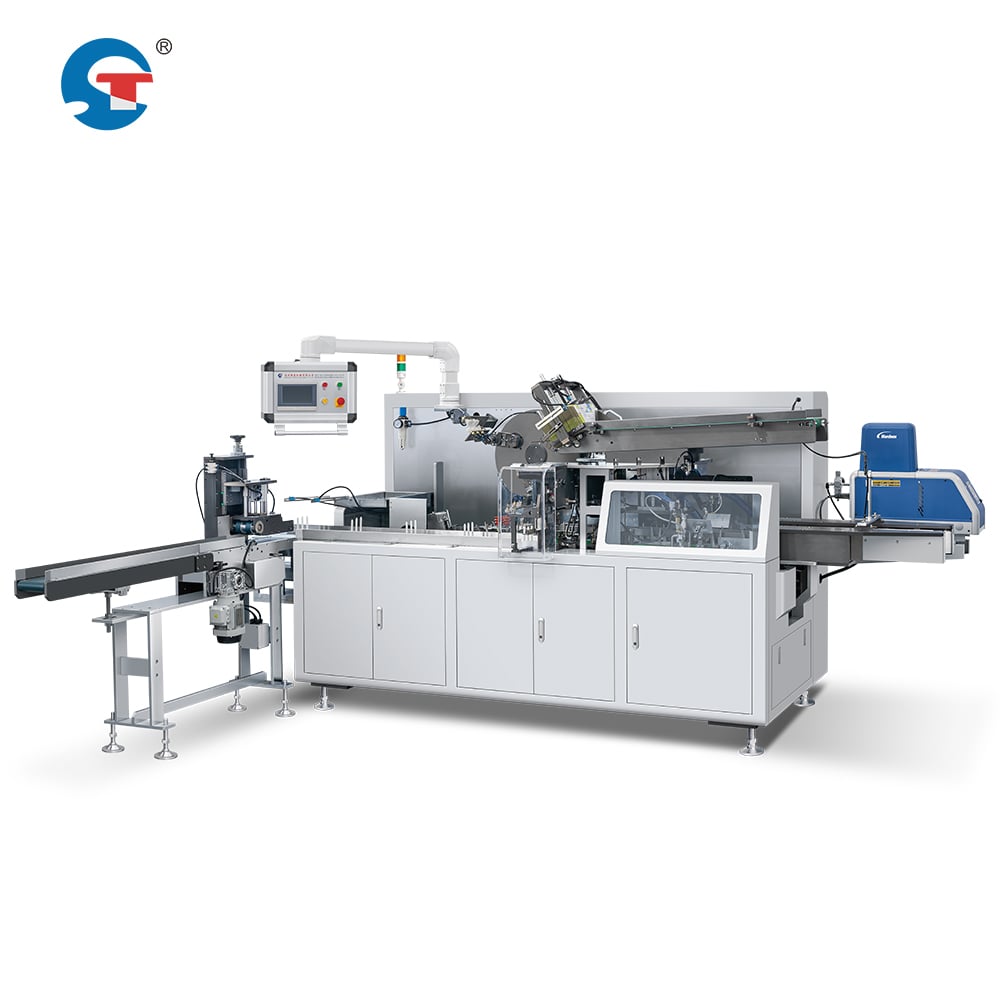
A continuous motion cartoning machine operates at speeds that intermittent systems cannot match, creating efficiency gains that multiply across full production years. Unlike stop-and-start mechanisms, continuous motion delivers consistent throughput, reduces product handling damage, and minimizes downtime for repositioning. For organizations running 24/7 production lines, this reliability translates directly to output volume and revenue generation. The pharmaceutical carton sealing and assembly process, for example, benefits significantly from the precision and speed these machines provide.
Capital Investment Versus Production Output
Understanding the Financial Framework
The upfront cost of a continuous motion cartoning machine typically ranges from six to seven figures depending on specifications and customization. This substantial investment demands that manufacturers have justified demand—generally minimum annual volumes of 10 to 50 million units—to recover costs within a reasonable timeframe, often three to five years. Lower volumes make the return calculation weaker, as fixed costs spread across fewer units. High-speed packaging automation equipment becomes profitable when production demand supports continuous operation, not seasonal or intermittent runs.
To determine true value, calculate your cost per unit with your current equipment, then project the cost per unit using the new machine's speed and efficiency. Factor in labor reduction, packaging material optimization, and reduced scrap rates. Many manufacturers discover that the per-unit savings reach 15 to 40 percent, depending on current manual processes and labor costs in their region. This calculation must account for maintenance, spare parts, and operator training expenses over the machine's operational lifetime.
Payback Period and Break-Even Analysis
A realistic payback analysis for cartoning machine speed and efficiency optimization shows that high-volume producers often recover their investment within 2.5 to 4 years. This timeline assumes consistent production volumes, moderate maintenance costs, and stable product mix. Facilities running partial capacity extend payback periods significantly, while those operating at or above nameplate capacity achieve faster recovery. Beyond the payback window, each year of operation generates incremental profit, making the investment highly valuable over a 10 to 15-year equipment lifespan.
Hidden savings emerge once operations begin. Reduced labor costs from fewer operators per line, minimized overtime due to higher throughput, and decreased packaging waste all contribute to financial performance. Pharmaceutical carton sealing and assembly process improvements alone can eliminate quality control bottlenecks, reducing rejection rates and rework costs that traditional equipment cannot prevent.
Production Efficiency and Operational Performance
Speed, Accuracy, and Process Reliability
High-speed packaging automation equipment operates at speeds ranging from 200 to 500 boxes per minute, depending on product size and carton complexity. This velocity requires precision engineering and real-time process control, which continuous motion cartoning machines provide through servo-driven systems and vision-based quality verification. The reliability of these systems means fewer line stops for adjustments, fewer product jams, and higher first-pass quality rates compared to conventional equipment.
Continuous motion technology eliminates the mechanical stress of stop-and-go operation, which extends equipment lifespan and reduces unplanned maintenance events. The pharmaceutical carton sealing and assembly process particularly benefits from this reliability, as regulatory compliance often depends on consistent, defect-free packaging. Traceability features and integrated data logging on modern continuous motion cartoning machines support audit trails required by FDA and other regulatory bodies.
Flexibility and Product Adaptability
Modern continuous motion cartoning machines incorporate modular components and programmable logic controllers that allow rapid changeovers between product sizes and carton styles. Setup times have decreased from hours to minutes, making these systems viable for operations with moderate product variety. While they excel in high-volume, single-product scenarios, many modern designs support quick-change systems that reduce the flexibility penalty compared to older equipment.
Manufacturers producing 5 to 10 different product skus can program specifications into memory and switch between them without physical adjustment. This adaptability, combined with high-speed packaging automation equipment's throughput advantage, allows companies to consolidate production lines and reduce total equipment footprint. For facilities facing space constraints, this benefit often justifies investment even beyond pure volume economics.
Risk Factors and Limitations
Volume Dependency and Market Uncertainty
The primary risk in continuous motion cartoning machine investment stems from volume dependency. If demand decreases, fixed costs spread across lower production volumes, eroding the economic advantage. Contractual commitments, customer concentration, and market trends must be evaluated honestly before committing capital. A facility designed for 30 million units annually that drops to 15 million faces significantly extended payback periods and diminished returns.
Market forecasting errors carry high costs in this context. Companies must project demand 2 to 3 years forward with reasonable confidence intervals. This analysis should include product lifecycle expectations, competitive pressures, and customer retention probabilities. For commodity products with declining margins, the investment becomes riskier unless market share growth is assured.
Technical and Integration Considerations
Implementation of cartoning machine speed and efficiency optimization requires skilled personnel for setup, maintenance, and troubleshooting. Training costs, ongoing technical support, and spare parts availability must factor into decision-making. Some regions have limited service infrastructure for advanced equipment, which increases downtime risk and repair costs. Manufacturers should verify that equipment vendors provide local support before committing significant capital.
Integration with upstream and downstream processes determines whether the cartoning system becomes a bottleneck or constraint. If infeed product supply cannot match machine speed, or if palletizing capacity cannot clear outbound cartons quickly, the high-speed advantage diminishes. Comprehensive facility assessment ensures that the continuous motion cartoning machine investment supports a balanced, optimized production line rather than creating new operational bottlenecks.
FAQ
At what annual production volume does a continuous motion cartoning machine become economically justified?
Generally, high-speed packaging automation equipment becomes economically justified at 10 to 15 million units annually for standard products, though some operations achieve acceptable returns at 8 million units with favorable labor costs. The threshold depends on your current per-unit cost, labor rates, and target payback period. Performing a detailed cost comparison using your specific numbers is essential, as industry averages vary significantly by product type and geography.
How does the pharmaceutical carton sealing and assembly process benefit from continuous motion technology?
Pharmaceutical operations gain precision, traceability, and compliance advantages from continuous motion cartoning machines. The consistent speed and servo control eliminate variations that create inspection failures or regulatory non-conformances. Integrated vision systems and data logging support required documentation, batch traceability, and quality assurance protocols. Additionally, reduced manual handling decreases contamination risk and improves worker safety, which carries value beyond pure throughput metrics.
What is the typical equipment lifespan and maintenance cost structure?
A well-maintained continuous motion cartoning machine typically operates effectively for 10 to 15 years, with annual maintenance costs ranging from 3 to 6 percent of the equipment purchase price. This includes preventive maintenance, spare parts replacement, and occasional component upgrades. Modern machines with predictive maintenance sensors can reduce unplanned failures and extend useful life. Service agreements with equipment suppliers can lock in costs and provide priority support, protecting production continuity.