
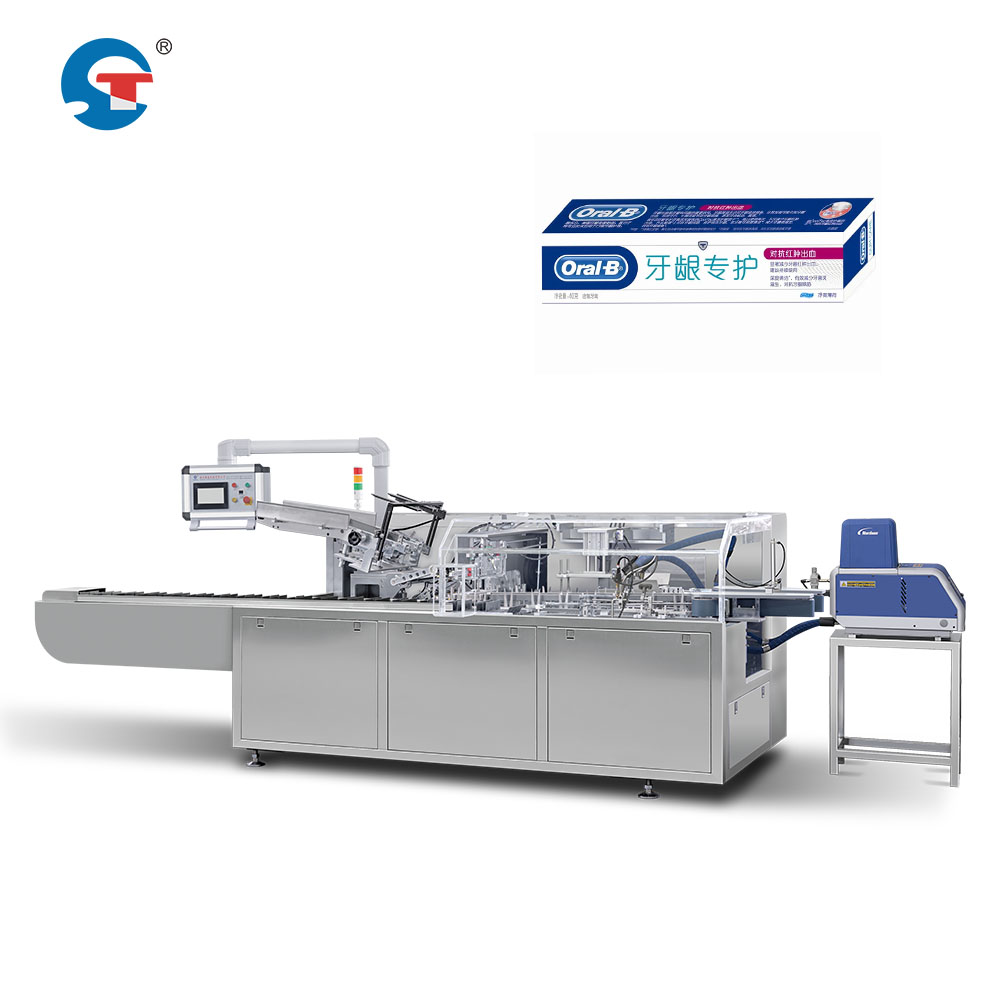
The success of any cosmetic manufacturing facility depends significantly on equipment reliability and operational efficiency. A toothpaste packing machine represents one of the most critical investments in your production line, directly impacting throughput, product quality, and profitability. Understanding which factors affect its performance is essential for maintaining consistent output and meeting market demands.
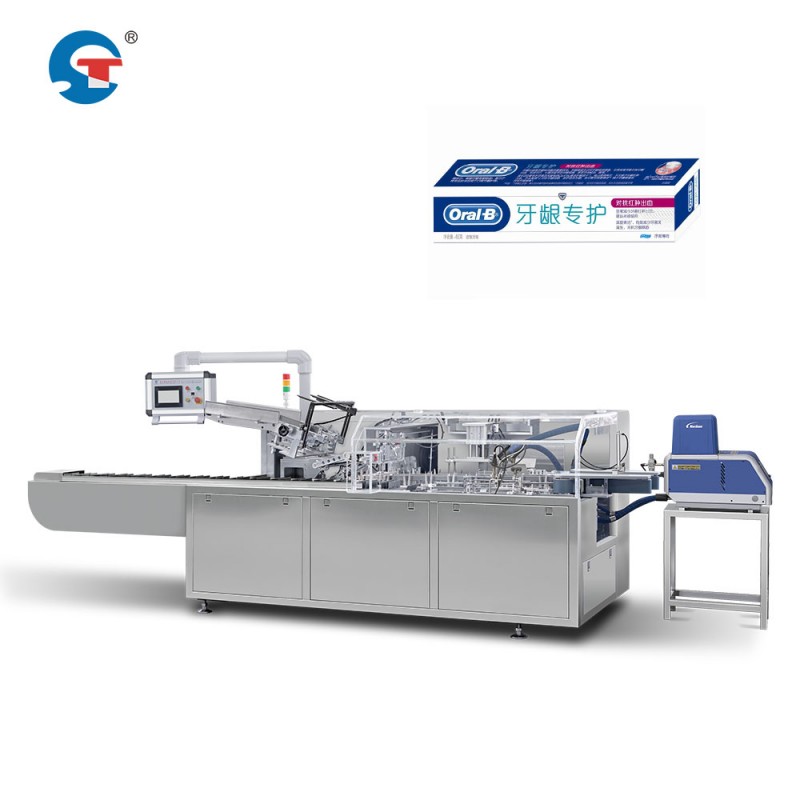
Modern toothpaste production line capacity and specifications must align with your facility's demand forecasts and product portfolio. Selecting equipment with appropriate automatic tube filling and sealing equipment capabilities ensures your operation scales smoothly without bottlenecks or quality degradation. This guide explores the critical performance factors that separate high-performing systems from underperforming investments.
Machine Design and Material Specifications
Structural Integrity and Build Quality
The foundation of toothpaste packing machine reliability lies in its structural design and material composition. Machines constructed with stainless steel frames and precision-engineered components resist corrosion from the acidic and abrasive nature of toothpaste formulations. High-grade materials ensure the equipment withstands continuous operation and frequent cleaning cycles without degradation. Equipment designed with modular construction allows for easier maintenance and component replacement, reducing unplanned downtime.
Precision in Sealing and Filling Mechanisms
Automatic tube filling and sealing equipment must maintain consistent accuracy across thousands of cycles. Precision pneumatic systems, servo-driven actuators, and calibrated sensors work together to ensure uniform fill volumes and reliable seal integrity. When sealing temperatures fluctuate or filling nozzles wear, product quality suffers immediately. Machines featuring adaptive feedback systems automatically compensate for minor wear, maintaining performance specifications across extended production runs. This precision directly influences waste reduction and compliance with industry standards.
Production Line Capacity and Operational Parameters
Speed and Throughput Optimization
Toothpaste production line capacity and specifications define the maximum output achievable under ideal conditions. However, actual performance depends on how effectively the machine maintains speed consistency while accommodating different tube sizes, cap types, and closure mechanisms. Equipment that can operate at 60 to 200 tubes per minute, depending on product viscosity and packaging complexity, provides flexibility across diverse production scenarios. Speed adjustability without sacrificing accuracy enables manufacturers to respond quickly to market demand changes.
Compatibility with Product Variants
Modern toothpaste production environments demand flexibility across multiple product lines. The machine must handle varying paste viscosities, tube materials, and cap designs without extensive reconfiguration. Equipment supporting quick changeovers between different formulations minimizes lost production time during product transitions. Cosmetic paste packaging automation technology that incorporates intelligent recipe storage and automated adjustment systems ensures consistent results regardless of which product runs next.
Maintenance, Hygiene, and Environmental Factors
Cleaning and Sanitation Requirements
Toothpaste packing machine performance degrades rapidly when residual product accumulates in filling tubes, sealing heads, or conveyor systems. Equipment designed for easy disassembly facilitates daily cleaning protocols essential for food and cosmetic manufacturing compliance. Systems featuring smooth internal surfaces and minimal crevices prevent bacterial growth and cross-contamination. Automatic tube filling and sealing equipment with stainless steel contact surfaces reduces cleaning time while maintaining hygiene standards critical for consumer safety.
Environmental Operating Conditions
Temperature, humidity, and air quality significantly impact toothpaste production line capacity and specifications performance. Machines operating in environments with excessive moisture require enhanced corrosion protection and sealed bearing systems. Temperature stability prevents paste consistency variations that can cause filling inaccuracies or seal failures. Facilities maintaining climate control between 18 and 25 degrees Celsius typically achieve optimal equipment performance and reduced maintenance intervals. Poor environmental conditions force machines to work harder, accelerating component wear and reducing operational lifespan.
FAQ
What is the typical production capacity of a modern toothpaste packing machine?
Contemporary toothpaste packing machines typically operate at 60 to 200 tubes per minute, depending on tube size and product characteristics. Toothpaste production line capacity and specifications vary based on whether the equipment handles 50ml, 75ml, or 100ml tubes, plus whether it includes capping and cartooning functions. High-speed systems designed for large-scale manufacturing can exceed these rates when handling standardized products with minimal format variations. The actual throughput achieved depends on the machine's design quality, maintenance condition, and operator expertise.
How often should automatic tube filling and sealing equipment require maintenance?
Automatic tube filling and sealing equipment should receive daily cleaning and weekly preventive maintenance to maintain optimal performance. Operators should inspect sealing temperatures, verify fill volumes, and check for product residue buildup each morning. Monthly maintenance includes bearing lubrication, sensor calibration checks, and component wear assessments. Most manufacturers recommend comprehensive equipment servicing quarterly or after processing 500,000 to 1,000,000 tubes, whichever occurs first. Proactive maintenance dramatically extends equipment life and prevents costly production interruptions.
Can cosmetic paste packaging automation technology integrate with existing production systems?
Yes, modern cosmetic paste packaging automation technology is designed to integrate seamlessly with existing conveyor systems, capping equipment, and labeling machines. Systems featuring standardized interfaces and digital communication protocols connect easily to legacy equipment through adapter solutions. However, integration success depends on whether your current machinery supports compatible speeds and product handling methods. Consulting with equipment specialists before purchasing ensures your toothpaste packing machine complements your facility's broader production architecture without requiring costly line reconstruction.