
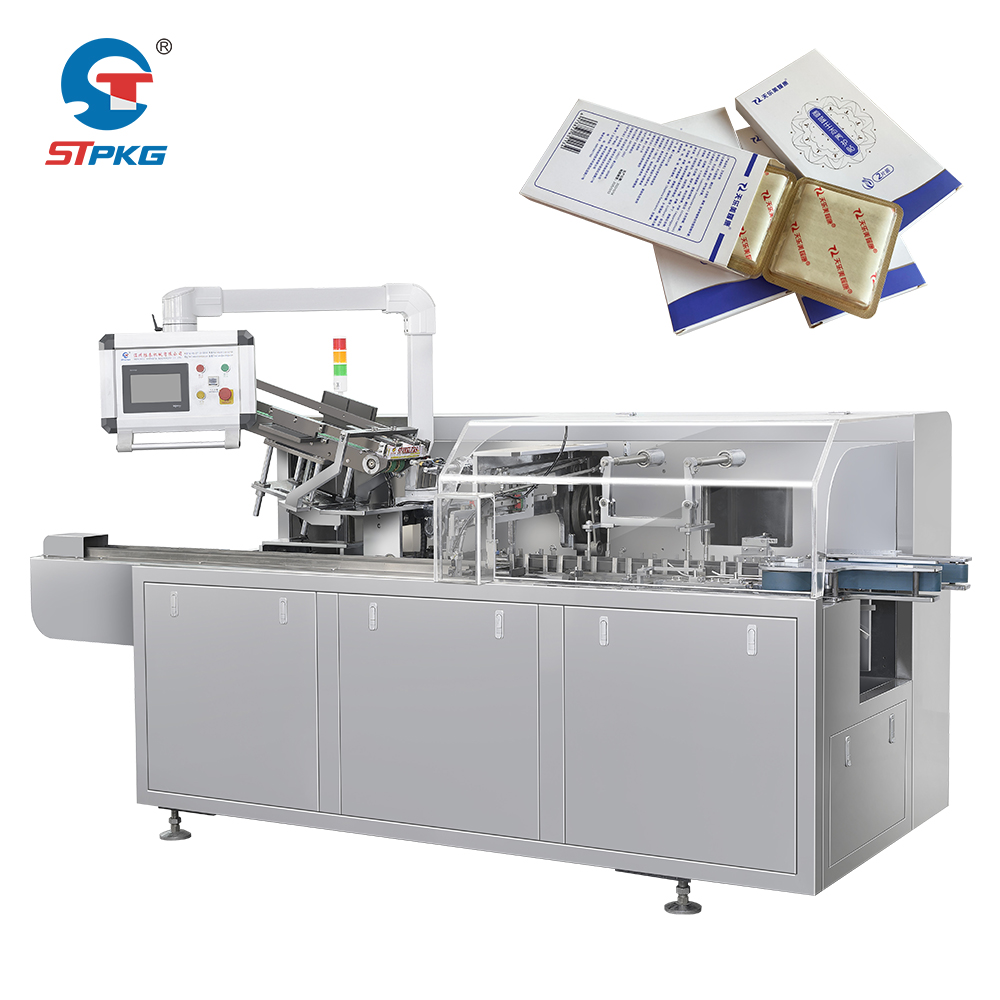
Modern manufacturing demands efficiency, precision, and scalability. A sanitary product packaging machine represents a transformative investment for factories seeking to elevate their automation capabilities while maintaining quality control across high-volume production runs. The hygiene industry faces mounting pressure to increase output without compromising on product integrity, worker safety, or operational costs.
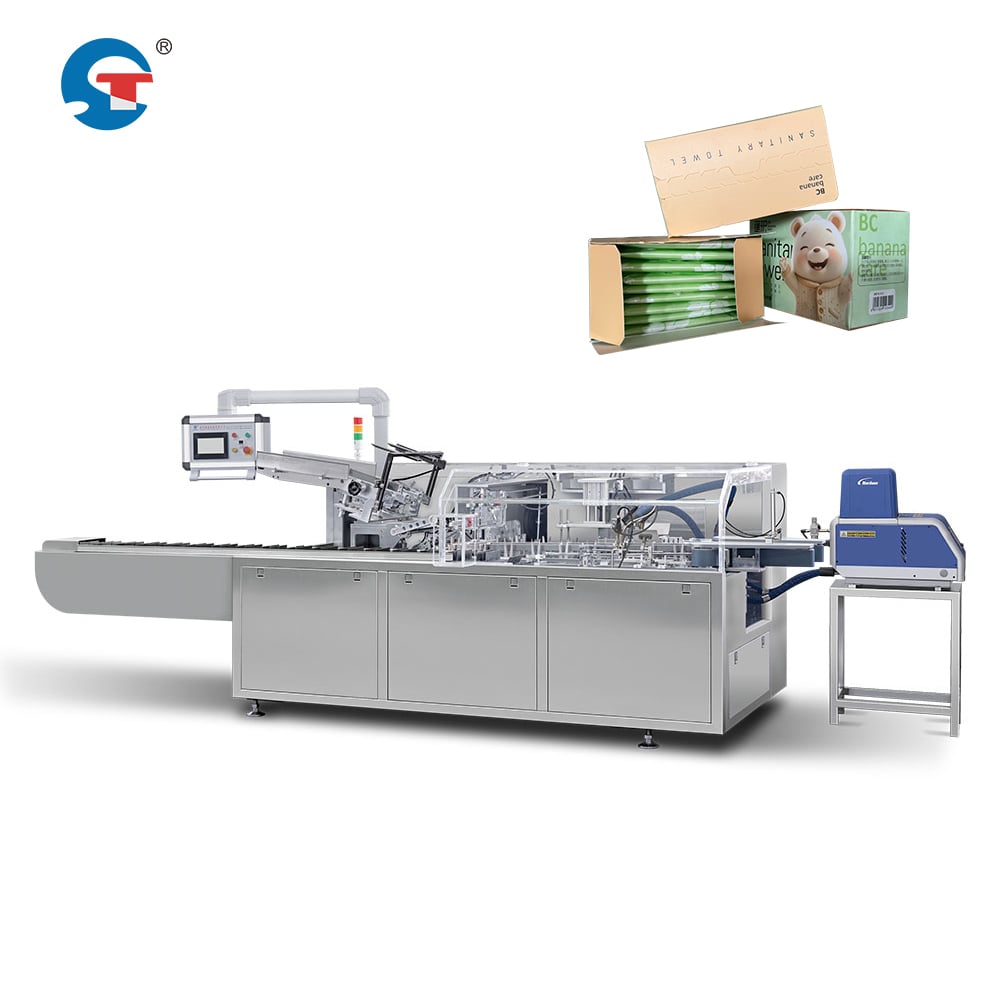
In competitive manufacturing environments, integrating feminine hygiene product line automation directly addresses the core challenge: delivering consistent, compliant packaging at industrial scale. These machines handle every stage of the wrapping process, from product positioning to final sealing, eliminating manual touchpoints that slow production and introduce variability. Factories that adopt automatic pad wrapping equipment experience measurable gains in throughput, waste reduction, and labor optimization.
Operational Efficiency and Production Capacity Gains
Maximizing Output with Automatic Pad Wrapping Equipment
Automatic pad wrapping equipment dramatically increases daily production capacity compared to semi-manual or fully manual workflows. A typical sanitary product packaging machine can process hundreds of units per hour, depending on configuration and product specifications. This acceleration directly translates to faster order fulfillment, reduced inventory holding periods, and improved cash flow for manufacturers serving retail and institutional buyers.
Beyond raw speed, these machines maintain consistent cycle times throughout production shifts, eliminating the fatigue-related slowdowns inherent in manual labor. Worker productivity remains constant regardless of shift duration or personnel changes, creating a predictable baseline for production planning and resource allocation.
Reducing Downtime and Material Waste
Feminine hygiene product line automation reduces material waste through precise control of film tension, cutting angles, and adhesive application. Each product receives identical treatment, minimizing rejects due to misalignment, incomplete seals, or wrapping defects. Over thousands of production cycles, waste reduction compounds into significant cost savings and improved sustainability metrics that resonate with environmentally conscious buyers.
Modern sanitary napkin packaging technology includes built-in quality sensors that detect defects in real time. When an anomaly is identified, the machine pauses automatically, alerts operators, and prevents defective units from reaching packaging stages. This early intervention prevents cascading waste and protects brand reputation.
Labor Optimization and Workforce Redeployment
Shifting Worker Roles Toward Higher-Value Activities
Deploying a sanitary product packaging machine liberates workers from repetitive wrapping tasks, allowing reallocation to quality inspection, machine maintenance, supply chain coordination, and packaging line supervision. This shift improves job satisfaction and retention while building specialized expertise within the workforce. Factory managers gain flexibility to respond to production bottlenecks by moving personnel to strategic roles rather than adding unskilled labor.
Automatic pad wrapping equipment also reduces occupational strain injuries associated with repetitive hand motions, improving workplace safety records and reducing workers' compensation expenses. Employees develop career paths in machine operation and technical troubleshooting, creating internal talent development opportunities that strengthen organizational stability.
Scaling Production Without Proportional Labor Costs
As factories increase output to meet market demand, sanitary napkin packaging technology enables production growth without linear increases in headcount. One operator can supervise multiple machines simultaneously, monitor performance dashboards, and manage changeovers between product types. This scalability advantage proves especially valuable during seasonal demand spikes or when entering new geographic markets where labor costs are rising.
Manufacturers can confidently accept larger orders knowing that feminine hygiene product line automation provides the capacity buffer to deliver on-time without emergency hiring or overtime premiums. This reliability strengthens customer relationships and opens pathways to long-term supply contracts.
Quality Consistency and Regulatory Compliance Enhancement
Standardizing Product Presentation and Compliance
Sanitary product packaging machine technology ensures every unit meets regulatory requirements for labeling placement, seal integrity, and material certification. Automated workflows eliminate human judgment variables that can inadvertently create non-compliant batches. Regulatory agencies recognize the consistency advantage of machine-based packaging, streamlining audit processes and reducing the risk of product recalls due to packaging defects.
Automatic pad wrapping equipment maintains precise documentation of every production run, creating verifiable records of packaging parameters, material lot numbers, and machine settings. These audit trails satisfy traceability requirements across most global markets and provide forensic evidence if quality issues ever arise post-distribution.
Data-Driven Process Improvement
Modern sanitary napkin packaging technology integrates digital monitoring systems that capture real-time performance metrics: cycle times, reject rates, material consumption, and maintenance intervals. Facility managers access dashboards showing production efficiency, enabling data-driven optimization decisions. When performance metrics indicate drift, engineers adjust machine parameters precisely, preventing batches of defective products from accumulating.
This continuous feedback loop supports predictive maintenance, where machine age, sensor readings, and historical failure patterns inform scheduling for component replacement before unplanned breakdowns occur. Downtime reduction directly increases the annual productive hours available for revenue-generating output.
FAQ
How does automatic pad wrapping equipment impact the initial capital investment compared to labor-based packaging?
Initial equipment costs are substantial, typically ranging from mid-five to six-figure investments depending on capacity and automation sophistication. However, payback periods average 12 to 24 months based on labor savings, waste reduction, and increased throughput. Over a machine's 8 to 10 year operational lifespan, total cost of ownership favors automation significantly, especially in factories running multiple shifts or scaling to meet growth targets.
Can feminine hygiene product line automation handle different product sizes or packaging materials?
Yes, modern machines include modular components and programmable settings that accommodate varying product dimensions, wrapping materials, and sealing specifications. Changeovers between product lines typically require 15 to 45 minutes depending on design differences. This flexibility allows a single sanitary product packaging machine to serve multiple product categories, maximizing return on equipment investment and reducing the need for duplicate installations.
What training and technical support do operators need for sanitary napkin packaging technology?
Equipment manufacturers typically provide on-site commissioning, operator training, and ongoing technical support. Initial training covers machine operation, maintenance procedures, troubleshooting common issues, and safety protocols. Operators need basic mechanical aptitude and attention to detail rather than advanced technical credentials. Comprehensive documentation and video resources support independent problem-solving for minor adjustments, while service representatives handle complex diagnostics or component replacements.
Table of Contents
- Operational Efficiency and Production Capacity Gains
- Labor Optimization and Workforce Redeployment
- Quality Consistency and Regulatory Compliance Enhancement
-
FAQ
- How does automatic pad wrapping equipment impact the initial capital investment compared to labor-based packaging?
- Can feminine hygiene product line automation handle different product sizes or packaging materials?
- What training and technical support do operators need for sanitary napkin packaging technology?