
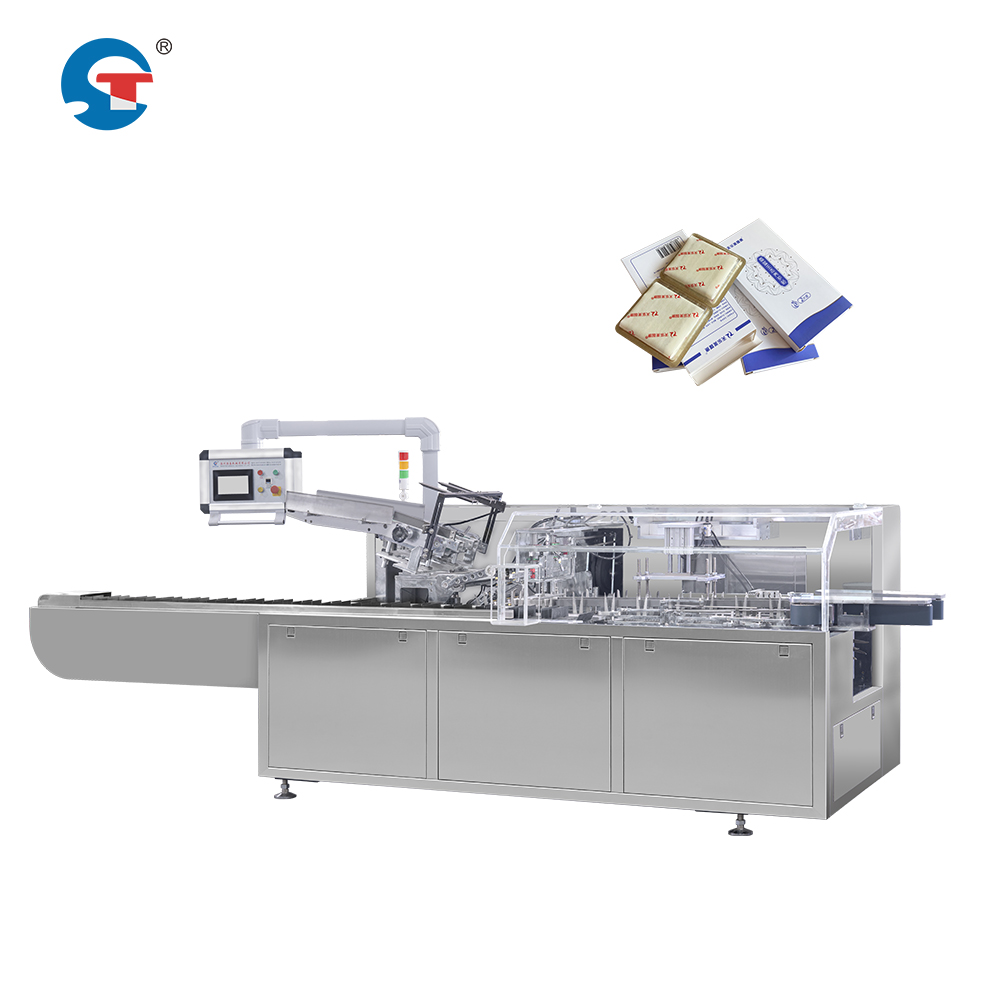
Manufacturers across the feminine hygiene industry face mounting pressure to increase production volumes while maintaining strict quality standards and controlling costs. The decision to invest in a sanitary product packaging machine represents a critical operational choice that directly impacts profitability, market competitiveness, and consumer satisfaction. Understanding the compelling reasons behind this investment helps operations managers, plant directors, and procurement teams make informed decisions about modernizing their production lines.
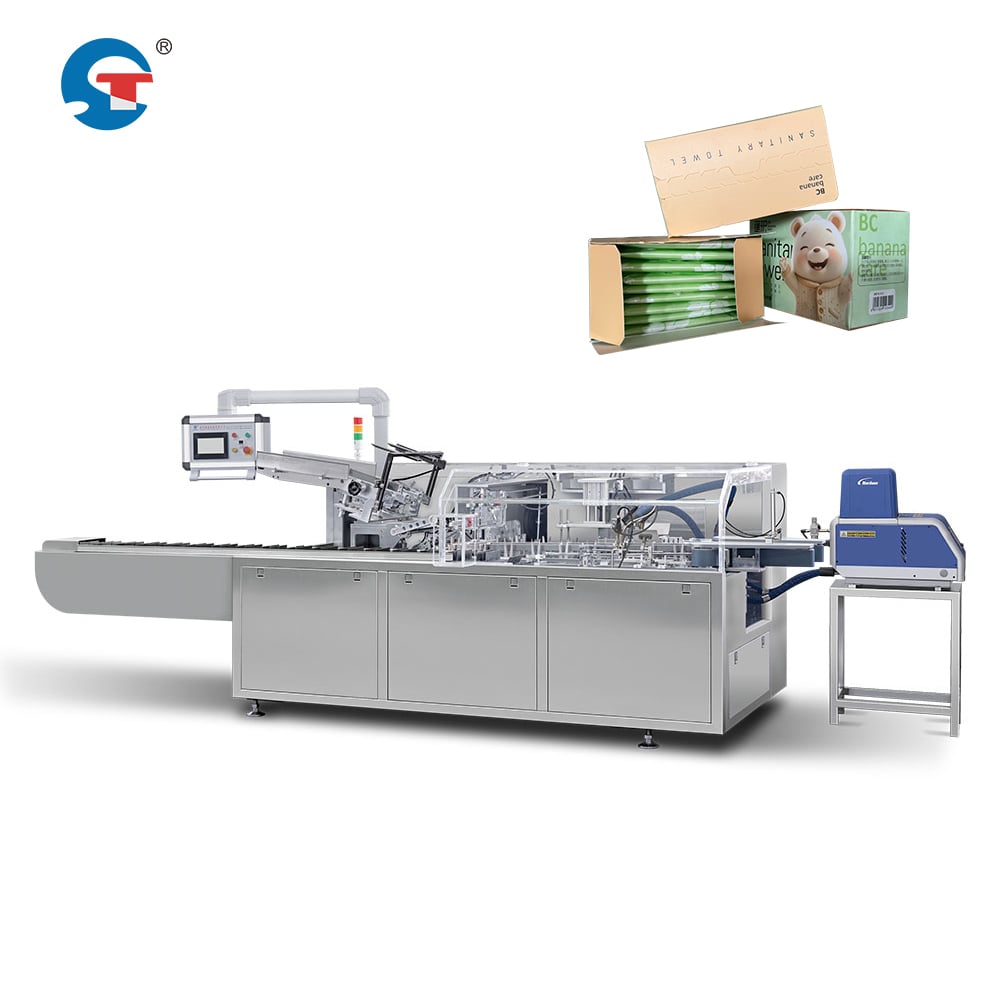
Today's market demands rapid scaling without sacrificing product integrity. High-speed sanitary napkin packing lines deliver the throughput necessary to meet consumer demand across regional and international markets. Manufacturers recognize that automation through feminine hygiene product packaging solutions is no longer optional but essential for remaining competitive in an increasingly crowded marketplace where production efficiency directly translates into pricing power and market share growth.
Production Efficiency and Output Scaling
Meeting Demand Through Automation
Modern consumers expect consistent product availability, which requires manufacturers to scale production rapidly without expanding headcount proportionally. Automatic pad wrapping equipment processes products at speeds that manual operations cannot match, typically handling thousands of units per hour. This capability allows manufacturers to fulfill large bulk orders, serve multiple distribution channels simultaneously, and respond to seasonal demand fluctuations without investing heavily in temporary labor that increases operational complexity and inconsistency.
The sanitary product packaging machine streamlines the entire packing workflow, from product alignment through final sealed packaging. By automating these repetitive tasks, manufacturers eliminate bottlenecks that slow manual operations and reduce the likelihood of production delays that damage customer relationships and market reputation. High-speed sanitary napkin packing lines enable manufacturers to quote shorter lead times to retailers and distributors, creating competitive advantage in contract negotiations and customer retention.
Consistency and Quality Assurance
Automated feminine hygiene product packaging solutions enforce uniform packing standards across every unit produced. Unlike manual operations where human variation affects package density, seal integrity, and product orientation, industrial equipment operates with mechanical precision that ensures every package meets specification. This consistency reduces customer complaints, minimizes returns due to packaging defects, and protects brand reputation in markets where quality expectations are exceptionally high.
The sanitary product packaging machine includes integrated quality control sensors that detect misaligned products, seal failures, and packaging irregularities in real time. Automatic pad wrapping equipment stops production immediately when defects are detected, preventing defective units from reaching consumers. This proactive quality approach reduces waste, protects regulatory compliance, and demonstrates product reliability that builds consumer trust and loyalty over time.
Cost Reduction and Operational Economics
Labor Cost Optimization
While capital investment in a high-speed sanitary napkin packing line requires upfront expenditure, manufacturers recoup these costs through substantial labor savings over the equipment lifecycle. A single automated packing system replaces multiple manual operators, reducing total labor expense per unit produced. Over three to five years, this labor efficiency advantage typically generates return on investment while simultaneously improving workplace safety by removing repetitive strain tasks that cause operator injuries and related costs.
Automatic pad wrapping equipment also reduces training requirements and minimizes operator-dependent variability. New staff require less specialized training to manage automated systems compared to manual packing operations where technique and experience significantly impact output quality. This workforce flexibility allows manufacturers to maintain production during employee turnover, seasonal staffing challenges, and periods of rapid expansion without compromising operational stability.
Material Waste Reduction
Precision engineering in feminine hygiene product packaging solutions minimizes packaging material waste through accurate dispensing and sealing. The sanitary product packaging machine reduces film overwrap, excessive adhesive application, and seal defects that waste materials and inflate per-unit costs. Over large production volumes, even marginal improvements in material efficiency compound into meaningful cost savings that enhance profit margins on every unit sold.
Automated systems also optimize packaging film utilization through consistent cutting and wrapping patterns that manual operators cannot replicate reliably. High-speed sanitary napkin packing lines reduce scrap rates and environmental impact from packaging waste. These dual benefits appeal to manufacturers pursuing sustainability goals and cost leadership simultaneously, creating competitive positioning in markets increasingly sensitive to environmental responsibility and operational efficiency.
Regulatory Compliance and Market Access
Quality and Safety Standards
Regulatory bodies worldwide impose strict requirements on feminine hygiene product packaging regarding barrier integrity, contamination prevention, and product information accuracy. Automatic pad wrapping equipment maintains documented seal strength, material compatibility, and sanitary conditions that exceed regulatory thresholds consistently. The sanitary product packaging machine generates production logs and quality records automatically, creating compliance documentation that auditors require and retailers increasingly demand.
Manufacturers using high-speed sanitary napkin packing lines demonstrate process control superiority that regulatory agencies recognize and reward. This advantage becomes particularly valuable when entering international markets or securing contracts with major retail chains that conduct supplier audits and require proven quality systems. Compliance capability directly enables market access expansion that smaller competitors with manual-only operations struggle to achieve.
Traceability and Product Information
The sanitary product packaging machine integrates printing systems that apply batch codes, expiration dates, manufacturing facility information, and required consumer warnings automatically. This eliminates manual labeling errors that create regulatory violations and customer safety concerns. Feminine hygiene product packaging solutions include serialization capabilities that enable manufacturers to trace products through distribution channels, facilitating recalls if necessary and protecting brand integrity.
Automated traceability strengthens manufacturer accountability in regulatory eyes and provides competitive advantage in markets where transparency and product safety information matter to consumer purchasing decisions. The ability to document precise production conditions, material sources, and quality verification procedures builds consumer confidence and supports premium positioning strategies in competitive markets.
FAQ
What specific advantages does automatic pad wrapping equipment provide over manual packaging?
Automatic pad wrapping equipment delivers speed, consistency, and precision that manual operators cannot sustain. The equipment processes products at 100–300 units per minute depending on complexity, compared to 20–40 units per manual operator per minute. Every package emerges identical in seal strength, alignment, and appearance, reducing returns and complaints. Equipment operates continuously without fatigue-related quality degradation, maintains precise material consumption, and generates automatic documentation for compliance verification.
How does a high-speed sanitary napkin packing line improve overall production profitability?
A high-speed sanitary napkin packing line reduces per-unit production cost through labor reduction, material efficiency, and waste minimization. The equipment enables manufacturers to quote competitive pricing while maintaining healthy margins. Additionally, increased production capacity allows manufacturers to serve larger customers and markets, generating volume discounts from material suppliers and spreading fixed facility costs across more units. Faster turnaround times strengthen customer relationships and enable premium pricing in markets valuing rapid fulfillment.
Are feminine hygiene product packaging solutions suitable for small to medium manufacturers?
Yes, feminine hygiene product packaging solutions range from semi-automatic equipment suited to mid-volume producers through fully automated lines for large manufacturers. Smaller companies can implement automatic pad wrapping equipment that balances investment with production capacity aligned to their market segment. Entry-level high-speed sanitary napkin packing lines deliver efficiency gains and quality improvements that justify capital investment even for regional manufacturers serving defined geographic markets. Equipment suppliers offer financing and lease options that reduce upfront capital barriers.