
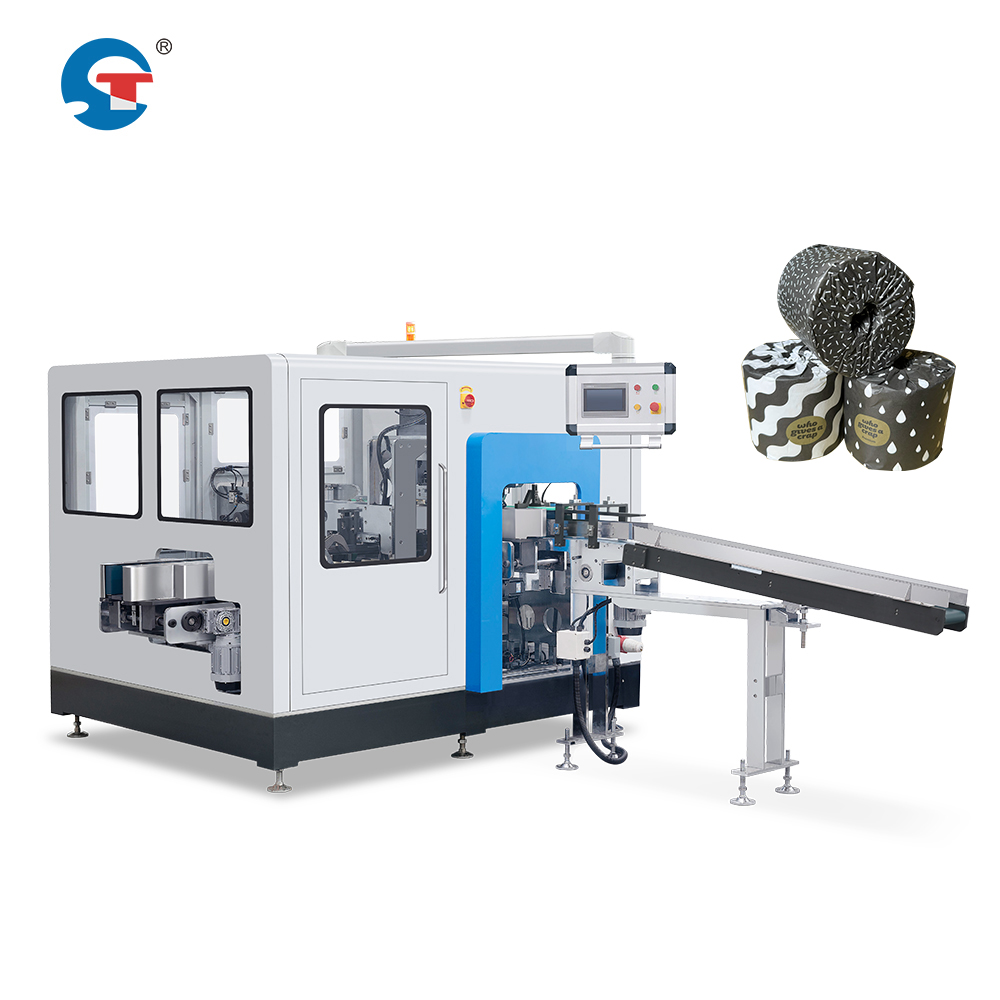
A hygiene paper packaging machinery manufacturer plays a critical role in enabling the multi-pack bundle formats that consumers encounter daily on retail shelves. Modern consumers expect convenience, and multi-pack bundles deliver exactly that by combining multiple individual units into a single protective package. Behind every efficiently assembled multi-pack bundle lies sophisticated machinery designed to handle varied product dimensions, speeds, and configurations with precision and reliability.
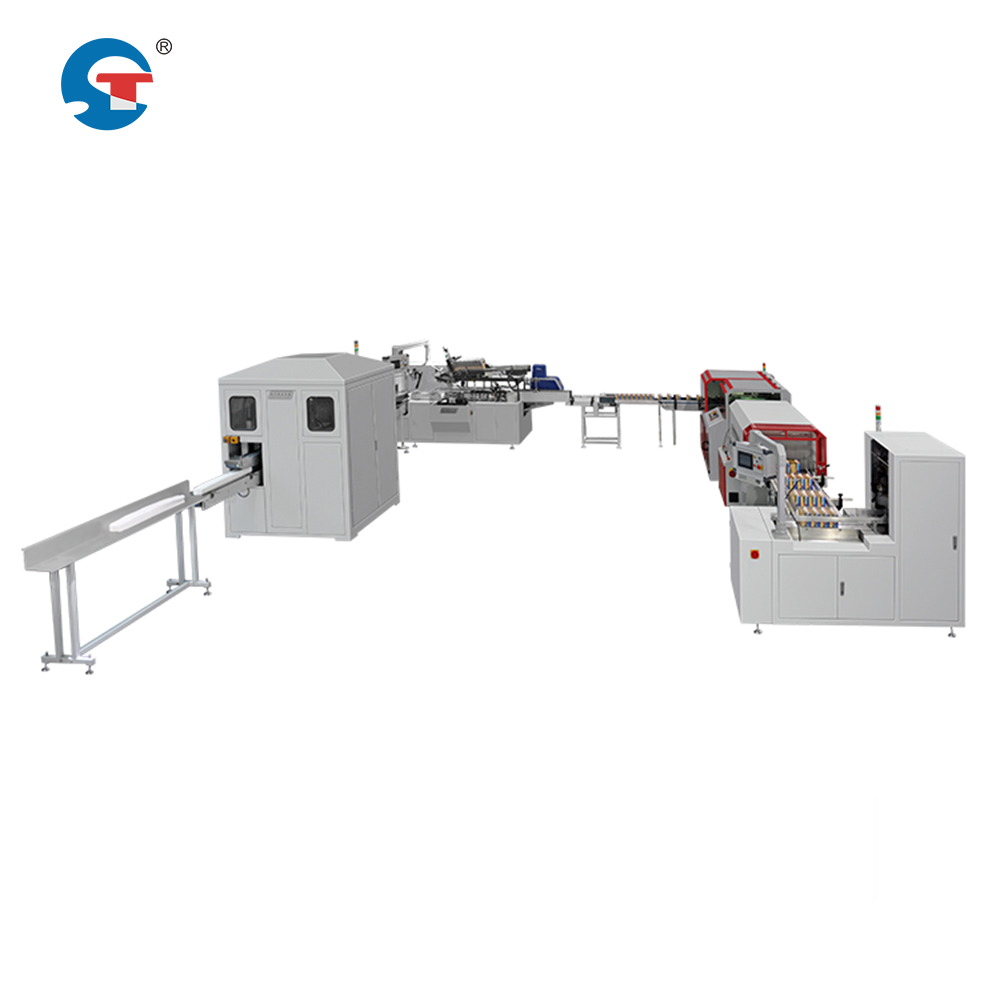
A hygiene paper packaging machinery manufacturer must understand the unique demands of tissue, napkin, and paper towel production lines. These manufacturers invest heavily in developing systems that can adjust to different product formats, bundle quantities, and packaging materials without requiring complete line reconfiguration between product changes. This adaptability directly impacts operational efficiency and production throughput for end-users.
Understanding Multi-Pack Bundle Requirements
Product Dimension Flexibility and Tolerance
Multi-pack bundle formats require machinery capable of handling variable product sizes and shapes. Toilet paper wrapping machinery technology must accommodate rolls of different diameters, tissue paper packaging machine specifications must support various sheet dimensions, and automatic sanitary napkin production line equipment must adjust feeding mechanisms for distinct pad geometries. A manufacturer of hygiene paper packaging machinery must engineer systems with adjustable hoppers, product guides, and positioning sensors that accommodate these variations without sacrificing speed or accuracy.
When bundle configurations change, downtime becomes a significant cost factor. Advanced tissue paper packaging machine specifications now include quick-change components that reduce setup time from hours to minutes. Manufacturers design modular hoppers, interchangeable wrapping heads, and programmable logic controllers that store multiple product profiles, allowing operators to switch between four-packs, six-packs, eight-packs, or bulk bundles efficiently.
Consistent Bundle Count Accuracy
Accuracy in bundle counting is non-negotiable for both regulatory compliance and consumer satisfaction. Toilet paper wrapping machinery technology incorporates sophisticated counting sensors and vision systems that verify product count before the final wrapping stage. Automatic sanitary napkin production line equipment employs servo-driven product feeds that precisely dispense the correct number of units into each bundle with repeatability rates exceeding 99.5 percent, meeting strict quality standards across global markets.
A hygiene paper packaging machinery manufacturer achieves this precision through integrated control systems that synchronize product feeding, positioning, and wrapping in real time. Optical and mechanical feedback loops enable constant adjustment, ensuring zero-waste production and minimizing product rejects due to incorrect bundle composition.
Advanced Technology Supporting Multi-Pack Operations
Servo-Driven Precision and Modular Architecture
Modern tissue paper packaging machine specifications feature servo motor technology that provides exact speed control, positioning accuracy, and repeatability. These systems allow manufacturers to program multiple bundle formats into a single machine, switching between formats via software commands rather than mechanical adjustments. Automatic sanitary napkin production line equipment uses similar technology to handle rapid product transitions, maintaining consistent output even during format changes that would have required line stoppages in older systems.
Modular design principles enhance flexibility further. A manufacturer offering toilet paper wrapping machinery technology structures systems with interchangeable components such as product feeders, wrapping chambers, and cut-and-seal mechanisms. This architecture enables customers to expand production capacity, upgrade specific functions, or adapt to new product requirements without replacing the entire line.
Vision and Quality Assurance Systems
Modern hygiene paper packaging machinery manufacturer designs integrate advanced vision systems that inspect bundle assembly in real time. These systems verify bundle count, product alignment, wrap quality, and overall appearance before final discharge. Toilet paper wrapping machinery technology now includes machine learning algorithms that detect wrapping defects, seal integrity issues, and misalignment patterns, providing predictive maintenance alerts that prevent unexpected downtime.
Automatic sanitary napkin production line equipment similarly relies on vision inspection at multiple checkpoints throughout the packaging process. Multi-pack bundles pass through imaging stations that confirm correct product orientation, padding thickness, and overall package integrity. Any deviation triggers automatic rejection and cycle restart, ensuring only compliant bundles reach consumers.
Supporting Retail and Consumer Convenience Demands
Ergonomic Bundle Design and Packaging Materials
Consumer convenience drives multi-pack bundle popularity, and a hygiene paper packaging machinery manufacturer must design systems that enable ergonomic bundle configurations. Tissue paper packaging machine specifications now accommodate oversized wrapping materials, handle variable wrap thickness, and support multiple film types including polyethylene, polypropylene, and kraft paper combinations. Toilet paper wrapping machinery technology adjusts sealing temperatures, pressure, and timing to work effectively with different wrap materials without degradation.
Bundle handles, tear notches, and carrying features are increasingly common in retail packaging. Advanced automatic sanitary napkin production line equipment includes optional modules that perforate, cut, or apply handle attachment features during the wrapping process, adding functional value without requiring separate post-packaging operations. This integration reduces production steps and improves manufacturing efficiency while enhancing end-user experience.
Sustainability and Material Optimization
Modern consumers expect sustainable packaging, pushing manufacturers to optimize material usage in multi-pack bundles. A hygiene paper packaging machinery manufacturer develops systems that minimize wrap weight while maintaining package integrity and shelf presence. Tissue paper packaging machine specifications include features that reduce film waste during wrapping through precision cut-and-seal operations and optimized wrap dimensions based on bundle geometry.
Automatic sanitary napkin production line equipment increasingly incorporates systems that apply recycled content films, biodegradable materials, and water-based adhesives. Toilet paper wrapping machinery technology adapts to these materials through adjustable sealing parameters and compatible feed systems, enabling customers to meet sustainability targets without sacrificing production speed or bundle quality.
FAQ
What specific tissue paper packaging machine specifications should manufacturers prioritize for multi-pack flexibility?
Manufacturers should prioritize specifications including adjustable product hoppers with quick-change components, servo-driven feeds capable of multiple speed profiles, programmable logic controllers with stored product databases, and modular wrapping heads compatible with various bundle sizes. Vision-based counting and positioning systems are essential for accuracy, and the system must support multiple wrap material types without complete reconfiguration.
How does automatic sanitary napkin production line equipment handle rapid bundle format changes?
Modern automatic sanitary napkin production line equipment stores multiple product profiles in onboard computers, allowing operators to switch between formats through simple menu selection. Servo motors adjust speeds, positioning sensors recalibrate to new product dimensions, and modular components can be swapped quickly. Integration of vision systems ensures quality consistency throughout format transitions, minimizing setup time and production loss.
Why is toilet paper wrapping machinery technology important for multi-pack sustainability?
Toilet paper wrapping machinery technology enables precision wrapping that minimizes film waste, supports alternate materials like recycled and biodegradable films, and optimizes wrap dimensions for different bundle sizes. This technological sophistication allows manufacturers to reduce environmental impact while maintaining package integrity, shelf appeal, and brand protection across diverse multi-pack configurations.
Table of Contents
- Understanding Multi-Pack Bundle Requirements
- Advanced Technology Supporting Multi-Pack Operations
- Supporting Retail and Consumer Convenience Demands
-
FAQ
- What specific tissue paper packaging machine specifications should manufacturers prioritize for multi-pack flexibility?
- How does automatic sanitary napkin production line equipment handle rapid bundle format changes?
- Why is toilet paper wrapping machinery technology important for multi-pack sustainability?