
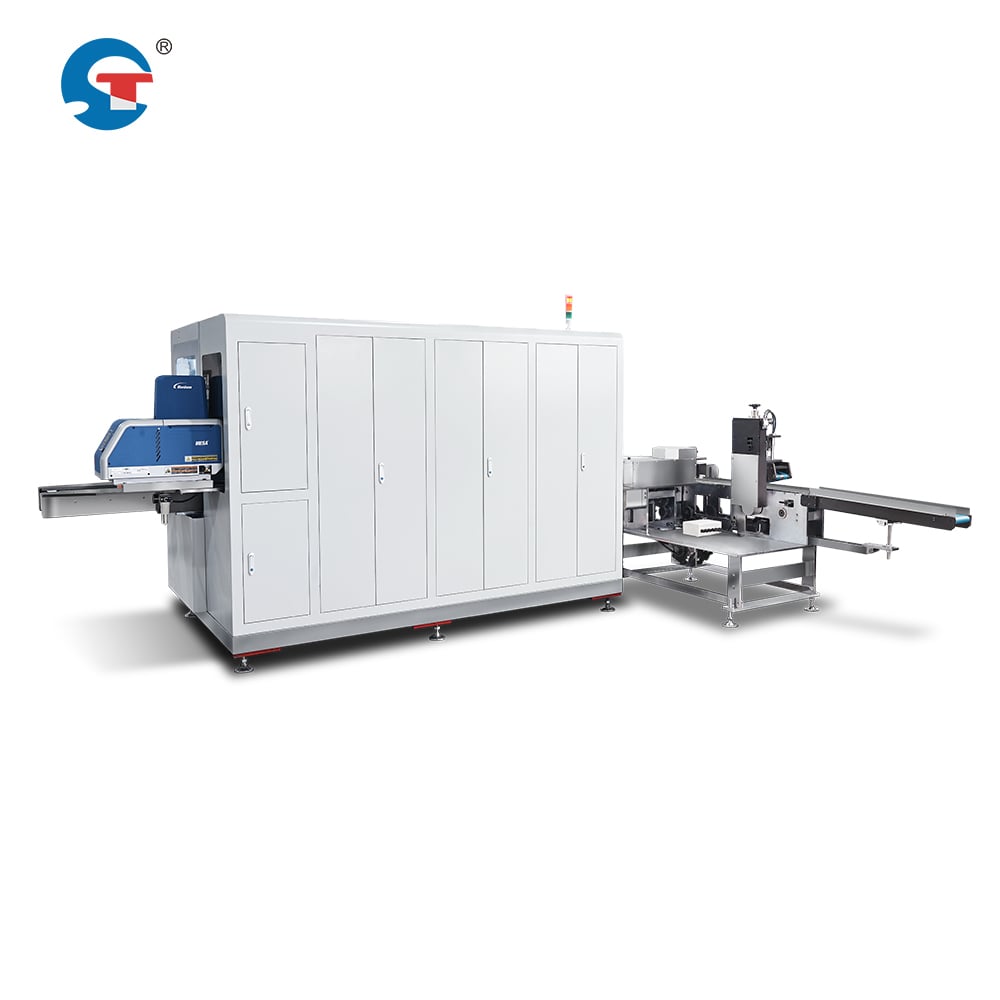
Maintaining production equipment in busy packaging facilities represents a significant operational expense, yet many manufacturers overlook how equipment design directly impacts maintenance costs. A continuous motion cartoning machine fundamentally changes this equation by distributing mechanical stress more evenly across the production cycle, leading to measureable reductions in downtime and maintenance overhead. Unlike traditional systems that rely on stop-start mechanisms, modern high-speed carton packaging equipment operates with smoother, more predictable motion patterns that preserve component integrity over extended production runs.
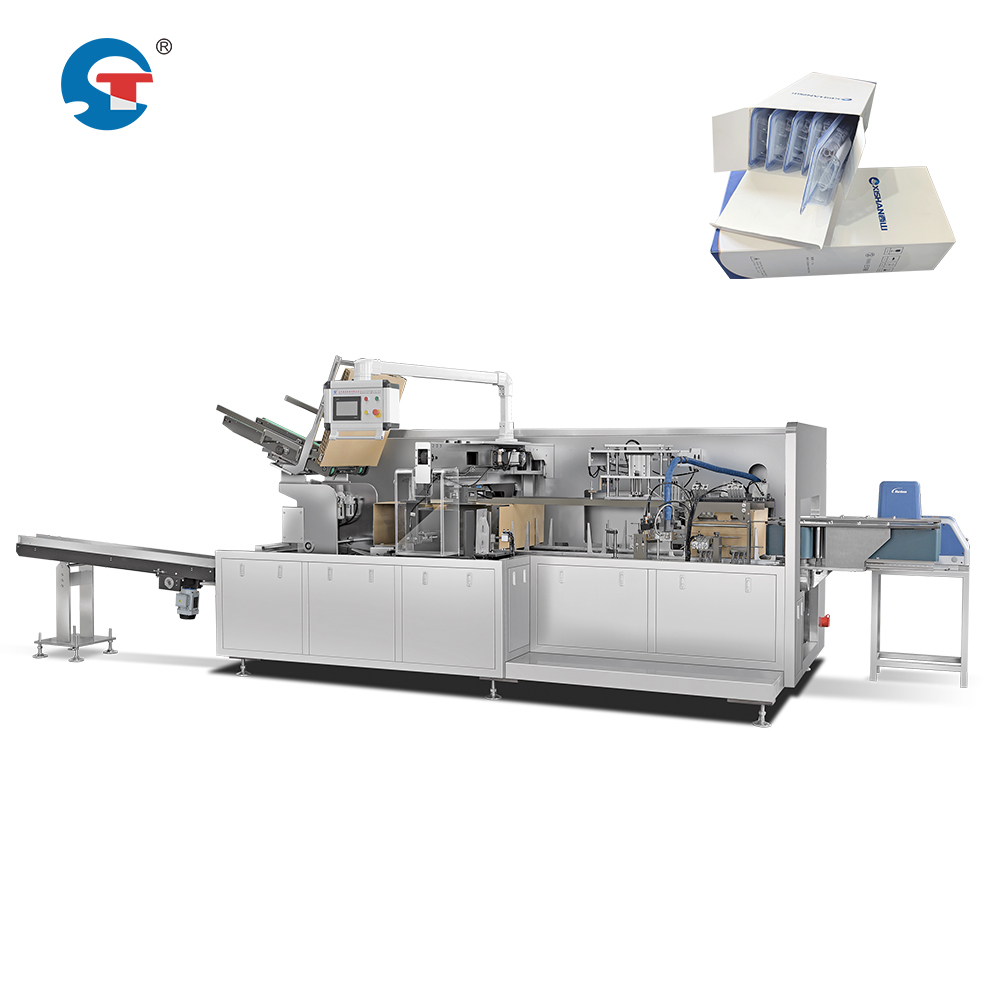
High-speed carton packaging equipment designed with continuous motion technology delivers tangible benefits that extend equipment lifespan and reduce total cost of ownership. By minimizing mechanical shock, friction wear, and component fatigue, this automatic case packing machine approach allows facilities to operate longer between service intervals while maintaining consistent packaging quality and throughput.
How Continuous Motion Design Reduces Mechanical Stress
Understanding Motion Architecture in Modern Cartoning Systems
The fundamental difference between a continuous motion cartoner and traditional intermittent motion cartoner vs continuous motion systems lies in how each manages the carton through the packaging cycle. Intermittent systems accelerate, decelerate, and stop repeatedly, creating sudden forces on bearings, drive belts, and positioning mechanisms. In contrast, high-speed carton packaging equipment employing continuous motion maintains a steady operational velocity, allowing components to operate within predictable load ranges and reducing the shock loads that trigger premature wear.
This sustained operational rhythm means that critical wear points—such as guide rails, drive shafts, and servo motors—experience consistent stress rather than sudden spikes. The continuous motion cartoning machine design distributes energy consumption evenly, preventing localized hot spots where components fail prematurely. Bearing assemblies, in particular, benefit from this approach because they encounter stable friction patterns rather than repeated impact transitions.
Impact on Component Lifespan and Replacement Frequency
When an automatic case packing machine operates with continuous motion principles, each component encounters predictable wear rates rather than catastrophic failure patterns. Drive belts last longer because they transmit consistent torque without the sudden jerks that cause cracking and delamination. Servo motors experience reduced thermal stress because the load profile remains steady, allowing cooling systems to work efficiently. Bearing assemblies wear at controlled rates, enabling maintenance teams to schedule replacement proactively rather than responding to unexpected breakdowns.
The intermittent motion cartoner vs continuous motion comparison reveals that continuous systems typically extend bearing lifespan by 30 to 50 percent, depending on production speed and carton specifications. This translates directly into fewer unplanned maintenance events, less emergency repair expense, and improved production reliability during peak demand periods.
Operational Efficiency Gains That Lower Total Maintenance Cost
Reduced Downtime and Faster Maintenance Cycles
High-speed carton packaging equipment with continuous motion technology operates with fewer moving parts requiring frequent adjustment. Because the motion profile remains constant, maintenance technicians can predict maintenance windows more accurately and schedule preventive service during planned downtime rather than reacting to sudden failures. This predictability alone reduces overtime hours and emergency service calls that increase facility labor costs.
A continuous motion cartoning machine also simplifies troubleshooting procedures because the stable operating envelope narrows the variables that technicians must evaluate. When an intermittent motion cartoner vs continuous motion system breaks down, identifying the root cause takes longer because sudden mechanical stresses may mask underlying issues. Continuous motion systems present clearer diagnostic signals, enabling faster problem resolution and reduced downtime duration.
Lubrication and Wear Management Optimization
The consistent operational pattern of high-speed carton packaging equipment means that lubricants distribute evenly across moving surfaces and maintain protective film thickness more effectively. In intermittent systems, sudden acceleration and deceleration can strip lubrication away from critical contact points, increasing friction and accelerating component failure. A continuous motion cartoning machine maintains stable lubrication conditions throughout the production cycle, reducing the frequency of lubricant changes and minimizing the risk of inadequate lubrication damage.
Maintenance teams can also extend service intervals for an automatic case packing machine because the steady-state operation reduces contamination ingress and lubricant degradation. This means fewer scheduled maintenance stops, lower lubricant consumption costs, and simpler inventory management for maintenance supplies.
Strategic Advantages in High-Volume Production Environments
Reliability as a Competitive Advantage
Busy facilities operating near nameplate capacity cannot afford extended downtime, making equipment reliability a primary cost factor. A continuous motion cartoning machine delivers superior reliability by eliminating sudden mechanical stress events that trigger unexpected failures during critical production shifts. High-speed carton packaging equipment designed with this principle maintains consistent throughput, allowing facilities to meet demanding customer commitments without holding excess buffer inventory or overtime labor capacity.
The intermittent motion cartoner vs continuous motion comparison in high-volume environments shows that continuous systems reduce unplanned downtime events by approximately 40 to 60 percent over multi-year periods. This reliability translates into deferred capital expenditure for backup equipment, reduced emergency service contract premiums, and improved cash flow from consistent order fulfillment.
Scalability and Future-Proofing
As production demands grow, facilities often push existing equipment to higher speeds or extended run times. An automatic case packing machine built on continuous motion architecture tolerates speed increases more gracefully than intermittent systems because the fundamental design distributes stress proportionally rather than creating new failure modes at higher speeds. This scalability allows facilities to increase throughput without immediately planning equipment replacement, extending the return on capital investment.
High-speed carton packaging equipment with continuous motion design also adapts better to changing carton formats and product specifications, reducing the customization cost and downtime associated with equipment modifications. This operational flexibility supports business agility while maintaining the maintenance cost benefits that justify the initial investment.
FAQ
What is the primary maintenance advantage of a continuous motion cartoning machine over intermittent systems?
The primary advantage is reduced mechanical shock and stress concentration. A continuous motion cartoning machine distributes load evenly throughout the operational cycle, eliminating the sudden acceleration and deceleration forces that cause premature wear in intermittent systems. This results in longer component lifespan, fewer unplanned failures, and more predictable maintenance scheduling, directly lowering facility maintenance overhead.
How does high-speed carton packaging equipment reduce total maintenance cost?
High-speed carton packaging equipment reduces total maintenance cost through extended component lifespan, predictable service intervals, reduced emergency repairs, lower lubrication consumption, and decreased downtime duration. The steady operational profile allows maintenance teams to schedule preventive service during planned windows rather than responding to unexpected breakdowns, which significantly reduces labor costs and unplanned production losses.
Why is the intermittent motion cartoner vs continuous motion comparison important for facility managers?
Understanding the intermittent motion cartoner vs continuous motion distinction helps facility managers make informed decisions about equipment investment and lifecycle cost. Continuous motion systems typically deliver lower total cost of ownership through reduced maintenance expenses, improved reliability, and better scalability. This comparison is essential for justifying capital expenditure and planning long-term operational strategy in busy packaging facilities.