
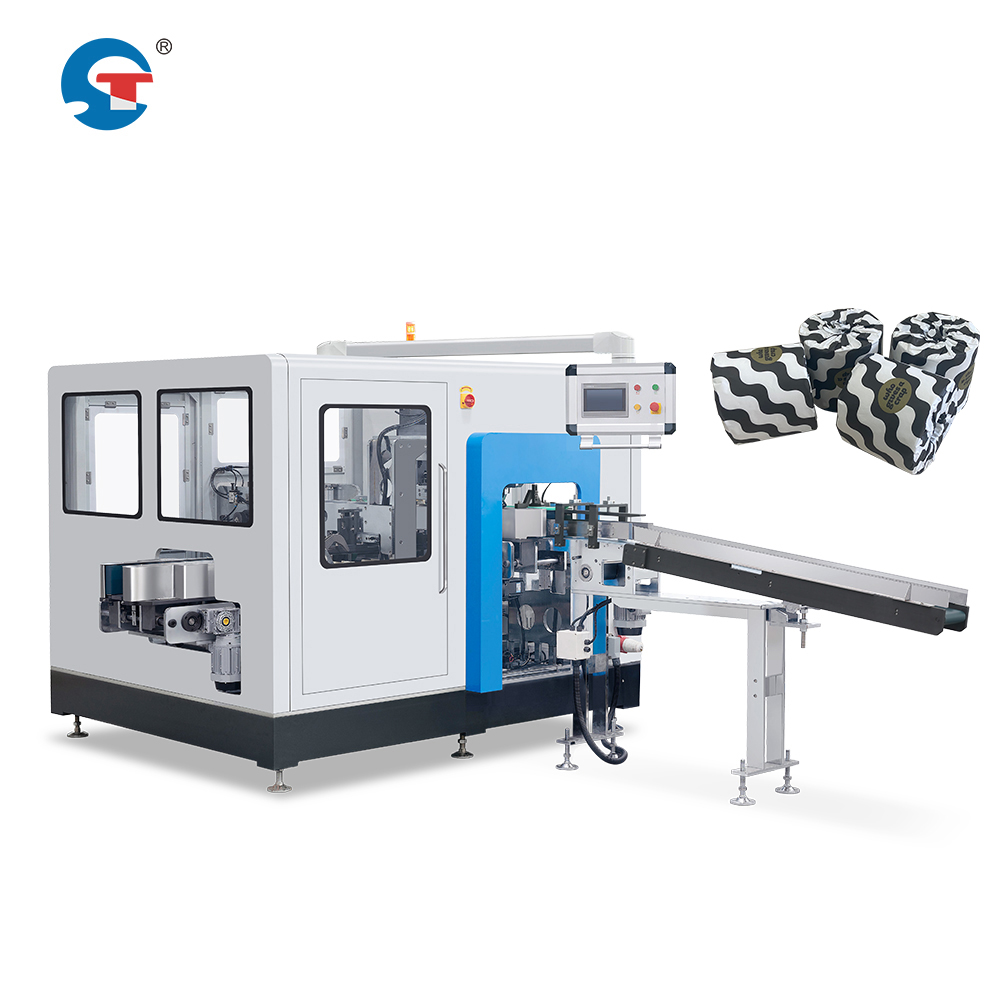
Modern tissue production demands precision, speed, and flexibility. For any hygiene paper packaging machinery manufacturer, integrating robotic palletizing units into existing operations has shifted from an optional upgrade to a competitive necessity. The question is not whether this integration is possible, but how to execute it effectively within your operational framework, cost parameters, and production goals.
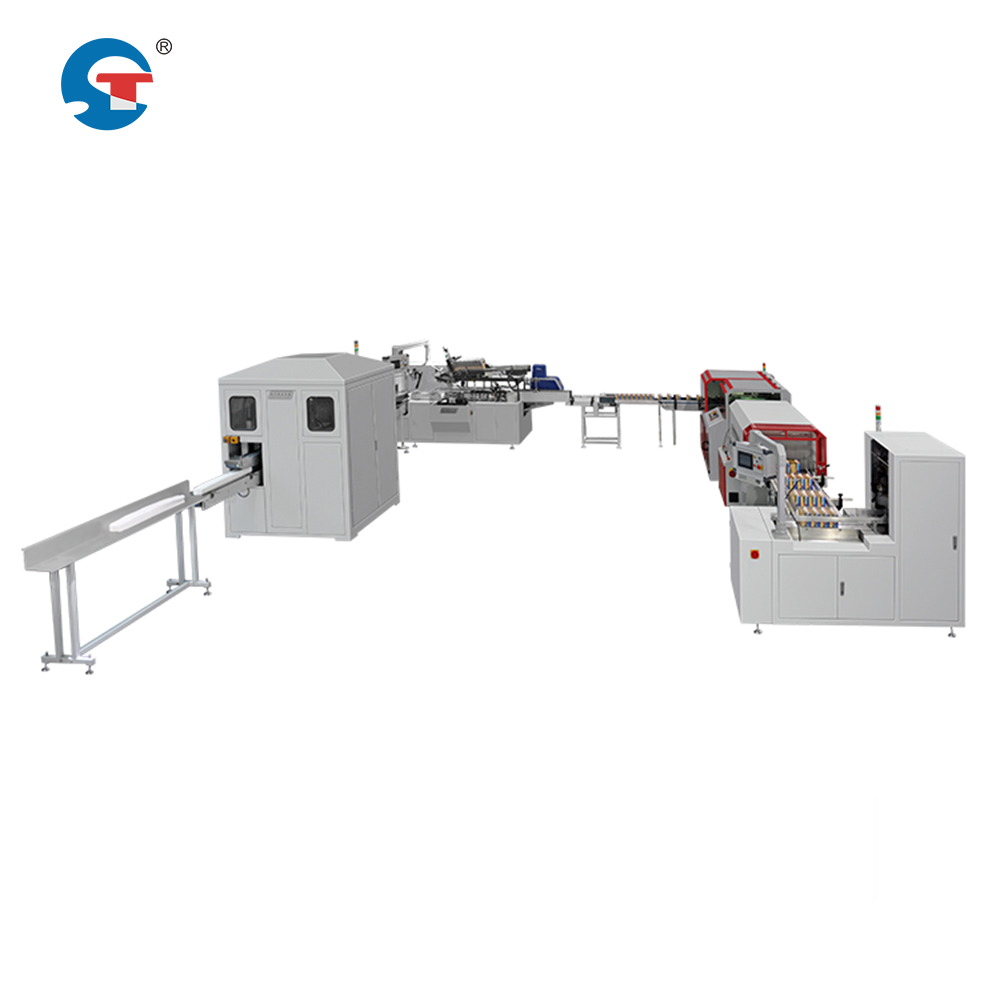
The integration of robotic arms into tissue paper packaging line automation represents a significant shift in how converting machinery operates. Robotics address the core challenges of high-speed production: consistent case erection, accurate placement, reliable stacking, and seamless load management. When properly implemented, robotic palletizing units work alongside existing sanitary paper converting machinery technology to eliminate bottlenecks, reduce labor dependency, and achieve throughput targets that manual systems cannot sustain.
Technical Feasibility of Robotic Integration
Compatibility With Existing Packaging Systems
The first step in evaluating robotic palletizing integration involves assessing your current tissue paper packaging line automation architecture. Most modern hygiene product wrapping equipment specifications include standardized interfaces, electrical controls, and mechanical mounting points designed to accommodate future automation upgrades. Your existing sanitary paper converting machinery technology likely operates on programmable logic controllers (PLCs) or industrial control systems that can communicate with robotic systems through established protocols like EtherCAT, PROFIBUS, or OPC UA.
Retrofit compatibility depends on three critical factors: the age and design of your current equipment, the modularity of your production line layout, and the technical specifications of available robotic arms. Newer tissue packaging systems already incorporate mounting rails, power distribution systems, and network infrastructure that simplify robotic integration. Even older hygiene paper packaging machinery manufacturer setups can accommodate collaborative or conventional robotic units with minimal structural modification, provided that floor space and utility access are available.
Space and Infrastructure Requirements
Robotic palletizing units require dedicated floor footprint, typically ranging from 200 to 800 square feet depending on arm reach, pallet dimensions, and buffer conveyor space. Your hygiene product wrapping equipment specifications should account for the robot's sweep radius, the positioning of incoming carton conveyors, and the outgoing pallet staging area. Power requirements for modern robotic systems generally range from 15 to 40 kilowatts, which most tissue converting facilities can accommodate within their existing electrical infrastructure.
Safety barriers, emergency stops, and personnel zones must be integrated into your sanitary paper converting machinery technology workflow. Many manufacturers implement light curtains and pressure-sensitive mats to prevent operator entry into restricted robotic work cells. These safety systems are standard requirements under industrial automation regulations and should be viewed as integral to your tissue paper packaging line automation, not as add-on expenses.
Integration Process and Operational Impact
Implementation Timeline and Workflow Integration
A typical robotic palletizing integration for a hygiene paper packaging machinery manufacturer spans six to twelve months from initial design through full production deployment. The process begins with detailed system modeling, where engineers map your current hygiene product wrapping equipment specifications against robotic capabilities. Next comes the mechanical and electrical design phase, followed by hardware procurement, factory acceptance testing (FAT), installation, commissioning, and operator training.
During integration, your sanitary paper converting machinery technology must maintain seamless data synchronization with the robotic control system. Case arrival rate, stacking patterns, pallet type, and destination routing must all communicate from your packaging line to the robot's controller in real time. Most tissue paper packaging line automation integrations employ a middleware layer that translates signals from your existing equipment into commands the robot understands, ensuring smooth handoffs without production interruption.
Production Continuity and Downtime Management
One of the largest concerns for any hygiene paper packaging machinery manufacturer is production continuity during integration. Phased implementation strategies allow you to install robotic systems while maintaining operations on existing lines. This typically involves parallel operation of robotic and manual palletizing stations during a transition period, allowing operators to gradually shift responsibility while maintaining output targets.
Your hygiene product wrapping equipment specifications should include backup protocols for robotic failures. Most installations incorporate redundant gripper tooling, quick-change interfaces, and bypass conveyor routes that allow product to continue flowing through the line even if the robot experiences downtime. This design philosophy reflects modern manufacturing reality: tissue paper packaging line automation must be resilient, not rigid.
Performance Gains and Business Value
Throughput Enhancement and Cost Reduction
Robotic palletizing units increase tissue paper packaging line automation capacity by 30 to 50 percent on average, depending on the specific sanitary paper converting machinery technology configuration and product mix. A robot can stack cases consistently at 15 to 25 cases per minute, significantly outpacing manual labor while maintaining precision across product variations. For a hygiene paper packaging machinery manufacturer processing high volumes, this throughput improvement translates directly into revenue growth without proportional facility expansion.
Labor cost reductions are equally compelling. While robotic systems require capital investment and ongoing maintenance, they eliminate the need for multiple shift operators dedicated to palletizing tasks. A single operator can now oversee multiple production lines, monitor robotic performance, and handle quality exceptions rather than performing repetitive stacking work. Over five years, most hygiene product wrapping equipment specifications justify their investment through labor savings alone.
Quality and Consistency Metrics
Robotic systems deliver superior stack consistency compared to manual palletizing. Every case is positioned identically, reducing cosmetic damage, improving warehouse handling efficiency, and lowering damage claims. Your sanitary paper converting machinery technology benefits from this consistency through reduced rework and higher first-pass quality rates. For tissue paper packaging line automation serving demanding retail customers, this reliability is a competitive differentiator.
Data collection capabilities within modern robotic systems provide real-time visibility into palletizing performance. A hygiene paper packaging machinery manufacturer gains detailed metrics on cycle times, error rates, and equipment utilization that inform continuous improvement initiatives. This transparency enables predictive maintenance, faster problem identification, and optimization of hygiene product wrapping equipment specifications for future upgrades.
FAQ
Can existing tissue packaging lines accept robotic palletizing without complete line replacement?
Yes, most existing tissue paper packaging line automation systems can integrate robotic palletizing through modular retrofits. Your current sanitary paper converting machinery technology can remain in place while robotic units are added at the end-of-line stage. However, a comprehensive assessment of your specific hygiene product wrapping equipment specifications is essential to confirm compatibility and identify necessary modifications to controls, conveyor systems, or structural support.
What are the typical capital costs for robotic palletizing integration?
Capital investment for a complete robotic palletizing system typically ranges from $400,000 to $1.2 million, depending on robot payload, reach, gripper complexity, and integration scope. A hygiene paper packaging machinery manufacturer should budget additional funds for engineering design, installation labor, control system integration, safety systems, and operator training. Many manufacturers achieve ROI within three to five years through reduced labor costs and increased throughput in tissue paper packaging line automation.
How does robotic integration affect operator skill requirements and training needs?
Robotic integration shifts operator roles from manual labor to system monitoring, troubleshooting, and equipment maintenance. Your hygiene paper packaging machinery manufacturer should invest in comprehensive training covering robotic operation, basic troubleshooting, safety protocols, and sanitary paper converting machinery technology interaction. Most operators adapt quickly once they understand how robotic systems enhance their work environment by eliminating repetitive tasks and creating career advancement opportunities in maintenance and programming.