
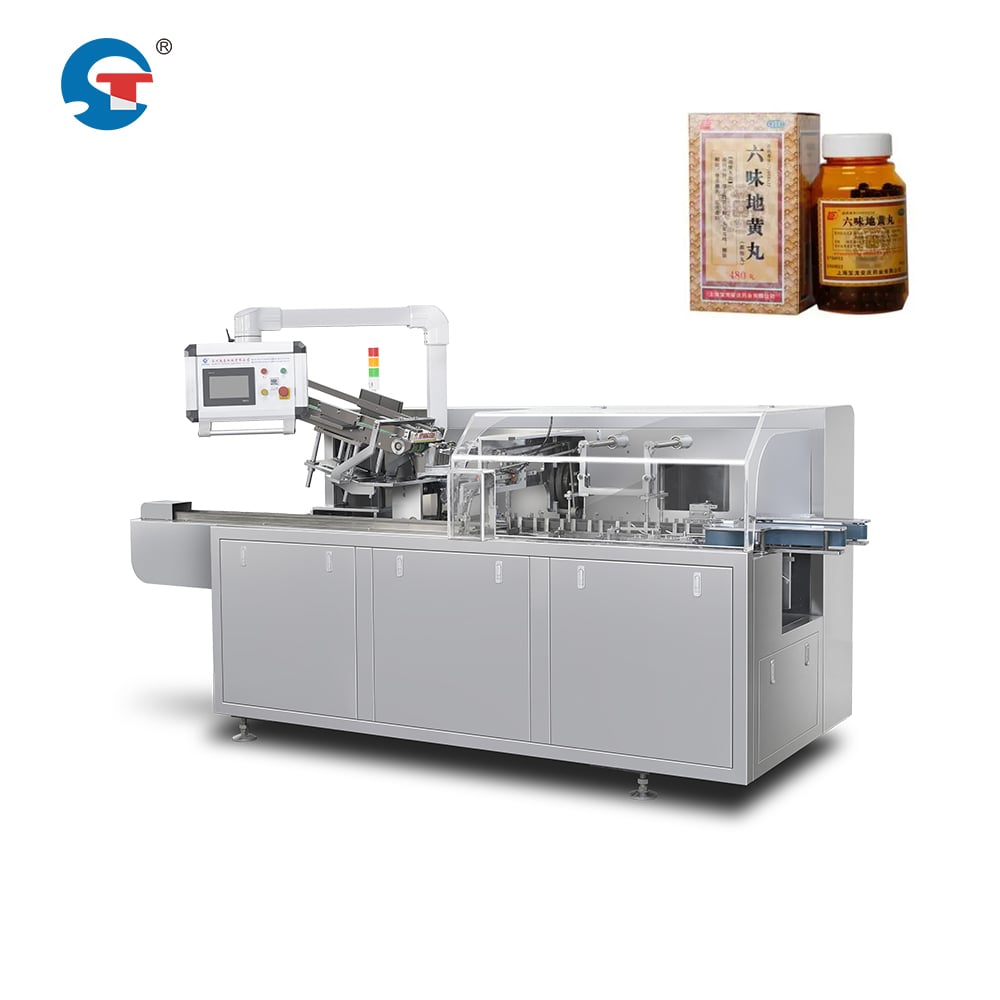
In modern pharmaceutical manufacturing, production efficiency directly impacts profitability and market responsiveness. Operators managing a pharmaceutical cartoning machine face constant pressure to minimize changeover time between product batches. Toolless changeover systems represent a significant breakthrough in this space, allowing operators to swap configurations, adjust carton formats, and recalibrate equipment without dismantling mechanical components or waiting for specialist technicians. This capability transforms production scheduling and reduces costly downtime that historically plagued traditional cartoning operations.
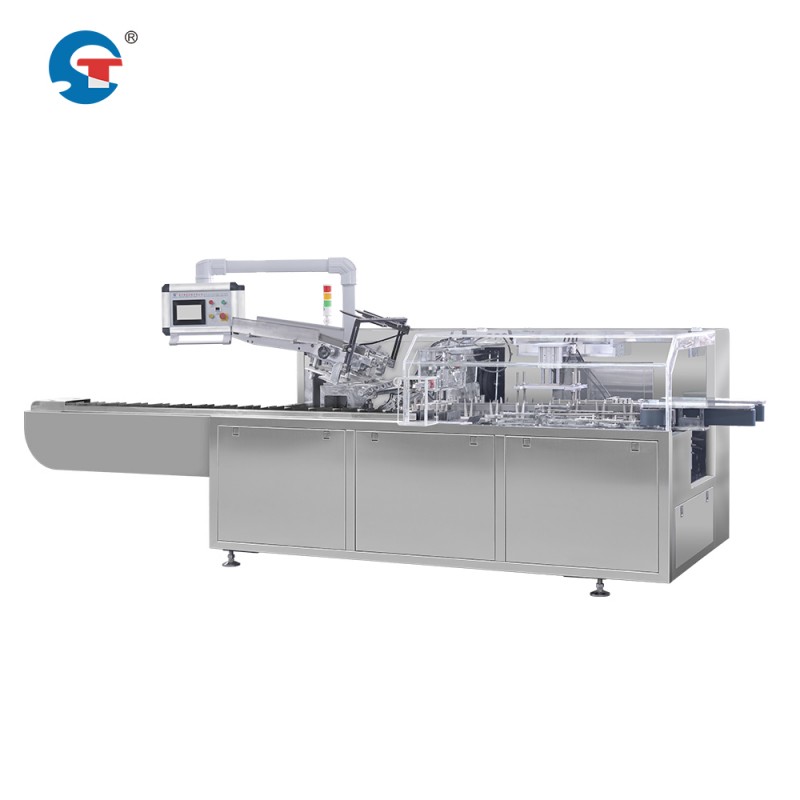
The speed at which operators can perform these changeovers depends on several factors, including machine design, operator training, product complexity, and the sophistication of the pharmaceutical packaging automation solutions integrated into the system. Modern automatic blister cartoning equipment now includes intuitive quick-change mechanisms that enable skilled operators to complete full changeovers in under fifteen minutes. Understanding what drives this speed—and how to optimize it further—is essential for any facility committed to lean manufacturing and responsive production.
Understanding Toolless Changeover Mechanisms
What Makes Toolless Design Effective
Toolless changeover systems eliminate the need for wrenches, screwdrivers, and specialized instruments during product transitions. These systems rely on spring-loaded pins, magnetic alignment guides, and quick-disconnect couplings to secure components in place. When an operator needs to change carton size, adjust infeed angles, or reconfigure ejection settings, they simply unlock the quick-release levers and slide the relevant module into the new position. The pharmaceutical packaging automation solutions embedded in these machines ensure that sensors automatically detect the new configuration and adjust control parameters accordingly.
Speed Factors in Changeover Execution
Experienced operators familiar with their specific automatic blister cartoning equipment can typically execute a toolless changeover in eight to twelve minutes. This timeline includes removing the old carton magazine, adjusting width guides, repositioning the sealing and folding components, installing the new carton magazine, and running a validation cycle. The first-time user might require twenty to thirty minutes because they must locate and understand each adjustment point. Continuous operator training and standardized changeover procedures reduce variation and keep execution times consistently rapid across all shifts.
Optimizing Changeover Speed in Production
Preparation and Planning Strategy
Facilities achieve faster changeovers through advance preparation. Before the scheduled transition, operators stage the new carton magazines, prepare dimensional specifications, and pre-position replacement guides and components near the pharmaceutical cartoning machine. Many plants maintain a dedicated changeover cart that houses all required quick-change parts for upcoming production runs. By organizing materials and reviewing the changeover checklist before downtime begins, operators reduce wasted motion and decision delays once the machine stops running.
Cartoning Machine Maintenance and Troubleshooting Preparedness
Preventive maintenance directly impacts changeover speed because a well-maintained pharmaceutical cartoning machine requires less troubleshooting during transitions. Operators should inspect quick-release mechanisms, magnetic guides, and sensor connections daily to ensure smooth operation. When components become sticky, misaligned, or corroded, changeovers slow significantly. Many facilities schedule light maintenance intervals—cleaning guides, lubricating pins, checking sensor calibration—during non-production hours. Proactive cartoning machine maintenance and troubleshooting protocols keep equipment responsive and minimize mechanical surprises that extend downtime beyond planned changeover windows.
Industry Standards and Realistic Timelines
Benchmark Performance Metrics
Leading pharmaceutical manufacturers report that properly configured automatic blister cartoning equipment achieves changeovers in five to fifteen minutes, depending on the magnitude of the product transition. A minor changeover—switching between two similar carton sizes—may take five minutes. A major changeover—transitioning from tablets to capsules with completely different carton geometry—might require twelve to fifteen minutes even with toolless mechanisms. Regulatory compliance and batch record documentation add three to five minutes to the total downtime. Understanding these realistic timelines helps production managers set achievable targets and schedule buffer time into the manufacturing calendar.
Technology Integration Impact
Modern pharmaceutical packaging automation solutions now incorporate recipe management systems that store and recall complete changeover instructions. When an operator enters a product code into the control panel, the system displays step-by-step guidance and automatically adjusts motor speeds, sensor thresholds, and timing sequences. Some advanced systems feature quick-vision alignment technology that verifies component positioning without manual checks. These technological enhancements accelerate changeovers and reduce errors, making ten-minute transitions achievable even for complex product transitions on a high-speed pharmaceutical cartoning machine.
FAQ
How much training do operators need to master toolless changeovers?
Most operators achieve proficiency after eight to twelve hours of hands-on training combined with practice on actual equipment. Initial sessions should cover the specific quick-release mechanisms on your pharmaceutical cartoning machine, the location of adjustment points, and the proper sequence for component installation. Refresher training every six months maintains consistency, especially if staffing changes occur. Supervisors should validate operator competency by timing several supervised changeovers before allowing independent execution during production runs.
Can toolless changeovers handle all product formats on a pharmaceutical cartoning machine?
Toolless mechanisms work well for carton size changes, format transitions within the same carton family, and adjustment of infeed and ejection parameters. However, extremely complex transitions—such as switching from folding cartons to rigid boxes or modifying the internal cartoning machine structure—may still require tool-assisted assembly. Most pharmaceutical packaging automation solutions can handle ninety percent of typical product transitions through toolless quick-change mechanisms alone. Always consult the equipment manufacturer to confirm which transitions fall within the toolless capability range.
What maintenance ensures toolless changeover mechanisms remain fast and reliable?
Daily visual inspection of quick-release levers, magnetic guides, and pin alignment prevents the majority of changeover delays. Weekly lubrication of moving parts keeps mechanisms smooth and responsive. Monthly sensor checks ensure that the pharmaceutical cartoning machine correctly detects each new configuration. Every six months, operators should disassemble, clean, and reassemble quick-change couplings to remove pharmaceutical dust and debris. Preventive cartoning machine maintenance and troubleshooting protocols documented in writing ensure consistency and help new operators understand the critical care points.