
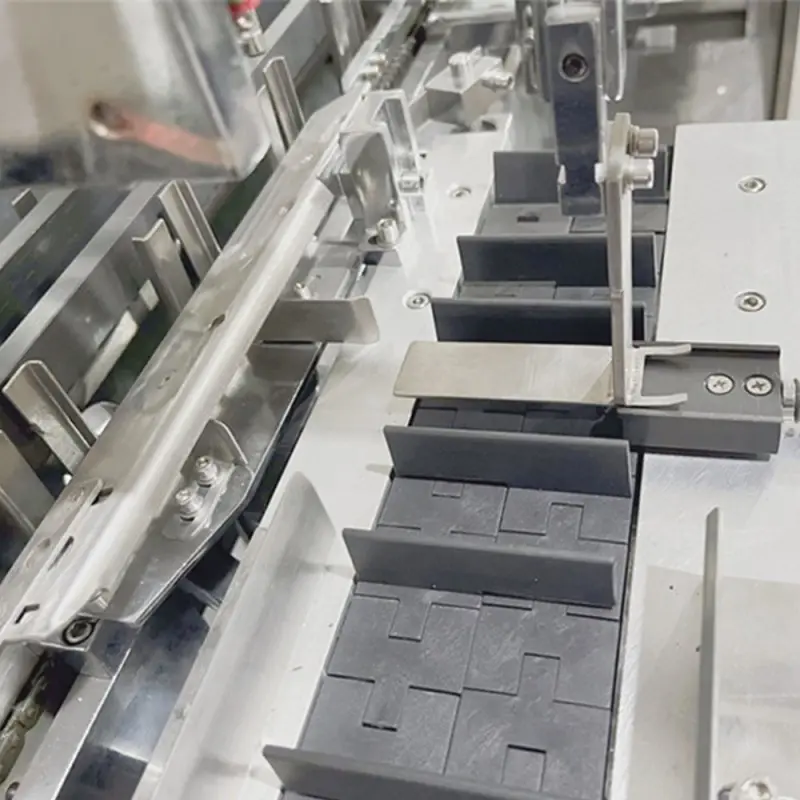
Cleanroom operation is critical in pharmaceutical and medical device manufacturing, where contamination can compromise product integrity and regulatory compliance. A trusted mask cartoning machine supplier understands these stringent requirements and designs equipment specifically to maintain dust-free environments. This commitment goes beyond standard manufacturing—it reflects decades of expertise in high-speed mask boxing machine design, material selection, and operational protocols that prevent particulate introduction at every stage of the cartoning process.
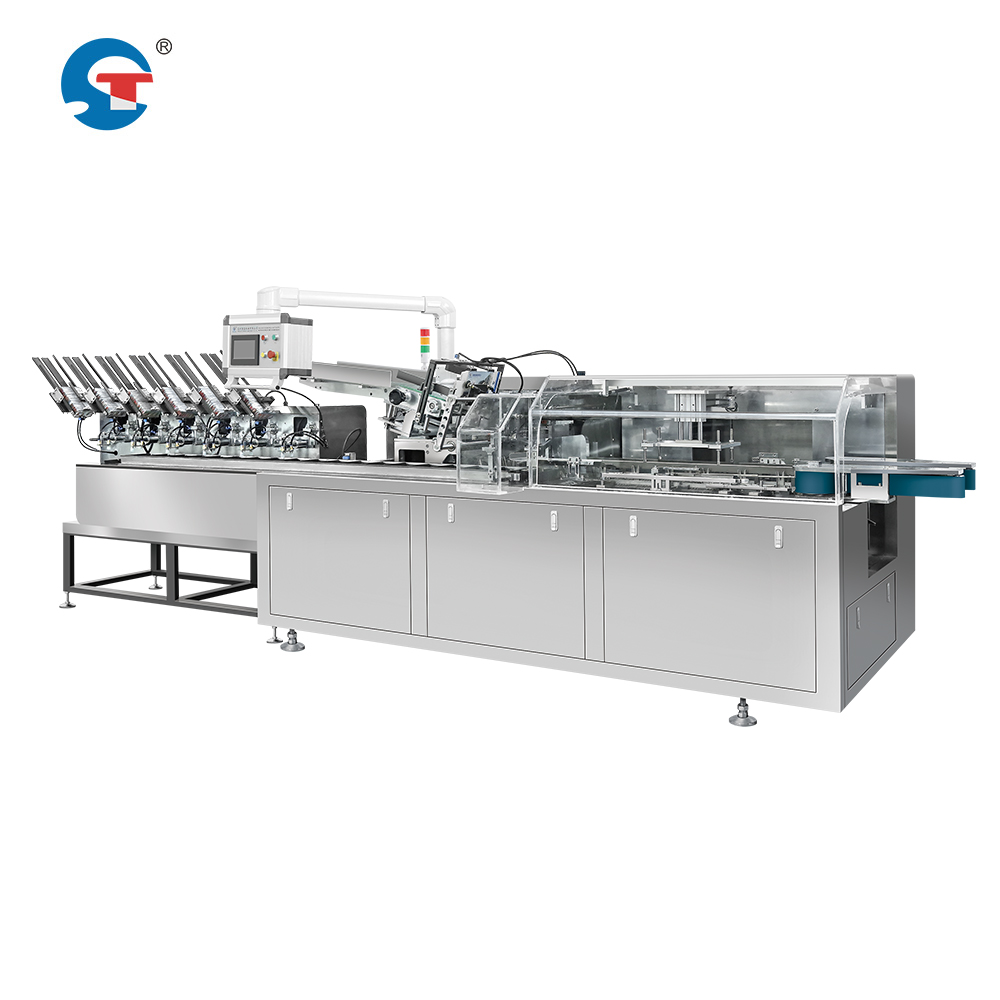
The distinction between generic automatic mask packaging equipment and cleanroom-certified cartoning systems lies in precision engineering, material compatibility, and operational design. Suppliers who specialize in cleanroom-compliant cartoning machines invest in technologies that eliminate dust generation, seal air pathways, and streamline material flow without introducing contaminants. Understanding how these suppliers guarantee dust-free operation reveals the technical depth required to protect your production environment and ensure regulatory approval for sensitive products.
Sealed System Design and Material Selection
Enclosed Cartoning Architecture
A professional mask cartoning machine supplier designs enclosed systems that minimize exposure to external air and particulates. The cartoning chamber is engineered with precision-fitted components that prevent dust ingress during pick-and-place, filling, and sealing operations. This sealed approach contrasts sharply with open-frame designs, which expose product and packaging materials to ambient contamination. High-speed mask boxing machine manufacturers achieve this enclosure through modular construction, where each functional zone—infeed, cartoning, and discharge—operates within isolated chambers connected by controlled transition points.
Material selection for internal components directly impacts dust generation. Suppliers committed to cleanroom compliance specify stainless steel, food-grade polymers, and non-shedding composite materials throughout contact surfaces. These materials resist degradation from repeated friction, preventing micro-particle shedding that could contaminate masks. The automatic mask packaging equipment undergoes rigorous material compatibility testing to confirm that no coating, lubricant, or structural element leaches particles into the cleanroom environment during standard operation.
Dust Suppression Through Surface Finish Standards
Internal surfaces of mask cartoning machine systems must meet ISO 13373 surface finish standards to minimize dust accumulation and particle generation. A mask cartoning machine supplier achieves this through electropolishing, passivation, and precision grinding of all contact points. Smooth surfaces reduce friction-induced wear and eliminate trap points where dust could lodge. This level of surface control is often unavailable in commodity automatic mask packaging equipment, making it a key differentiator when evaluating supplier capability. High-speed mask boxing machine producers incorporate these finishes as standard specification, not premium option.
Air Management and Environmental Control
Integrated Filtration and Airflow Design
Cleanroom operation depends on active management of airflow and particle introduction. A dedicated mask cartoning machine supplier integrates HEPA and ULPA filtration systems directly into machine zones that generate or receive cartoning materials. These filters prevent dust from external sources—packaging materials, ambient air, operator handling—from reaching the product or cartoning work area. The high-speed mask boxing machine operates under slight negative pressure relative to the cleanroom floor, ensuring that any unfiltered air movement flows away from critical zones rather than contaminating them. This design principle is central to how suppliers guarantee dust-free operation within broader cleanroom protocols.
Advanced automatic mask packaging equipment includes dedicated exhaust streams that route particles away from product zones and back through filtration before environmental release. This architecture prevents dust generated during carton opening, product placement, or sealing from circulating through the cleanroom. Suppliers specify air velocity, pressure differentials, and filter change intervals to maintain ISO 14644 classification compliance, typically targeting ISO Class 7 or better performance for mask cartoning operations.
Static Control and Particle Prevention
Electrostatic discharge can mobilize particulates and cause static-sensitive component damage. Professional mask cartoning machine suppliers implement comprehensive static control through grounding straps, conductive flooring interfaces, and ionization systems within the machine envelope. A high-speed mask boxing machine designed for cleanroom operation dissipates charge continuously rather than allowing static buildup that could attract or mobilize dust particles. This prevents secondary contamination pathways that commodity automatic mask packaging equipment often overlooks, providing an additional guarantee against dust introduction during high-volume production runs.
Validation, Testing, and Supplier Accountability
Qualification Protocols and Documentation
Suppliers who guarantee dust-free cleanroom operation provide comprehensive Installation Qualification, Operational Qualification, and Performance Qualification documentation. These protocols confirm that the mask cartoning machine supplier's equipment meets specified cleanliness standards under actual production conditions. Testing includes particle counting, airborne viable sampling, and surface cleanliness verification at defined points during cartoning cycles. This formal approach differentiates genuine cleanroom-compliant suppliers from those offering generic automatic mask packaging equipment without validation rigor. High-speed mask boxing machine manufacturers maintain accreditation through ISO 13485 certification and cleanroom-specific quality management standards.
Performance specifications are contractually guaranteed and periodically verified through third-party audits. A mask cartoning machine supplier commits to particle generation rates below defined thresholds and participates in ongoing monitoring to confirm compliance. This accountability ensures that mask cartoning machine price reflects the engineering rigor, testing investment, and performance guarantees embedded in the system—not simply capital cost.
Training and Operational Support
Dust-free operation depends on correct handling and maintenance protocols. Leading mask cartoning machine suppliers provide comprehensive operator training focused on contamination prevention, filter management, equipment shutdown procedures, and emergency protocols. Operators learn to recognize early signs of filter saturation, valve drift, or contamination pathways that could compromise performance. The automatic mask packaging equipment requires preventive maintenance schedules that align with cleanroom protocols—filter changes, surface cleaning, and component inspection happen in controlled sequences to prevent dust introduction during servicing. By providing this support, suppliers guarantee that their high-speed mask boxing machine maintains performance across its operational lifetime, protecting your cleanroom certification and regulatory compliance.
FAQ
What cleanroom classification must a mask cartoning machine supplier meet for pharmaceutical mask production?
Most pharmaceutical and medical device mask production operates in ISO Class 7 (100,000 particles per cubic foot) or ISO Class 8 (1,000,000 particles per cubic foot) cleanrooms. A professional mask cartoning machine supplier designs automatic mask packaging equipment capable of operating compatibly within these environments without introducing additional particulate burden. Qualification testing confirms that the high-speed mask boxing machine meets particle generation limits specified by your quality standards and regulatory requirements, typically documented through Performance Qualification studies.
How frequently should automatic mask packaging equipment undergo filter replacement and cleanroom validation?
HEPA and ULPA filters within automatic mask packaging equipment typically require replacement every 6 to 12 months depending on production volume and ambient conditions. A conscientious mask cartoning machine supplier provides filter change protocols and particle counting guidance to determine optimal replacement intervals. Annual or semi-annual Performance Qualification testing confirms that the mask cartoning machine price investment continues delivering compliant operation. Documentation of these activities protects your regulatory record and demonstrates due diligence in cleanroom management.
Can used or refurbished high-speed mask boxing machines meet cleanroom dust-free guarantees?
Refurbished automatic mask packaging equipment may meet cleanroom standards if it underwent complete component replacement, surface re-finishing, and full Performance Qualification by an accredited mask cartoning machine supplier. However, used machines typically cannot provide the same dust-free guarantees as new systems because seal integrity, surface finish, and filter baseline performance degrade with production history. A trusted supplier recommends new equipment for critical cleanroom applications where regulatory compliance and product safety depend on documented particle control from installation forward.
Table of Contents
- Sealed System Design and Material Selection
- Air Management and Environmental Control
- Validation, Testing, and Supplier Accountability
-
FAQ
- What cleanroom classification must a mask cartoning machine supplier meet for pharmaceutical mask production?
- How frequently should automatic mask packaging equipment undergo filter replacement and cleanroom validation?
- Can used or refurbished high-speed mask boxing machines meet cleanroom dust-free guarantees?