
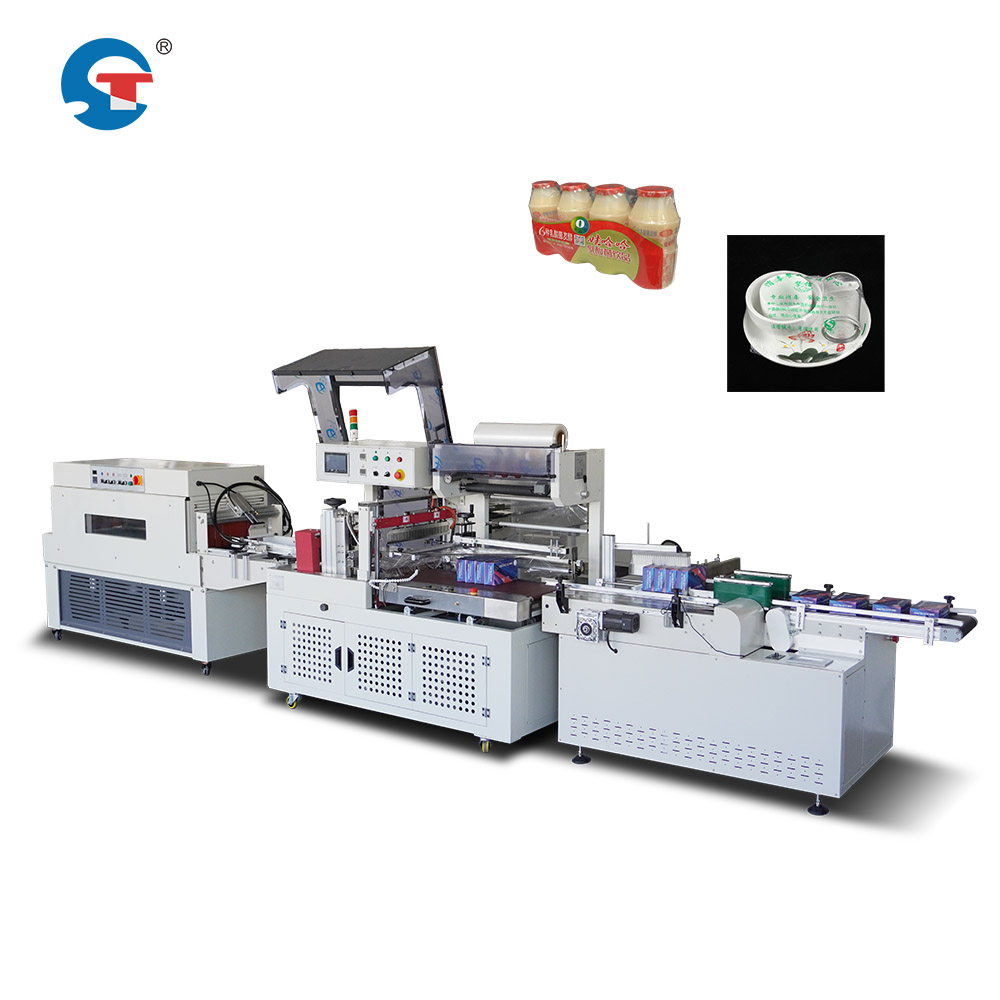
A heat shrink wrap machine is effective when it creates a consistent, secure package while fitting the product, packaging material, and production workflow. For industrial teams, performance depends on more than heat: the equipment must control film movement, sealing, temperature, and product flow. The right setup also makes automatic shrink wrap packaging equipment practical to operate and maintain.
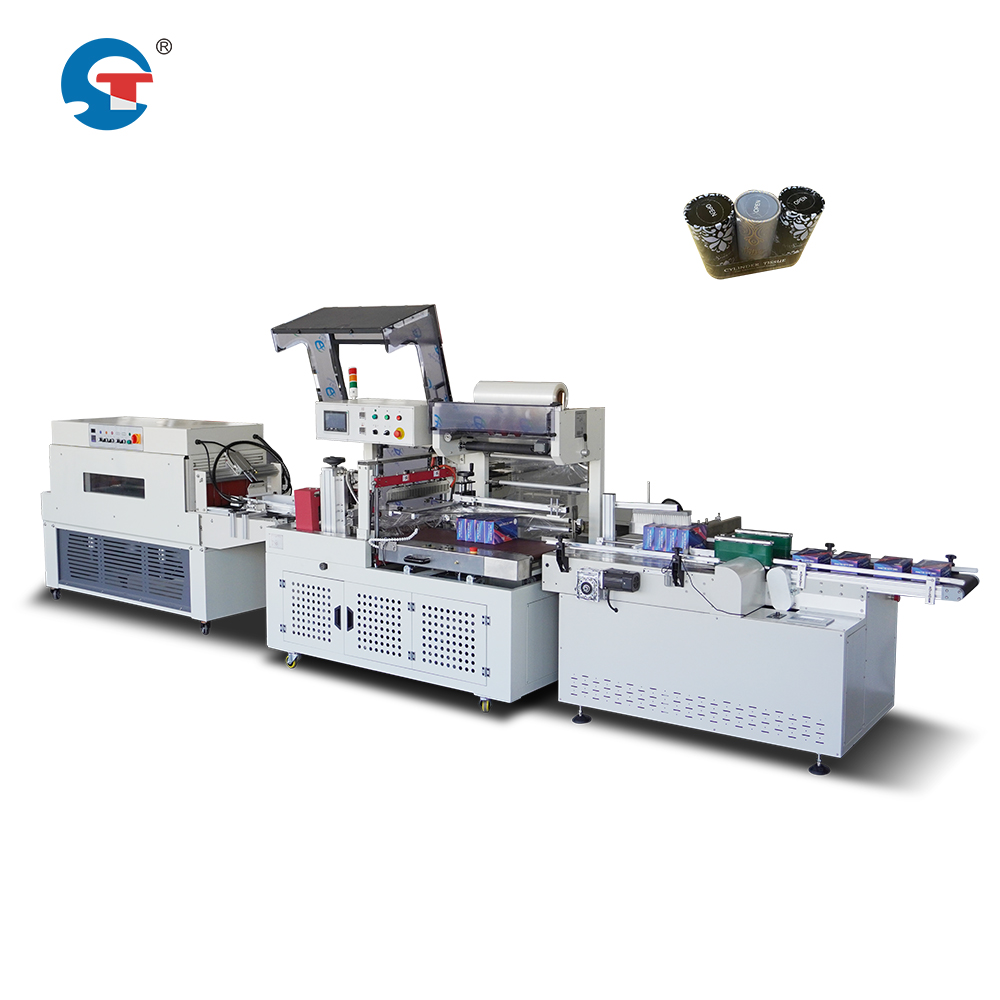
The equipment works as part of a packaging system, not as an isolated heat source. Choosing heat shrink film for industrial wrapping that suits the load, aligning the sealing and heating stages, and planning for shrink wrap machine troubleshooting and maintenance all affect daily results. Understanding these factors helps buyers judge whether a machine can meet real packaging needs.
How the Packaging Process Creates Consistent Results
Film handling, sealing, and heat work together
The machine first positions film around a product or grouped items, then seals the film and applies controlled heat. Effective automatic shrink wrap packaging equipment keeps these actions coordinated, so each package moves through the same sequence without avoidable delays. A stable feed and reliable seal create the foundation for a neat finished pack.
Material choice matters just as much as the heating stage. Heat shrink film for industrial wrapping needs to suit package dimensions, load shape, and the conditions in which goods will be handled. When film is too loose, too tight, or poorly matched to the product, the machine may produce wrinkles, weak seals, or uneven coverage.
Control settings must match the product
Temperature, conveyor speed, and dwell time influence how film responds. Effective automatic shrink wrap packaging equipment allows operators to set and repeat suitable operating conditions for the product being packed. Adjustments should be based on observed package quality and production requirements, rather than assuming one setting will suit every format.
Heat shrink film for industrial wrapping should be tested with representative products before a new run begins. Check seal strength, film tension, and the appearance of corners and edges after the package cools. This simple validation helps teams catch a mismatch early and refine settings before it affects a larger batch.
How to Match Equipment to Industrial Packaging Needs
Fit the machine to product and output requirements
Start with the product range: note package dimensions, weight, shape, and whether items are wrapped individually or grouped. Automatic shrink wrap packaging equipment should accommodate the expected variation without making routine changeovers unnecessarily difficult. Confirm that the working area and conveyor arrangement also fit the available floor space and material flow.
Production expectations help define the right configuration. Consider how often packaging formats change, how products arrive at the machine, and whether operators load or transfer them manually. Heat shrink film for industrial wrapping must be available in suitable dimensions and compatible with the intended sealing process, so material supply belongs in the equipment decision.
Check integration and operator demands
An effective system connects smoothly with upstream product preparation and downstream case packing or handling. Automatic shrink wrap packaging equipment should support the actual pace of the line, not just a stated machine speed considered in isolation. Review access for loading film, clearing packages, and performing adjustments, since restricted access can complicate ordinary production work.
Before installation, clarify utility needs, operator training, guarding, and the space needed for service access. Include shrink wrap machine troubleshooting and maintenance in planning discussions, because the team needs a clear way to inspect seals, heating components, film paths, and moving parts. These practical details help determine whether the proposed setup is manageable in the plant.
How to Sustain Reliable Performance Over Time
Use package quality as an operating signal
A clean seal and even shrink are useful indicators, but teams should also watch for recurring wrinkles, burn marks, film breaks, or packages that shift during transfer. Record the product format and operating conditions when defects appear. Shrink wrap machine troubleshooting and maintenance is more effective when operators can connect a visible symptom to a specific run or setting.
Inspect the film path and sealing area when package quality changes. A roll that is not feeding smoothly, residue near a sealing surface, or a misaligned product can disrupt the result. Shrink wrap machine troubleshooting and maintenance should begin with safe, straightforward checks before settings are changed, helping avoid adjustments that mask the underlying issue.
Material consistency also supports repeatable packaging. Confirm that the selected heat shrink film for industrial wrapping is loaded in the correct orientation and handled according to its requirements. Changes in film type or dimensions may call for a controlled trial, since existing settings may not deliver the same appearance or seal quality.
Build routine care into the production plan
A practical care schedule covers cleaning, inspection, and attention to wear points, following the equipment instructions and site safety procedures. Shrink wrap machine troubleshooting and maintenance should include checks of sealing surfaces, heating zones, conveyor movement, and protective devices. Regular attention can reveal developing problems before they interrupt a scheduled production run.
Operators should know which checks they can perform and when a qualified technician is needed. Documenting maintenance actions and recurring faults makes shrink wrap machine troubleshooting and maintenance more systematic, while reducing dependence on memory or informal handovers. Automatic shrink wrap packaging equipment performs more predictably when operating settings and service history are available to the people responsible for the line.
Keep suitable replacement materials and maintenance supplies accessible, and define a safe response for jams or irregular heating. Shrink wrap machine troubleshooting and maintenance should never rely on reaching into moving or hot areas; stop and isolate equipment as required by site procedures. Clear responsibilities help teams respond consistently without compromising safety.
Review package quality after maintenance or a material change before returning to full production. Heat shrink film for industrial wrapping may behave differently after a specification change, so confirm the seal and shrink appearance on sample packs. Automatic shrink wrap packaging equipment is most useful when the team can repeat verified settings and recognize when a new check is needed.
FAQ
What makes this equipment effective for industrial packaging?
Effectiveness comes from coordinated film feeding, sealing, heating, and product movement, supported by settings suited to the load. Automatic shrink wrap packaging equipment also needs materials compatible with the package and a workable care plan. These factors combine to produce consistent packs within the operating needs of a facility.
How should a business select the right film?
Match heat shrink film for industrial wrapping to the product’s size, shape, handling needs, and sealing method. Trial it on representative packs and examine coverage, seal quality, and finish before standardizing the material. Confirm any setting changes with a controlled production check.
What should operators do when package quality declines?
Pause to inspect the film feed, seal area, product alignment, and operating conditions using safe site procedures. Shrink wrap machine troubleshooting and maintenance should follow equipment guidance, with technical support for faults beyond routine checks. Record the issue and the corrective action to help prevent repeat disruptions.