
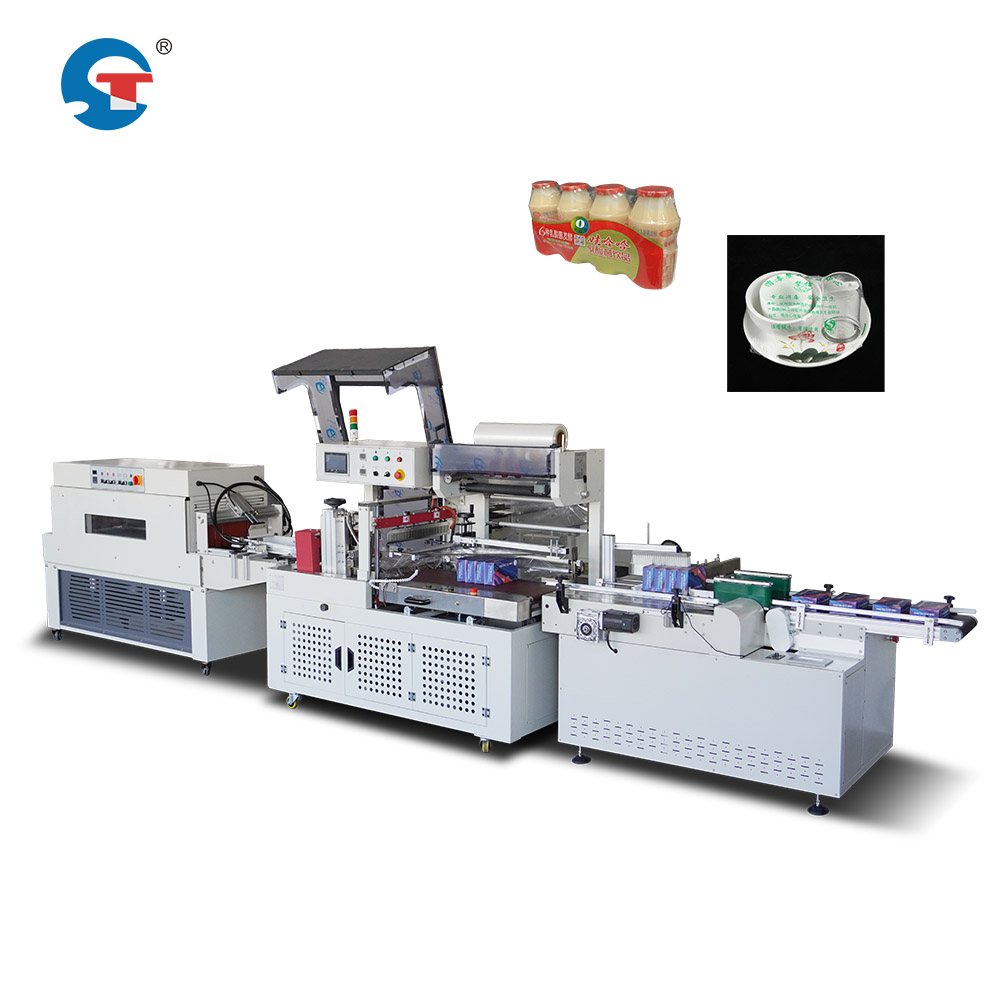
Yes, a heat shrink wrap machine can support different product packaging formats when its feed, sealing, film, and heat settings suit each item. A machine designed for cartons may also handle grouped products or other regular shapes, but compatibility depends on dimensions, pack stability, and the required finish. Reviewing automatic shrink wrap packaging equipment against actual products is more useful than assuming one setup will suit every package.
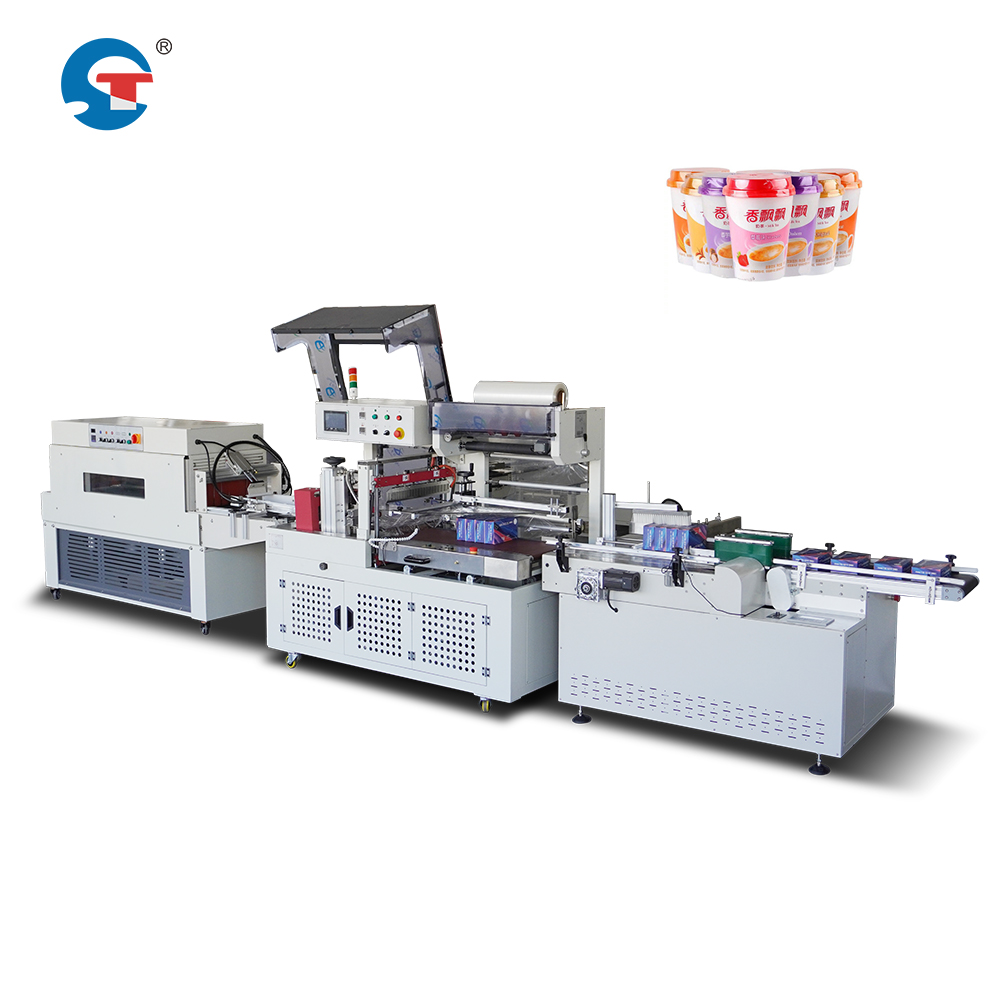
Format flexibility is not a simple yes-or-no feature. It means the machine can be adjusted to package more than one product configuration while maintaining reliable feeding, sealing, and shrink quality. Assess heat shrink film application methods alongside product dimensions and industrial wrapping machine specifications to establish which formats can run without extensive changeovers or unstable results.
Format compatibility depends on product geometry
Dimensions, shape, and pack stability
A package’s length, width, height, and shape determine whether it can pass through the infeed, sealing area, and heat zone. Automatic shrink wrap packaging equipment needs enough adjustment range for the smallest and largest packs, while guides must keep each item aligned. When comparing formats, record the finished pack dimensions rather than relying only on the individual product measurements.
Regular cartons generally present predictable faces for sealing and support. Bundles, soft packs, or uneven products may shift as film is applied, so the handling system and seal arrangement matter as much as nominal size. Heat shrink film application methods should suit the package shape, and industrial wrapping machine specifications should identify practical limits for product height, width, and spacing.
Package presentation and protection needs
Different formats can call for different presentation outcomes. A single boxed item may need a close, neat overwrap, while a multipack needs film to hold the units together without hiding important labels. A heat shrink wrap machine can handle these differences only when the chosen film, sealing pattern, and settings match the product and its intended appearance.
Review automatic shrink wrap packaging equipment for how it positions products and controls film around corners, edges, and open spaces. For items with protrusions or delicate surfaces, trial heat shrink film application methods before approving a format change. Confirm industrial wrapping machine specifications include the clearances and adjustment points needed to keep each package stable through the sealing cycle.
Machine adjustments make format changes practical
Film, sealing, and heat settings
Changing package format can require a different film width, roll position, seal length, or temperature. The correct heat shrink film application methods balance a secure seal with an even finish; excessive heat may distort sensitive packaging, while insufficient heat can leave loose film. Operators should document settings by product format so a repeat run does not depend on guesswork.
Automatic shrink wrap packaging equipment may offer adjustable sealing components and conveyor speeds, but adjustment range varies by design. Check industrial wrapping machine specifications for the available control settings and the dimensions they support. A heat shrink wrap machine is more versatile when change points are accessible, clearly marked, and repeatable across scheduled production runs.
Changeover workflow and line integration
A format change involves more than replacing a film roll. Operators may need to reposition guides, alter infeed spacing, check sealing alignment, and test the pack through the heat zone. For automatic shrink wrap packaging equipment, define a changeover sequence that covers each adjustment and verifies the first acceptable package before full production resumes.
Assess how the wrapping station connects with upstream product delivery and downstream packing. A format that fits the machine may still cause interruptions if products arrive inconsistently or finished packs do not suit the next conveyor. Heat shrink film application methods should be validated with the full line, while industrial wrapping machine specifications help establish installation, operating, and clearance requirements.
Selection requires representative format testing
Build a realistic product trial
Prepare samples that represent the actual range: minimum and maximum dimensions, different package shapes, and any grouped configuration. Run each through the proposed heat shrink wrap machine using the intended film. Evaluate feed consistency, seal integrity, film tension, finished appearance, and whether operators can make adjustments without disrupting adjacent production tasks.
Trials should reflect normal materials and operating conditions, not just a carefully prepared sample. Automatic shrink wrap packaging equipment should be assessed for repeatable results across multiple cycles. Record heat shrink film application methods and settings for each tested format, then compare results against industrial wrapping machine specifications to identify any dimensional or process constraints.
Define limits before production planning
Format support has practical boundaries. Products outside the machine’s working range, packs that cannot remain stable, or films that do not seal reliably may require a different process or additional handling. A heat shrink wrap machine should be approved for the formats demonstrated in trials, rather than treated as universally compatible based on a single successful package.
Document approved dimensions, film type, settings, changeover steps, and quality checks for every format. This gives production and maintenance teams a shared reference and makes future product launches easier to evaluate. Revisit automatic shrink wrap packaging equipment needs when pack designs change, and check industrial wrapping machine specifications before adding sizes or increasing line demands.
FAQ
Can one machine wrap cartons and multipacks?
Often, if the dimensions and handling needs fall within the machine’s adjustment range. Test both formats with their intended film and confirm stable feeding, seals, and finish. Automatic shrink wrap packaging equipment should be selected based on tested pack configurations rather than the product category alone.
What should be checked before changing film?
Confirm film compatibility, width, seal behavior, and the heat settings needed for the product. Validate heat shrink film application methods through a production-representative trial, then document results so operators can repeat the approved setup safely and consistently.
Which specifications matter most for format flexibility?
Check the supported product dimensions, adjustment range, sealing capacity, and operating requirements. Industrial wrapping machine specifications provide a starting point, but practical trials show whether the intended formats run reliably on the actual line.