
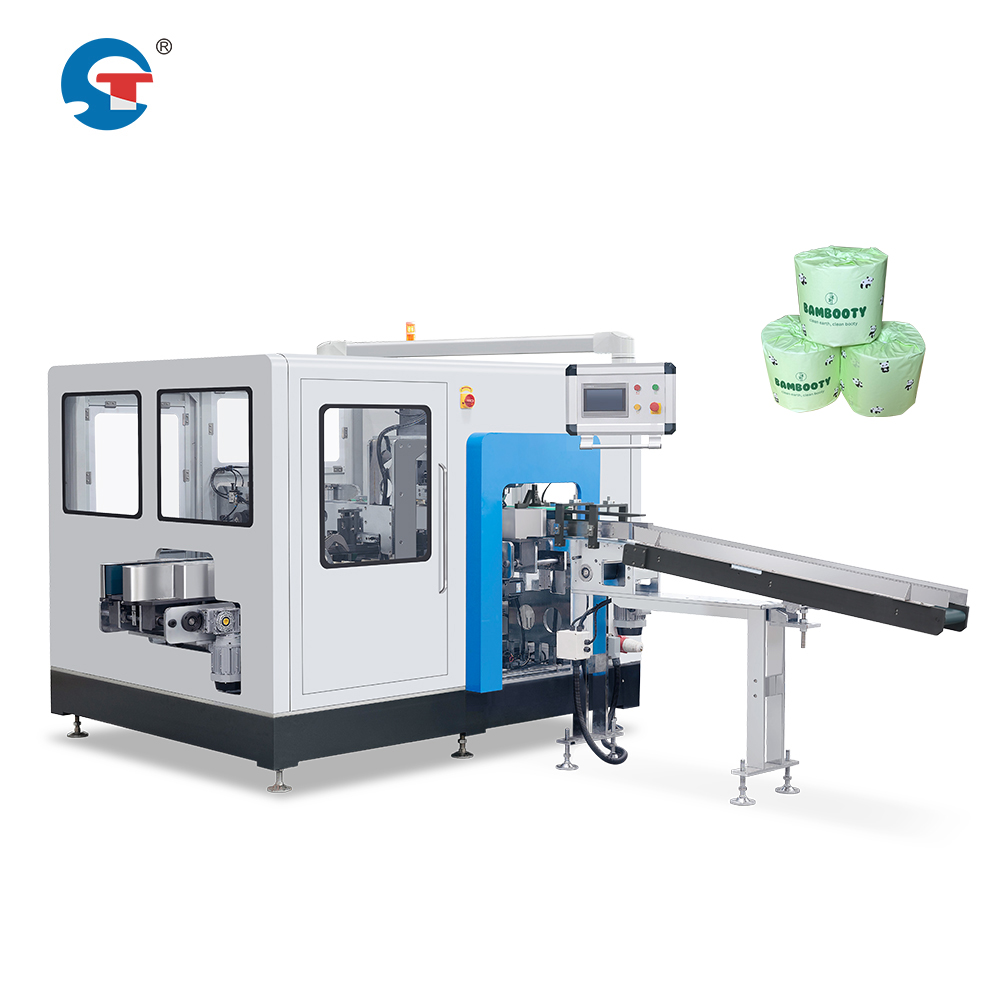
Contract packagers who work with hygiene products face mounting pressure to ensure consistent quality, regulatory compliance, and operational efficiency. One critical step often overlooked is conducting a thorough audit of your hygiene paper packaging machinery manufacturer. This evaluation goes beyond simply checking equipment specifications on paper. It involves assessing manufacturing capabilities, quality control practices, technical support infrastructure, and alignment with your production demands. An audit protects your supply chain, reduces downtime risk, and ensures the machinery delivered meets both your expectations and regulatory standards.
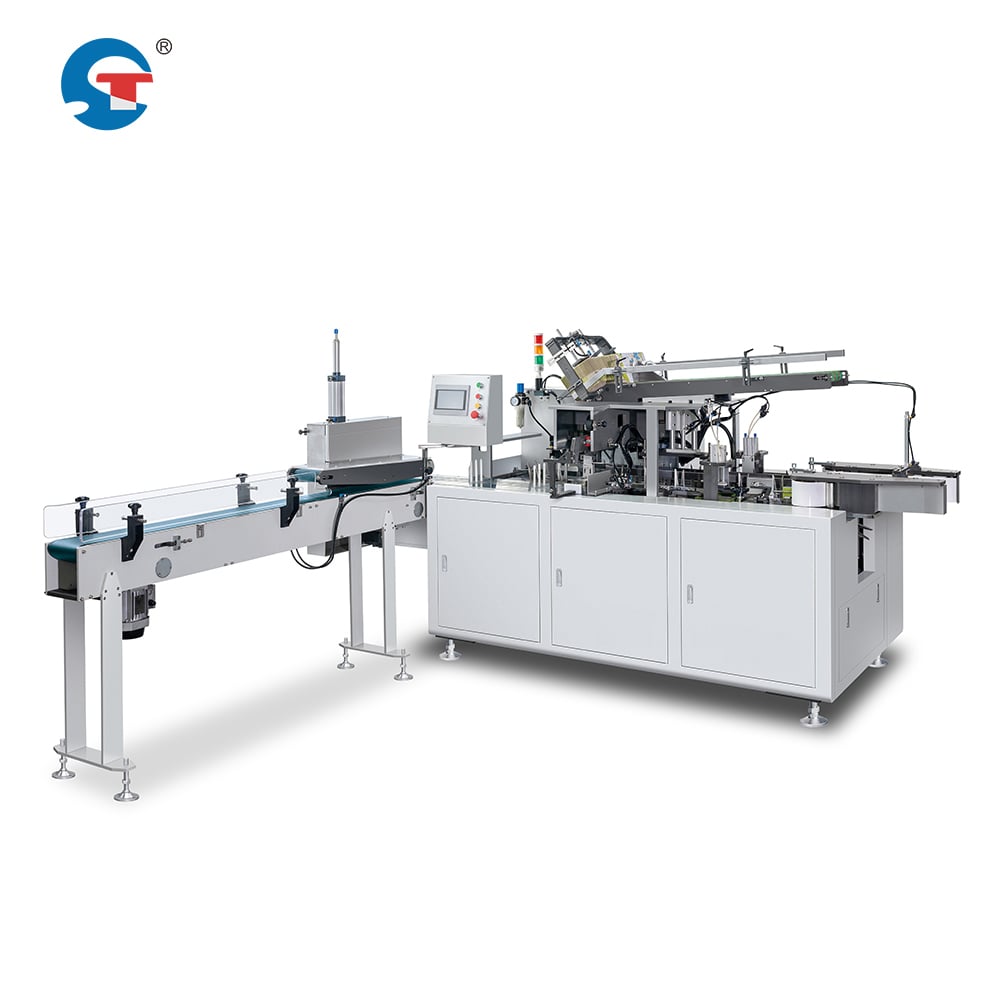
The tissue paper converting equipment production line you select will directly influence your output quality, cost structure, and customer satisfaction. A manufacturing partner audit identifies potential vulnerabilities before they become costly failures. You gain confidence that automated sanitary paper wrapping machine technology is built to last, that spare parts availability is reliable, and that technical expertise is accessible when you need it. This proactive approach separates successful contract packagers from those who face unexpected disruptions and quality issues.
Understanding the Audit Scope for Hygiene Paper Equipment
Why Equipment Quality Matters in Contract Packaging
The hygiene paper packaging machinery manufacturer you choose sets the foundation for your entire operation. Tissue paper converting equipment production line quality directly impacts your ability to meet customer deadlines, maintain consistent packaging standards, and manage costs effectively. Poor manufacturing practices at the source lead to equipment failures, inconsistent performance, and costly downtime. When you audit a manufacturer, you verify that their design philosophy, component selection, and assembly standards align with your operational requirements. This verification is not optional for contract packagers handling high-volume orders or sensitive product specifications.
Key Areas That Demand Evaluation
A comprehensive audit examines multiple dimensions of the manufacturer's operation. You should assess their production facilities, quality control systems, engineering depth, customer support capabilities, and track record with similar clients. Automated sanitary paper wrapping machine technology requires precision engineering, and your audit should confirm the manufacturer invests in testing, calibration, and quality assurance. Look at their equipment documentation, spare parts inventory, and technical training resources. These elements reveal whether the manufacturer views customer success as an ongoing partnership or a one-time transaction.
Manufacturing and Quality Control Standards
Verifying Production Capabilities
During your audit, inspect the manufacturer's production floor directly. Observe how tissue paper converting equipment production line units are assembled, tested, and packaged. Ask to see documentation of quality checks at each assembly stage. Does the manufacturer conduct pressure tests, dimensional verification, and operational trials before shipment? Are there written standards for component acceptance, or are decisions made ad-hoc? The presence of structured quality protocols indicates a professional operation committed to consistency. You should also verify that the manufacturer has the technical capacity to customize equipment for your specific packaging requirements or line speed demands.
Certification and Compliance Standards
Hygiene product packaging operates under strict regulatory frameworks in most markets. Your audit must confirm that the automated sanitary paper wrapping machine technology meets relevant standards, whether ISO certifications, food safety guidelines, or hygiene-specific regulations. Ask the manufacturer for documentation of certifications, compliance testing results, and any third-party audits they have undergone. Verify that spare parts and consumables are sourced consistently and that the manufacturer can guarantee component availability for the equipment's entire lifespan. Regulatory compliance is non-negotiable, and a manufacturer's commitment to certifications reflects their professionalism and market awareness.
Technical Support and Long-Term Partnership Viability
Assessing Support Infrastructure
A manufacturer's technical support quality often determines whether equipment operates smoothly or becomes a constant source of frustration. During your audit, evaluate their support team's expertise, response time commitments, and availability across time zones if you operate globally. Ask about their troubleshooting process, escalation procedures, and average resolution times. Does the manufacturer provide onsite training for your operators? Are technical manuals comprehensive and available in your language? Can they offer remote diagnostics or support? For disposable hygiene product packaging solutions, where uptime directly impacts revenue, support infrastructure is not a luxury—it is essential.
Spare Parts and Maintenance Accessibility
Equipment breakdowns are inevitable, and what separates good manufacturers from problematic ones is how quickly they resolve issues. Your audit should verify that the hygiene paper packaging machinery manufacturer maintains an adequate spare parts inventory and has a clear supply chain for critical components. Ask about lead times for common parts and what happens if a component becomes obsolete. Confirm that the manufacturer documents equipment configurations in a way that allows easy troubleshooting and future maintenance. Request a maintenance schedule and understand what regular upkeep is required for tissue paper converting equipment production line units. A manufacturer who makes spare parts difficult to obtain or prohibitively expensive is not a partner worth retaining.
FAQ
What are the main risks of not auditing a hygiene paper packaging machinery manufacturer?
Skipping an audit exposes you to equipment failures, poor quality control, unreliable support, and potential regulatory non-compliance. Without verification, you may discover too late that the manufacturer cuts corners on testing, uses inconsistent component sources, or lacks the technical depth to support your operation. These failures lead to production delays, customer complaints, and unexpected replacement costs. An audit prevents these scenarios by validating the manufacturer's capability and commitment before you commit capital and operational dependency.
How often should contract packagers conduct re-audits of their manufacturer?
Initial audits should occur before any significant purchase commitment, but ongoing monitoring remains important. Conduct follow-up audits every 2–3 years or if you notice quality changes, staffing turnover, or new product introductions. If the automated sanitary paper wrapping machine technology you use undergoes design updates or if you expand to new product lines, an additional audit ensures the manufacturer's capability remains aligned with your needs. Re-audits also provide an opportunity to assess improvements the manufacturer may have made in their facilities, quality systems, or support infrastructure.
What should you do if your audit reveals deficiencies in the manufacturer?
If the audit uncovers significant deficiencies, you have several options. First, document your findings and discuss them directly with the manufacturer, giving them a chance to explain and commit to improvements. For minor issues, a remediation timeline may be acceptable. For serious concerns regarding quality, compliance, or support capacity, you should consider seeking an alternative supplier or renegotiating terms to include performance guarantees. Never proceed with a problematic manufacturer hoping issues will resolve themselves. Protect your contract packaging business by establishing clear standards and following through with enforcement.