
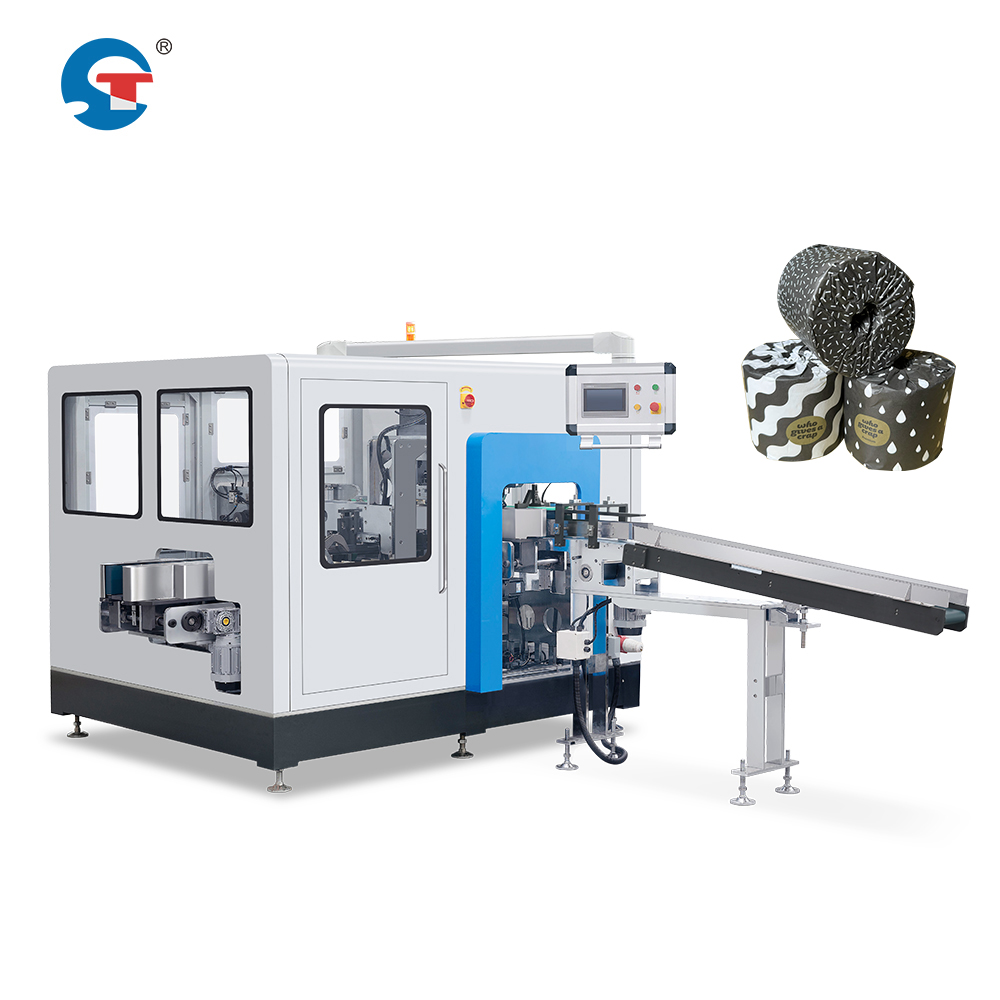
Modern tissue production facilities face a critical challenge: wrapping bottlenecks that slow down entire production lines and reduce output capacity. A specialized hygiene paper packaging machinery manufacturer addresses this precise problem by engineering solutions that streamline the wrapping process, eliminate downtime, and maximize throughput. Understanding how these manufacturers solve tissue roll wrap bottlenecks reveals the technical innovations driving the sanitary products industry forward.
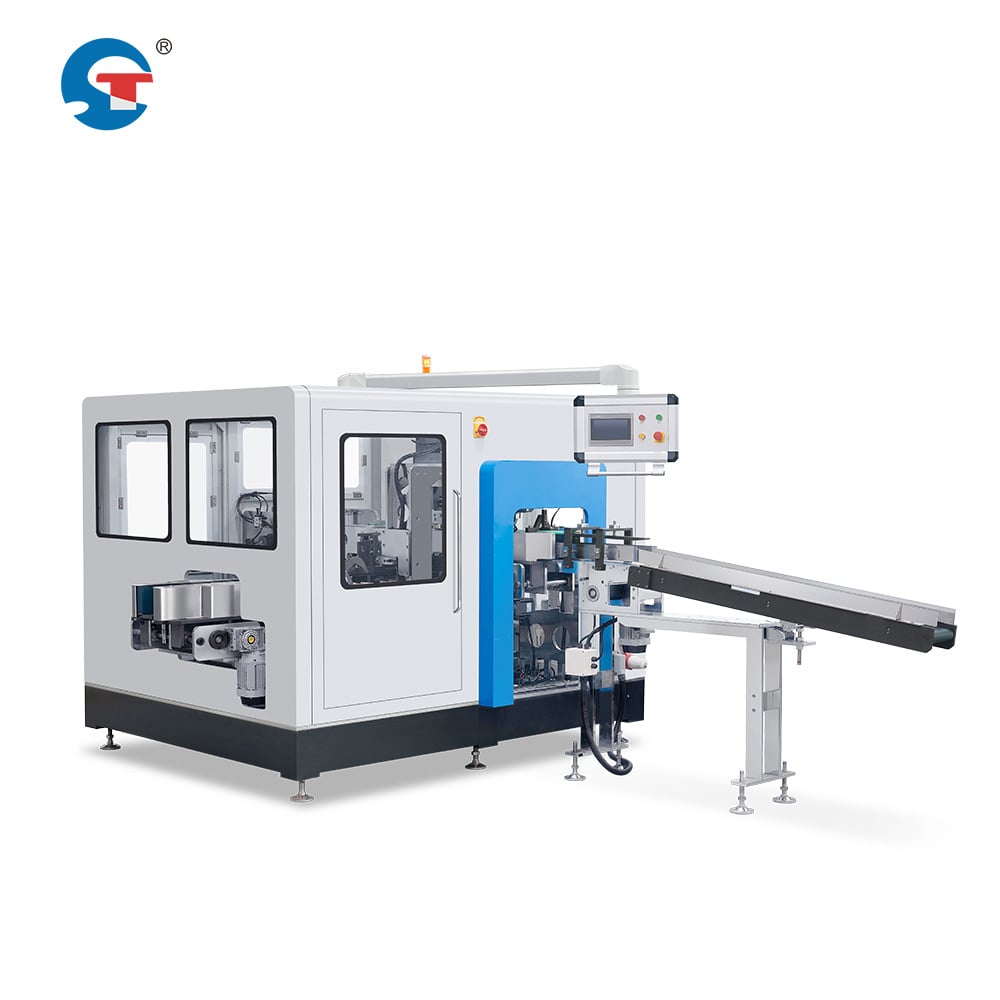
The tissue paper packaging equipment specifications have evolved dramatically to meet growing global demand for hygiene products. Modern manufacturers recognize that bottlenecks in wrapping operations directly impact profitability, waste rates, and customer delivery timelines. By investing in advanced packaging solutions, production facilities can dramatically increase rolls per minute while maintaining consistent quality and reducing material waste during the wrapping cycle.
Understanding Tissue Roll Wrap Bottlenecks
The Root Causes of Production Slowdowns
Tissue roll wrapping bottlenecks typically emerge from several interconnected operational challenges. Inadequate equipment speed, inconsistent film tension, and manual intervention points create cumulative delays that cascade through the production line. When wrapping machines cannot match upstream production speeds, rolls accumulate at feed points, forcing line operators to reduce overall facility throughput. Additionally, frequent changeovers between roll sizes and wrapper configurations compound these delays, consuming valuable production time.
Traditional wrapping systems rely on mechanical timers and manual adjustments, making them vulnerable to consistency problems. Film breakage, wrapper misalignment, and adhesive application errors interrupt continuous operation. These recurring issues force maintenance shutdowns and rework cycles that compress production windows and inflate per-unit costs. A professional hygiene paper packaging machinery manufacturer addresses these root causes through integrated automation and precision engineering.
Impact on Overall Production Efficiency
Production bottlenecks in wrapping stages create immediate financial consequences. When wrapping lags behind upstream roll production, manufacturers face a choice between slowing the entire line or accumulating unwrapped inventory. Either option reduces daily output and strains facility capacity. The ripple effect extends beyond production metrics: delayed shipments, customer dissatisfaction, and inability to fulfill rush orders all stem from wrapping inefficiencies.
Material waste also increases significantly during bottleneck periods. Frequent manual interventions and line stops encourage operators to discard partially wrapped rolls rather than troubleshoot complex recalibrations. Film waste, adhesive overuse, and damaged products accumulate quickly, directly reducing profit margins on every batch.
Advanced Solutions from Equipment Manufacturers
Automated Sanitary Napkin Production Line Technology Integration
Leading hygiene paper packaging machinery manufacturers now integrate automated sanitary napkin production line technology principles into tissue wrapping systems. Modern wrapping machines feature servo-driven systems that synchronize precisely with upstream production speeds, eliminating the manual speed matching that plagued earlier generations. These systems adjust film tension dynamically, respond instantly to width variations, and maintain perfect timing across multiple wrapper stations simultaneously.
Advanced tissue paper packaging equipment specifications include ultrasonic sealing systems, real-time defect detection, and predictive maintenance sensors. Ultrasonic welding replaces mechanical pressing, delivering superior seal strength with zero heat damage to tissue. Computer vision systems scan every wrapped roll, identifying misalignments or film defects before they reach packaging stages, enabling immediate corrections without production pauses. These integrated capabilities directly eliminate wrapping bottlenecks by maintaining continuous operation even as input speeds vary.
Disposable Hygiene Product Wrapping Machine Solutions
Disposable hygiene product wrapping machine solutions address the specific demands of tissue packaging with specialized features. Quick-change cartridge systems enable operators to switch between roll sizes in under two minutes, compared to thirty minutes for traditional equipment. This flexibility allows manufacturers to run multiple SKUs sequentially without extended downtime, maximizing line utilization across diverse product portfolios.
Modern wrapping machines now incorporate modular designs that scale from 40 rolls per minute to over 180 rolls per minute depending on facility requirements. This scalability means manufacturers can select tissue paper packaging equipment specifications matched precisely to their current capacity needs while preserving upgrade pathways as demand grows. Integrated moisture control systems maintain optimal film handling conditions across seasonal temperature variations, preventing the film brittleness and adhesive failures that commonly trigger bottlenecks.
Implementation and Optimization Strategies
Selecting the Right Equipment for Your Facility
Choosing appropriate wrapping solutions requires careful assessment of current production metrics and future growth plans. A reputable hygiene paper packaging machinery manufacturer conducts detailed facility audits, measuring current bottleneck severity, identifying specific failure points, and projecting capacity requirements across three to five year horizons. This analysis reveals whether incremental equipment upgrades suffice or whether complete line replacement offers superior ROI.
Critical tissue paper packaging equipment specifications to evaluate include seal strength consistency, defect detection accuracy, changeover speed, and maintenance accessibility. Machines featuring modular architecture and standardized part suppliers reduce long-term ownership costs and minimize supply chain dependencies. Facilities should prioritize equipment with documented operator training programs and responsive technical support, ensuring teams can troubleshoot minor issues independently rather than waiting for manufacturer service visits.
Training and Continuous Improvement
Equipment capabilities remain underutilized without comprehensive operator training and systematic performance monitoring. Leading hygiene paper packaging machinery manufacturers now provide extensive training covering normal operation, predictive maintenance checks, and troubleshooting procedures. Operators equipped with this knowledge identify developing problems weeks before catastrophic failures occur, scheduling maintenance during planned downtime rather than suffering unexpected production interruptions.
Continuous improvement processes paired with automated sanitary napkin production line technology principles generate sustained efficiency gains. Facility managers establish baseline metrics across rolls per minute, defect rates, and changeover durations. Monthly performance reviews identify emerging patterns and opportunities for parameter optimization. Accumulated small improvements often deliver 8 to 12 percent throughput increases annually, directly addressing chronic bottleneck conditions without major capital expenditure.
FAQ
What specific bottleneck issues does automated tissue wrapping technology address?
Automated wrapping equipment eliminates speed mismatches, reduces film handling errors, minimizes changeover delays, and prevents adhesive application failures that plague manual systems. By maintaining consistent tension, optimizing seal timing, and providing real-time quality monitoring, disposable hygiene product wrapping machine solutions keep production flowing continuously, directly resolving the accumulation problems that force line slowdowns and output losses.
How do hygiene paper packaging machinery manufacturers ensure compatibility with existing production lines?
Professional manufacturers conduct comprehensive integration assessments before installation, evaluating conveyor speeds, film specifications, and control system protocols. Advanced tissue paper packaging equipment specifications now feature interface modules that translate signals from legacy upstream equipment, enabling seamless operation without replacing functioning components. This compatibility focus allows facilities to adopt modern wrapping solutions incrementally, protecting existing investments while gaining immediate productivity improvements.
What ROI timeline should manufacturers expect from upgraded wrapping equipment?
Most facilities achieve full return on investment within 18 to 24 months through combined savings: increased throughput, reduced material waste, and lower maintenance costs. Some operations with severe existing bottlenecks see payback periods under twelve months. Automated sanitary napkin production line technology integration typically generates 15 to 25 percent annual efficiency improvements, meaning every month of operation generates measurable cost reduction and capacity gains that directly strengthen business competitiveness.