
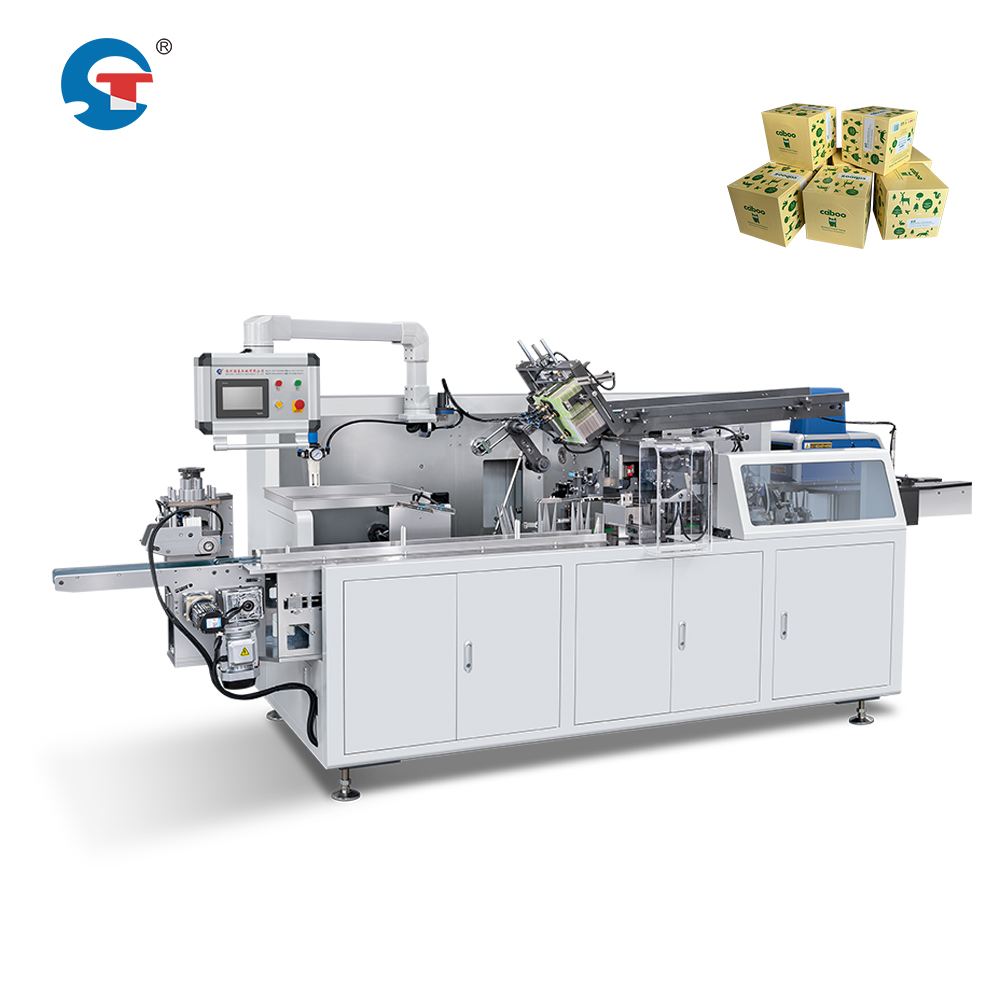
Factory expansion demands strategic equipment investments that directly impact production capacity, labor costs, and operational efficiency. An auto cartoner machine represents one of the most critical infrastructure upgrades for manufacturers scaling production. These systems automate the process of forming, filling, sealing, and erecting cartons, eliminating manual bottlenecks that constrain growth. When factories expand, the traditional labor-intensive packaging approach becomes economically unsustainable, making an auto cartoner machine not just beneficial but essential for maintaining competitive margins and meeting increased demand.
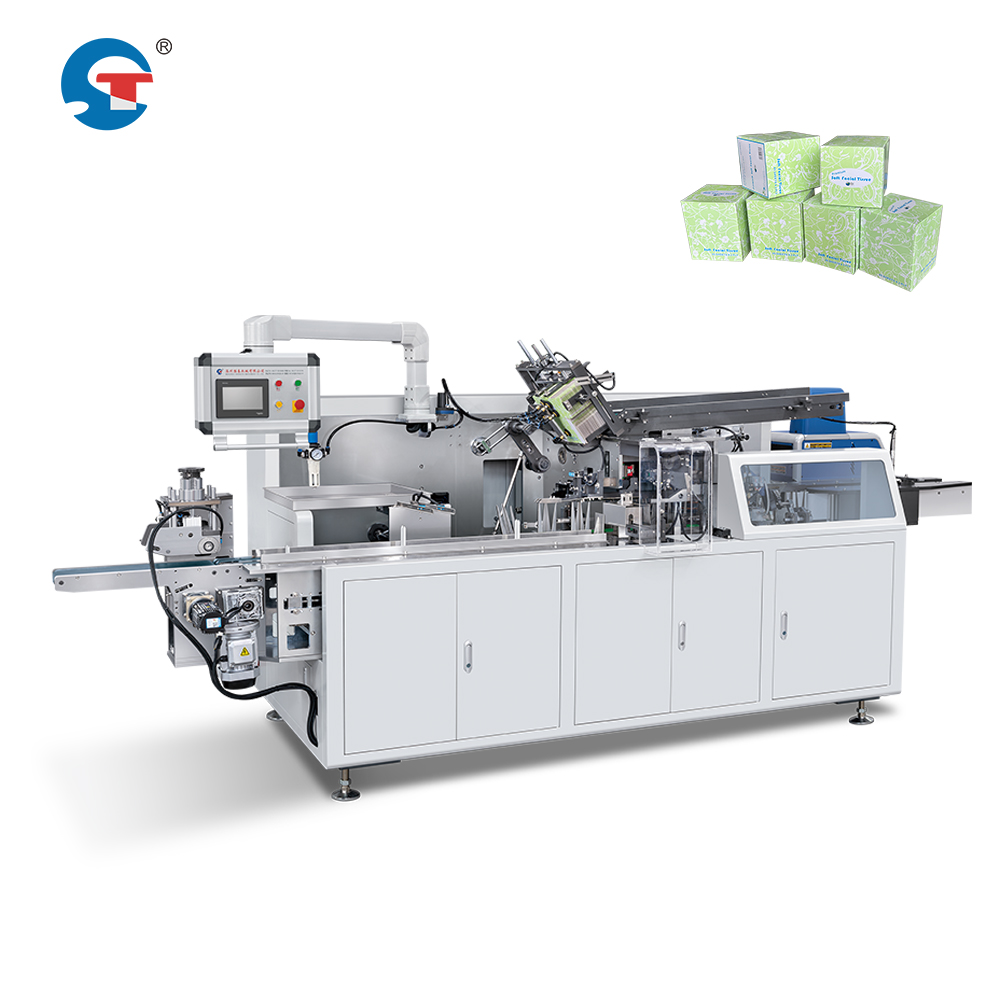
The decision to implement an auto cartoner machine during factory expansion is fundamentally a question of scalability. As production volumes increase, manual packaging workflows create severe operational constraints that prevent facilities from realizing their full revenue potential. An automatic case packing equipment system transforms packaging from a labor-dependent process into a streamlined, predictable operation that scales with manufacturing output. This technological shift enables factories to double or triple output without proportionally increasing labor costs, directly improving profitability during growth phases.
Production Capacity and Throughput Optimization
Eliminating Packaging Bottlenecks
Manual packaging is inherently limited by human capability, typically producing 30 to 60 cartons per minute depending on product complexity. An auto cartoner machine operates at speeds of 100 to 400 cartons per minute, depending on the system specification. This 3 to 8-fold speed increase means that a single automatic case packing equipment installation can replace multiple manual stations without occupying excessive floor space. For pharmaceutical packaging environments where speed and consistency are non-negotiable, high-speed carton sealing and erecting systems provide the throughput acceleration necessary to meet regulatory timelines and customer delivery commitments.
Consistent Output and Quality Control
Factory expansion exposes quality control weaknesses when relying on manual labor. Human operators introduce variability in carton fold patterns, product placement, seal integrity, and closure consistency. An auto cartoner machine eliminates these variables by applying identical pressure, timing, and technique to every carton. High-speed carton sealing and erecting systems incorporate real-time quality sensors that detect defects before they reach distribution, preventing costly recalls and customer dissatisfaction. This consistency becomes increasingly critical as production scales and product traceability requirements intensify.
Labor Optimization and Workforce Strategy
Redeploying Workforce to High-Value Activities
Implementing an automatic case packing equipment system does not eliminate jobs; it redirects workforce capacity toward higher-value functions. Operators transition from repetitive carton assembly tasks to machine supervision, quality monitoring, and equipment maintenance roles. During factory expansion, this shift enables manufacturers to invest in training programs that develop technical skills within the workforce, improving employee retention and organizational capability. Rather than hiring dozens of additional manual laborers, facilities staffed with an auto cartoner machine require only specialized technicians, reducing hiring complexity and operational overhead.
Managing Labor Cost Inflation During Expansion
Labor costs typically account for 25 to 40 percent of total packaging expenses in labor-intensive environments. When factories expand, competitive wage pressures intensify as manufacturers compete for limited skilled workers. An auto cartoner machine isolates the organization from labor cost escalation by performing packaging functions at a fixed operational cost per unit. Cartoning machine for pharmaceutical packaging systems prove especially valuable in regions where labor availability constraints limit expansion potential. The capital investment in automation translates to lower per-unit costs at higher volumes, improving gross margins during growth phases.
Operational Infrastructure and Strategic Advantages
Space Efficiency and Facility Planning
Traditional expansion strategies often require expanding facility footprint to accommodate additional manual packaging stations. An auto cartoner machine delivers 3 to 8-fold throughput improvement within the same floor space, allowing factories to expand production without proportional real estate investment. High-speed carton sealing and erecting systems are engineered for compact installations that integrate into existing conveyor lines without major facility retrofitting. This space efficiency becomes particularly valuable for urban manufacturers facing physical expansion constraints or for facilities with lease limitations that restrict facility growth.
Regulatory Compliance and Traceability Requirements
Pharmaceutical and food safety regulations increasingly mandate detailed production documentation, traceability records, and packaging integrity verification. An automatic case packing equipment system generates digital records for every carton produced, including timing data, seal pressure readings, and sensor validation metrics. This automated documentation simplifies compliance audits and enables rapid product recalls if quality issues emerge. For cartoning machine for pharmaceutical packaging applications, this digital integration is often mandated by regulatory agencies, making automation not optional but compliance-required for certain market segments.
Supply Chain Resilience and Flexibility
Factory expansion amplifies supply chain vulnerability when operations depend entirely on manual labor availability. An auto cartoner machine provides operational continuity during staffing disruptions, seasonal fluctuations, or emergency situations. High-speed carton sealing and erecting systems can accommodate multiple product formats, carton sizes, and packaging specifications through reprogramming rather than retraining staff. This flexibility enables factories to pivot production in response to market demand shifts, customer requirements, or supply disruptions without restructuring the workforce.
FAQ
What is the primary business case for investing in an auto cartoner machine during factory expansion?
The primary business case rests on three pillars: increasing production throughput without proportional labor expansion, reducing per-unit packaging costs through automation, and improving consistency to meet quality standards. An auto cartoner machine delivers 3 to 8-fold speed improvement while simultaneously reducing labor dependency. For factories doubling or tripling output, automation is almost always more economical than adding manual stations, particularly as labor costs inflate. High-speed carton sealing and erecting systems also provide compliance documentation and traceability features that become essential at larger production scales.
How does an automatic case packing equipment system integrate with existing production lines?
Automatic case packing equipment integrates into existing conveyor systems through standardized interfaces and modular design. Most high-speed carton sealing and erecting systems connect to upstream product filling equipment and downstream accumulation tables without requiring complete line reconstruction. Integration specialists assess existing equipment specifications, product dimensions, and production speeds to configure the cartoning machine for pharmaceutical packaging or other applications appropriately. Modern systems communicate via standard industrial protocols, allowing synchronized operation and real-time performance monitoring across the entire packaging line.
What are the key factors in selecting the right cartoning machine for pharmaceutical packaging applications?
Selection criteria include production speed requirements measured in cartons per minute, product dimensions and fragility levels, packaging format specifications, and regulatory compliance mandates specific to pharmaceutical industries. An auto cartoner machine must accommodate the exact carton specifications, product weight tolerances, and sealing integrity standards required by pharmaceutical regulatory bodies. High-speed carton sealing and erecting systems must also provide documentation capabilities for traceability, validation support for regulatory submissions, and flexibility for future product modifications. Consultation with equipment manufacturers ensures that the selected cartoning machine meets current requirements while providing scalability for future expansion phases.
Table of Contents
- Production Capacity and Throughput Optimization
- Labor Optimization and Workforce Strategy
- Operational Infrastructure and Strategic Advantages
-
FAQ
- What is the primary business case for investing in an auto cartoner machine during factory expansion?
- How does an automatic case packing equipment system integrate with existing production lines?
- What are the key factors in selecting the right cartoning machine for pharmaceutical packaging applications?