
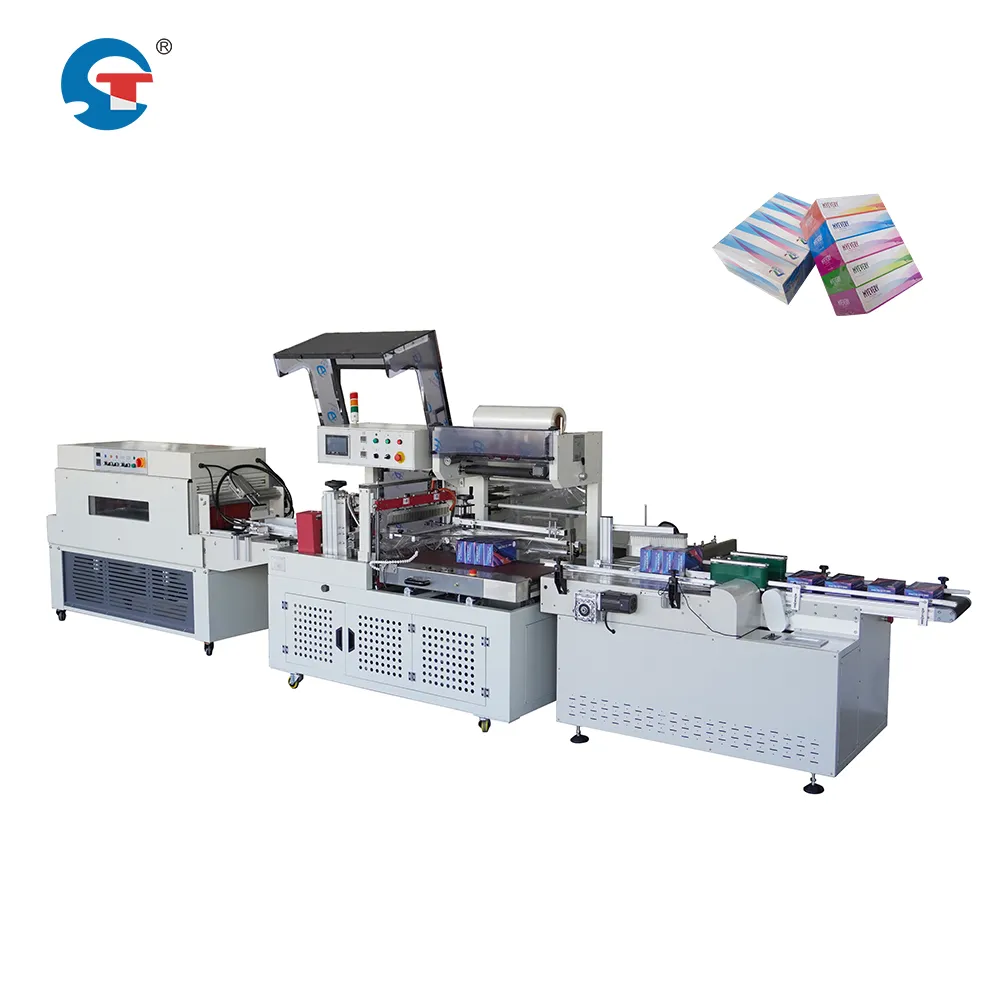
Manufacturers choose a heat shrink wrap machine when products need a close-fitting protective layer that stays in place through handling, storage, and distribution. The decision is not simply about making a package look neat; it is about controlling how products are grouped, enclosed, and presented. With automatic shrink wrap packaging, a repeatable process can reduce manual variation while helping teams keep pace with production demands.
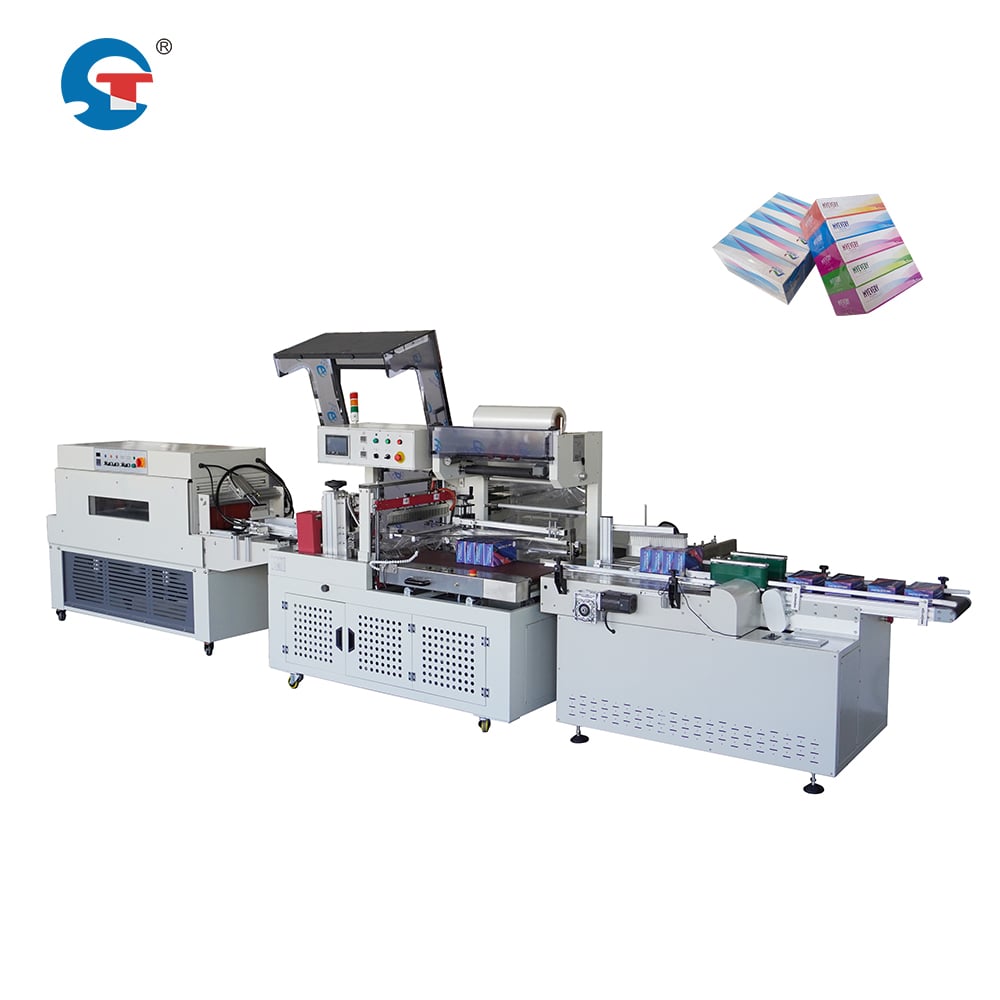
The choice is especially practical when packages must remain together without adding a bulky outer carton. Manufacturers assess heat shrink film application equipment according to product dimensions, film requirements, line speed, and operator workflow. A well-matched process can protect the package from dust and incidental contact, while supporting industrial packaging machinery for product bundling across a range of production settings.
Packaging Security Through a Consistent Wrap
How film helps keep products together
A heat shrink wrap machine forms a sleeve or enclosure around a product group, then applies controlled heat so the film conforms closely to the load. The resulting tension helps keep items aligned during routine movement. In automatic shrink wrap packaging, consistent feeding, sealing, and shrinking help reduce loose film and uneven presentation, provided the package and settings are properly matched.
This is useful for cartons, tissue boxes, and other products that are handled in grouped units. Heat shrink film application equipment can apply a protective layer without changing the product inside, while industrial packaging machinery for product bundling helps keep multiple pieces organized as one saleable or shippable pack. The film is not a substitute for structural cushioning when products need impact protection.
Security without unnecessary bulk
Compared with adding a larger secondary container, a fitted wrap can create a compact package that is easier to store and move. Automatic shrink wrap packaging also makes it easier to establish a repeatable enclosure around products with stable shapes. Manufacturers should still confirm that the film edge, seal, and shrink level hold through their expected handling conditions.
The right heat shrink film application equipment supports a controlled sequence rather than relying on operators to pull film by hand. For grouped cartons, industrial packaging machinery for product bundling can help maintain the pack arrangement from the sealing area through discharge. These benefits depend on sound setup, suitable film, and routine checks, not on the machine alone.
Production Fit and Packaging Workflow
Matching machine operation to the line
A machine earns its place when its operating rhythm fits upstream production and downstream case handling. Automatic shrink wrap packaging can reduce repeated manual wrapping steps, but the infeed, sealing cycle, and outfeed must be coordinated with the actual product flow. A heat shrink wrap machine should be assessed against the dimensions and grouping pattern that the line runs most often.
Before selecting heat shrink film application equipment, teams can document product size ranges, pack counts, changeover frequency, and available floor space. This turns a general equipment discussion into a practical fit assessment. Industrial packaging machinery for product bundling is most useful when its loading and discharge arrangement complement existing conveyors, inspection points, and packing stations.
Supporting repeatable output and changeovers
Repeatable settings matter because inconsistent heat or sealing can cause loose film, poor seams, or unnecessary material use. Automatic shrink wrap packaging works best when operators can follow clear setup parameters and verify seals during production. Keep an eye on film tracking, seal quality, and product alignment, especially after a format change or planned adjustment.
A planned changeover process helps avoid treating every new pack as a fresh trial. Heat shrink film application equipment should allow the team to adjust relevant settings for the new package and confirm a stable result before full production resumes. Industrial packaging machinery for product bundling can support varied pack formats, but the acceptable range depends on the machine configuration and product characteristics.
Decision Factors for Secure Packaging
Evaluating product, film, and protection needs
Start with the package itself: its shape, surface, weight, and vulnerability during transit. A heat shrink wrap machine is suitable when a close outer film layer can secure the group and provide the level of protection required. Automatic shrink wrap packaging should not be expected to prevent crushing or absorb major impacts where a stronger shipping container is necessary.
Film selection affects seal behavior, appearance, and how the finished pack responds to handling. Heat shrink film application equipment must suit the film type and the product’s heat sensitivity. Manufacturers can trial representative packs, inspect the seams, and review the wrapped load after normal handling. Industrial packaging machinery for product bundling needs to produce a secure result without compromising the goods.
Balancing investment with operating needs
A practical evaluation considers labor steps, floor space, expected throughput, maintenance access, and the cost of film alongside the purchase decision. Automatic shrink wrap packaging may simplify a repeated task, but the workflow should be reviewed as a whole. Ask whether operators can load products safely, monitor the process, and clear finished packs without creating a new bottleneck.
Manufacturers should also consider the availability of trained operators and routine maintenance time. A heat shrink film application equipment setup that is difficult to adjust can slow production when formats change, while clear operating procedures can make adjustments more controlled. Industrial packaging machinery for product bundling is a sound fit when its practical benefits align with real packaging volumes and product requirements.
FAQ
Why use a heat shrink wrap machine instead of hand wrapping?
A heat shrink wrap machine can make repeated wrapping more consistent and reduce reliance on manual film handling. Automatic shrink wrap packaging is most helpful when products are packed in recurring formats and the process can be integrated with the production line. The right choice depends on required output, pack dimensions, and the level of protection needed.
What should manufacturers check before choosing equipment?
Review product size, grouping pattern, film compatibility, sealing requirements, available space, and line speed. Heat shrink film application equipment should be tested with representative products so the team can inspect the finished seals and package stability. Industrial packaging machinery for product bundling should also match the existing infeed and outfeed workflow.
Does shrink film protect products from all shipping damage?
No. Shrink film can help keep products grouped and shield them from dust or incidental contact, but it does not replace cushioning or a rigid shipping carton when impact protection is required. Manufacturers should define the actual handling risks, then confirm that automatic shrink wrap packaging provides an appropriate part of the complete packaging system.