
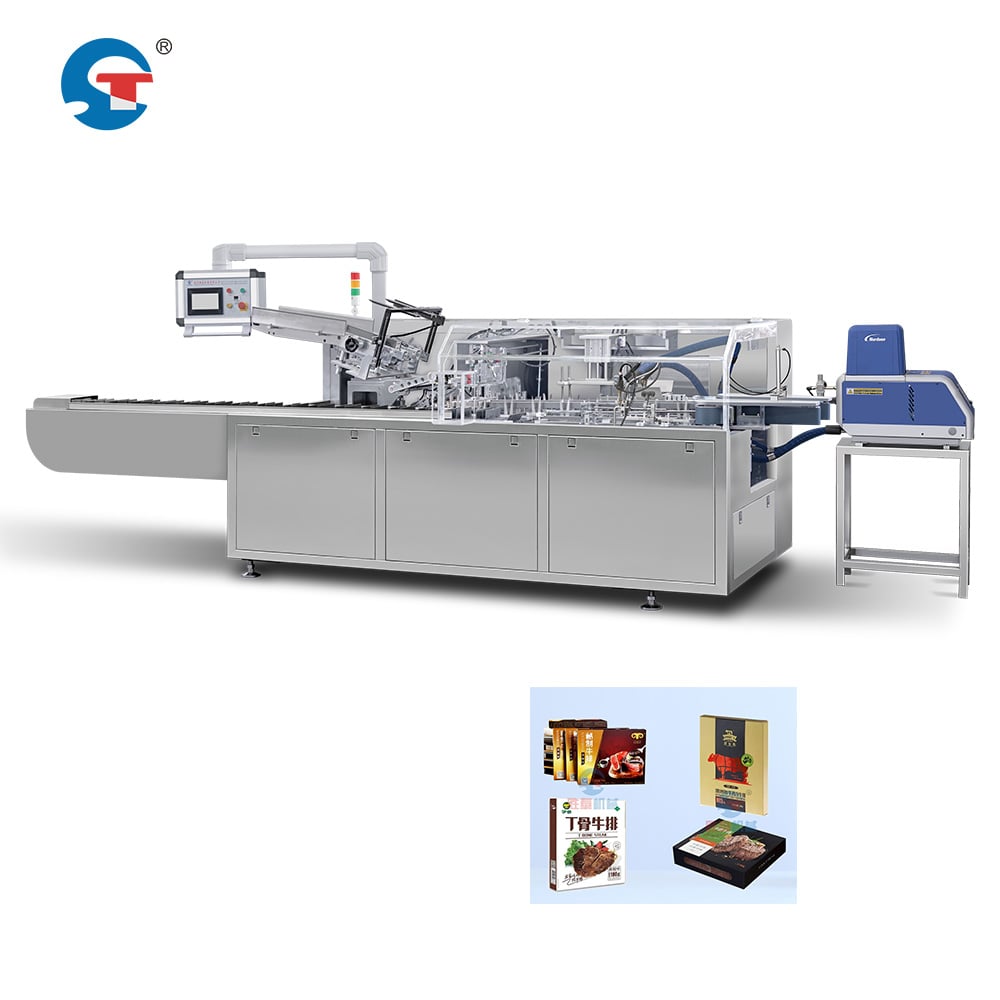
The jerky manufacturing industry has undergone significant transformation over the past decade, driven largely by advances in production technology. Today, successful jerky manufacturers recognize that investing in a jerky packaging machine is essential for scaling operations and maintaining competitive advantage in an increasingly demanding market. This shift toward mechanized packaging reflects broader industry trends toward efficiency, consistency, and profitability in commercial food production.
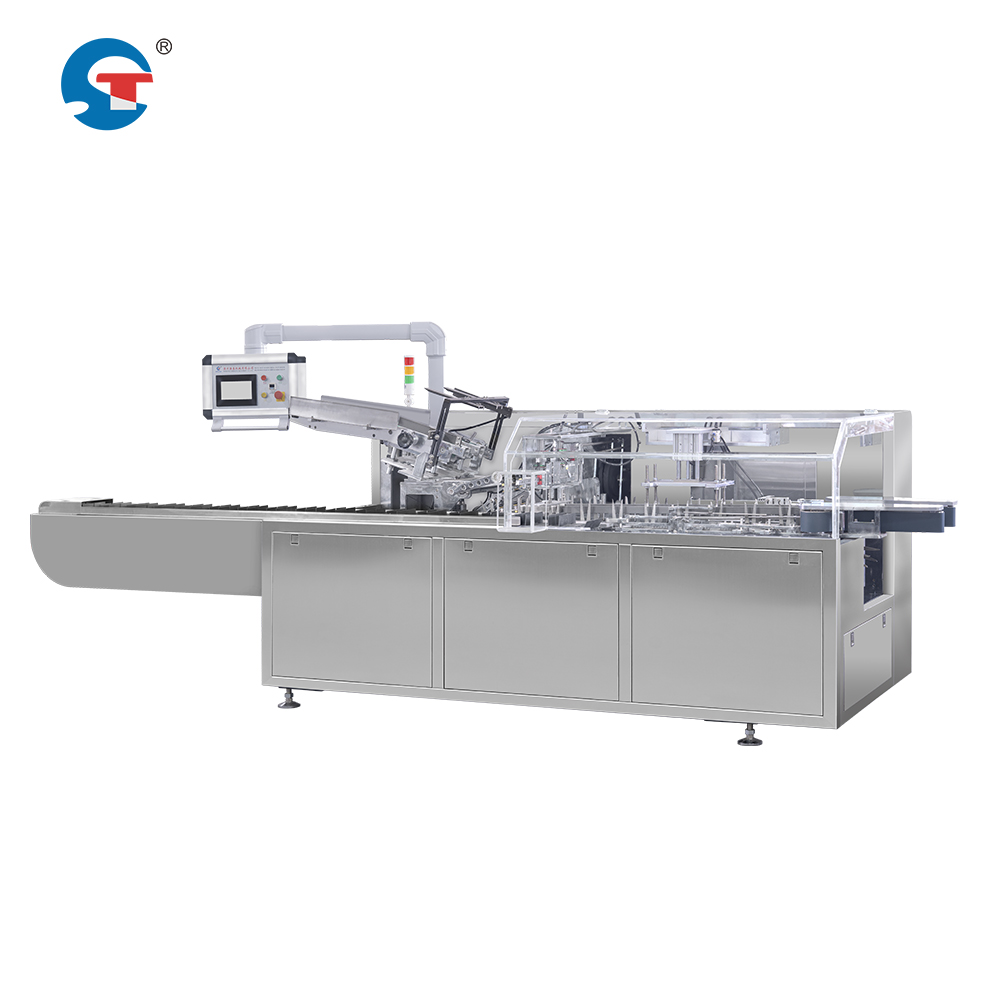
Commercial jerky producers face unique operational challenges that manual packaging simply cannot address at scale. From maintaining product freshness to ensuring regulatory compliance, the demands of modern food distribution require automation that delivers both speed and precision. Understanding why leading manufacturers embrace these technologies provides valuable insight into the future direction of the jerky industry and the competitive pressures shaping commercial food packaging machinery specifications.
The Business Case for Modernization
Scaling Production Without Sacrificing Quality
Manual jerky packaging becomes increasingly impractical as production volumes grow beyond artisanal levels. When a manufacturer transitions from producing 500 pounds to 5,000 pounds daily, labor costs and inconsistency risks escalate dramatically. An automated jerky production line addresses this fundamental constraint by maintaining consistent packaging speed while preserving product integrity. Commercial food packaging machinery specifications now emphasize throughput rates that can process hundreds of packages per hour without degrading the jerky itself or compromising seal integrity.
Quality consistency directly impacts brand reputation and customer retention in the competitive jerky market. Modern vacuum sealing equipment for meat products ensures that every package meets identical moisture retention standards, color preservation specifications, and shelf-life requirements. This consistency builds customer trust and reduces waste from damaged or improperly sealed products, which can represent significant losses at commercial scale.
Labor Efficiency and Cost Control
The economics of jerky manufacturing have shifted substantially toward automation. Hiring, training, and maintaining large packaging teams introduces wage inflation, turnover costs, and regulatory compliance burdens that directly impact margins. A jerky packaging machine handles repetitive sealing, dating, and quality verification tasks that previously required dedicated staff. This reallocation of labor toward higher-value activities such as product development and quality control creates measurable operational savings while improving workplace safety by reducing repetitive strain injuries.
Technical Advantages and Market Requirements
Vacuum Sealing and Shelf-Life Optimization
Modern vacuum sealing equipment for meat products represents a critical advancement in product preservation. Jerky's extended shelf-life depends entirely on oxygen elimination and moisture control during packaging, both areas where mechanical precision outperforms manual techniques consistently. Advanced commercial food packaging machinery specifications include precise pressure adjustments, temperature controls for heat-sealing, and timing mechanisms that ensure optimal oxygen removal without compromising product texture. These technical capabilities directly extend shelf-life from weeks to months, expanding distribution possibilities and reducing spoilage losses.
Regulatory compliance in the jerky industry has become increasingly stringent regarding packaging specifications and traceability. Automated systems integrate tracking capabilities, expiration date printing, and compliance documentation that satisfy both retailer requirements and food safety regulations. This automated compliance reduces audit risk and positions manufacturers favorably for retail expansion opportunities that demand documented process controls.
Meeting Retail and Distribution Standards
Major retailers and distributors now mandate specific packaging formats, labeling precision, and consistency metrics that align with their inventory management systems. An automated jerky production line meets these standardized requirements reliably, whereas manual packaging introduces variability that frustrates retail partners. Commercial food packaging machinery specifications increasingly reflect retail ecosystem demands for barcode positioning accuracy, weight consistency, and aesthetic presentation standards that influence shelf placement and consumer purchasing decisions.
Strategic Growth and Market Positioning
Capacity Expansion Without Infrastructure Limitation
Jerky manufacturers pursuing growth face a critical inflection point where manual processes become the bottleneck to revenue expansion. Investing in a modern jerky packaging machine enables rapid capacity increases without proportional facility expansion or labor recruitment challenges. This operational flexibility allows manufacturers to respond quickly to seasonal demand spikes or sudden retail orders that would otherwise exceed manual processing capability. The ability to scale production while maintaining quality is a powerful competitive advantage in markets where consumer demand for jerky continues growing annually.
Brand Differentiation Through Packaging Innovation
Advanced vacuum sealing equipment for meat products enables packaging formats and presentation styles that differentiate products on retail shelves. Modern automated systems accommodate multiple package sizes, resealable pouch formats, and specialty packaging designs that appeal to contemporary consumer preferences. These customization capabilities support premium product positioning and higher margins, offsetting equipment investment through increased per-unit profitability. Commercial food packaging machinery specifications now emphasize flexibility, allowing manufacturers to switch between package formats rapidly in response to market trends.
FAQ
What primary advantages does a jerky packaging machine provide over manual packaging methods?
A jerky packaging machine delivers superior consistency, dramatically higher throughput rates, enhanced shelf-life through precision vacuum sealing, and reduced labor costs. Automated systems ensure every package meets identical quality standards while processing hundreds of units per hour, whereas manual packaging introduces variability and limits production volume. Additionally, mechanical systems integrate compliance documentation and traceability features that satisfy regulatory requirements and retail partner specifications.
How does vacuum sealing equipment for meat products improve jerky preservation?
Vacuum sealing equipment for meat products removes oxygen with mechanical precision, preventing oxidation that degrades jerky quality and shelf-life. These systems maintain consistent pressure and temperature during sealing, ensuring optimal package conditions that preserve flavor, texture, and nutritional content far longer than manual sealing methods. The result is extended retail shelf-life, reduced spoilage losses, and improved product quality that justifies premium pricing in competitive markets.
Can an automated jerky production line accommodate multiple package formats and sizes?
Modern automated jerky production line systems offer significant format flexibility, accommodating various package sizes and pouch styles with minimal changeover time. Commercial food packaging machinery specifications increasingly emphasize this adaptability, allowing manufacturers to respond to market trends, retail requirements, and seasonal product variations. This flexibility enables brand differentiation through innovative packaging while maintaining operational efficiency across diverse product offerings.