
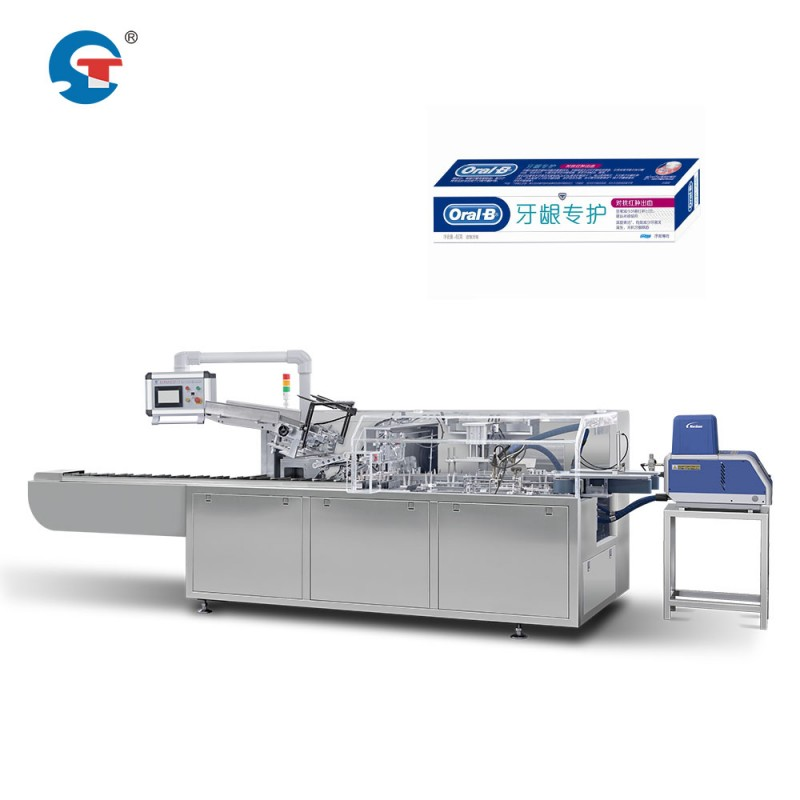
Labor costs represent one of the largest operational expenses for toothpaste manufacturers and dental product producers worldwide. Manual packaging and filling operations require substantial workforce investment, training overhead, and ongoing quality control. A toothpaste packing machine directly addresses this challenge by automating repetitive production tasks, significantly reducing the number of human operators needed on the packaging line. Modern toothpaste packing machine technology delivers measurable cost savings while simultaneously improving production consistency and output volume, making it an essential investment for producers seeking competitive advantage in the dental care industry.
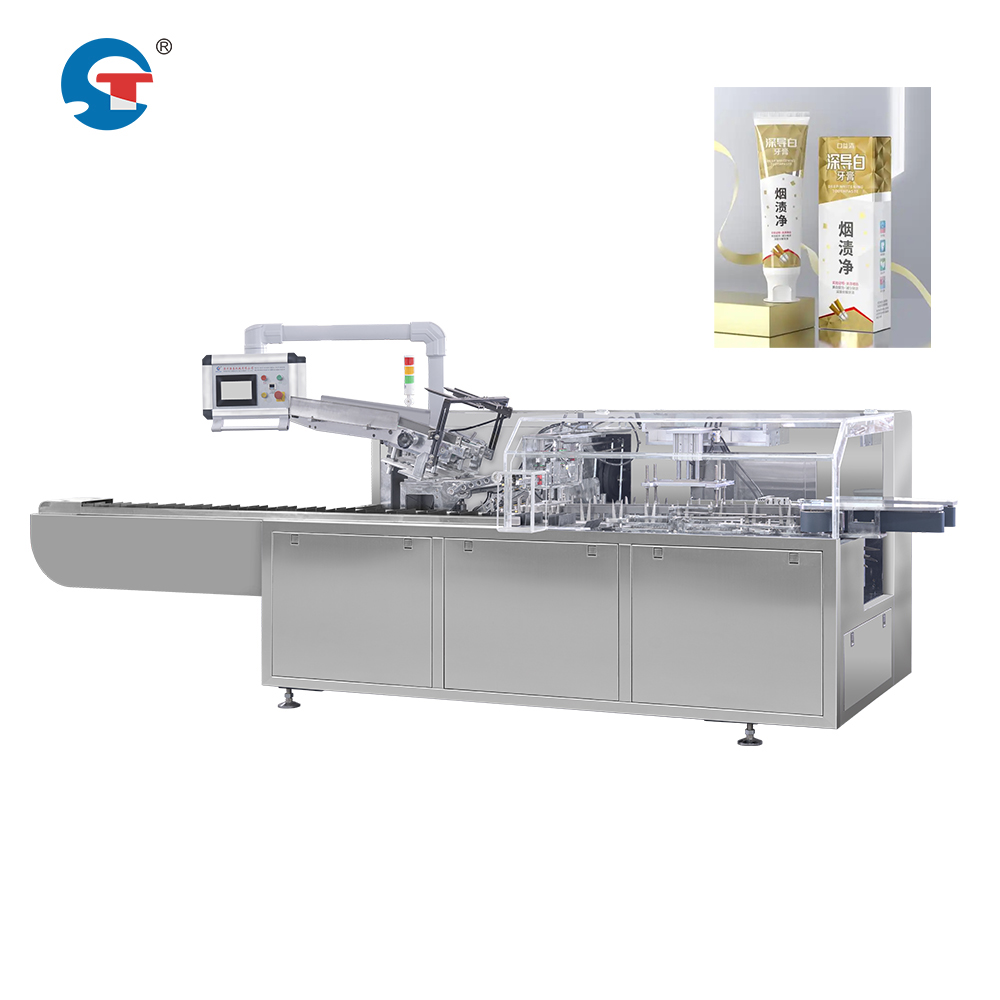
The transition from manual to automated dental product packaging line operations transforms workforce allocation and reduces per-unit labor expenses dramatically. Producers can redeploy staff from repetitive filling and sealing tasks to quality assurance, maintenance, and product development roles that add higher value to the organization. This strategic shift in labor deployment creates multiple financial benefits beyond simple headcount reduction, including improved employee satisfaction and reduced turnover in packaging departments.
Direct Labor Reduction Through Automation
Minimizing Operator Requirements on the Packaging Line
Automatic tube filling equipment replaces manual filling processes that historically required multiple dedicated operators working in shifts. A single-shift dental product packaging line equipped with modern filling technology can match or exceed the output of three to five manual operators, directly translating to substantial wage cost elimination. The toothpaste tube sealing machine component operates continuously without fatigue or quality degradation, maintaining consistent seal integrity across every unit produced while human operators would experience decreased performance over extended shifts.
Staffing requirements decrease further when automatic tube filling equipment integrates labeling, cartoning, and quality verification functions into a unified system. Rather than employing separate teams for each packaging stage, producers consolidate operations under fewer supervisory staff members. This consolidation model reduces management overhead, simplifies training protocols, and minimizes communication delays that often characterize multi-stage manual operations.
Reducing Supervision and Training Overhead
Manual dental product packaging line operations demand continuous supervision to monitor quality, prevent product damage, and manage workflow bottlenecks. Automated toothpaste packing machine systems operate under programmed parameters with built-in quality sensors, eliminating the need for constant human observation. Supervisory staff transitions from active monitoring to exception handling, reviewing alerts only when the system detects anomalies, thereby reducing required supervisory headcount by up to sixty percent.
Training costs diminish substantially with automatic tube filling equipment deployment. New employees no longer require weeks of instruction to develop manual dexterity and quality judgment. The toothpaste tube sealing machine operates according to preset configurations, meaning operators need only understand system interfaces and basic troubleshooting rather than mastering complex procedural tasks. This shorter onboarding period accelerates workforce productivity and reduces training expenses significantly.
Productivity Gains and Output Efficiency
Increasing Production Capacity Without Proportional Labor Increase
A toothpaste packing machine performs filling, sealing, labeling, and cartoning operations at speeds that manual workers cannot match sustainably. Most automated dental product packaging line systems achieve five to ten times the output rate of equivalent manual operations while maintaining superior consistency. Producers can meet growing demand or expand market share without hiring additional packaging staff, directly improving profit margins per unit sold.
The automatic tube filling equipment maintains peak performance across full production shifts without the productivity declines that characterize manual labor. Human operators experience fatigue, attention lapses, and speed reductions during the final hours of extended shifts. Automated toothpaste tube sealing machine technology delivers identical performance metrics whether the system runs for four hours or sixteen hours, ensuring consistent output volume throughout operational schedules.
Eliminating Secondary Quality-Control Labor
Manual packaging operations require dedicated quality inspectors to catch filling variations, seal defects, and labeling misalignments. Modern toothpaste packing machine technology includes integrated vision systems and weight sensors that detect defects automatically. This integrated quality control eliminates the need for secondary inspection staff while catching defects faster and more consistently than human inspectors reviewing samples after packaging completion.
The automatic tube filling equipment reduces product waste by preventing under-filled or over-filled tubes before they reach packaging stages. Each unit produced meets specification standards on the first attempt, whereas manual operations typically generate three to five percent scrap rates requiring rework or disposal. Lower waste rates directly correlate to reduced labor needed for rework, repackaging, and waste management processes.
Long-Term Operational and Financial Benefits
Reducing Overtime and Shift-Premium Expenses
Demand fluctuations and seasonal peaks historically forced producers to authorize overtime work, paying premium wages for extended hours. A dental product packaging line equipped with automatic tube filling equipment scales output by adjusting runtime hours rather than adding staff. During peak demand periods, producers simply extend machine operation duration, eliminating overtime wage premiums paid to human operators. This flexibility maintains labor cost stability even when production volumes fluctuate.
Night shift and weekend operations no longer require additional premium pay when toothpaste packing machine technology handles production autonomously. A single technician can monitor multiple machines simultaneously across different shifts, replacing the specialized staff traditionally required for extended-hour operations. This staffing flexibility substantially reduces the cumulative labor cost burden across annual production calendars.
Improving Long-Term Labor Cost Predictability
Manual labor costs increase annually with wage inflation, benefits escalation, and regulatory compliance expenses. A toothpaste tube sealing machine represents a fixed asset with transparent operating costs determined primarily by electricity consumption and maintenance intervals. Producers can forecast labor expenses more accurately over multi-year planning horizons when production relies on automated dental product packaging line equipment rather than growing workforce requirements.
The toothpaste packing machine generates quantifiable return on investment within two to three years for most mid-sized producers, after which operational margins improve substantially. This return timeline makes automation economically defensible even in price-competitive markets where labor cost reduction becomes essential for maintaining profitability. Producers who delay automation implementation risk competitive disadvantage as automated competitors reduce pricing pressure through lower per-unit labor expenses.
FAQ
How quickly does a toothpaste packing machine achieve ROI through labor cost savings?
Most toothpaste packing machine installations generate positive return on investment within two to three years based on labor cost reduction alone. The timeline depends on baseline labor costs, production volume, and local wage rates. Producers in higher-wage regions experience accelerated ROI timelines, sometimes approaching eighteen months. Additional benefits from reduced waste, improved quality consistency, and increased production capacity typically push cumulative savings well beyond initial cost projections within the first three years of operation.
What percentage of packaging staff can be eliminated with automatic tube filling equipment?
Most producers reduce packaging labor requirements by fifty to seventy percent through dental product packaging line automation. The exact reduction depends on existing operation scale, product variety, and changeover complexity. Smaller producers may achieve higher percentage reductions because automation more substantially improves efficiency in limited-scale operations. Larger facilities may retain higher absolute staff numbers for quality assurance, machine monitoring, and maintenance, though per-unit labor costs decline substantially across all operation sizes.
Does a toothpaste tube sealing machine require specialized technician skills for ongoing operation?
Modern toothpaste tube sealing machine technology features user-friendly interfaces requiring minimal specialized training. Plant technicians with basic mechanical and electrical knowledge can manage routine operations, adjustments, and minor troubleshooting. Most equipment suppliers provide comprehensive training and ongoing technical support, ensuring operators gain necessary competency quickly. Specialized technicians remain necessary for major maintenance or configuration changes, but day-to-day operation requires standard manufacturing floor skills, not specialized expertise.