
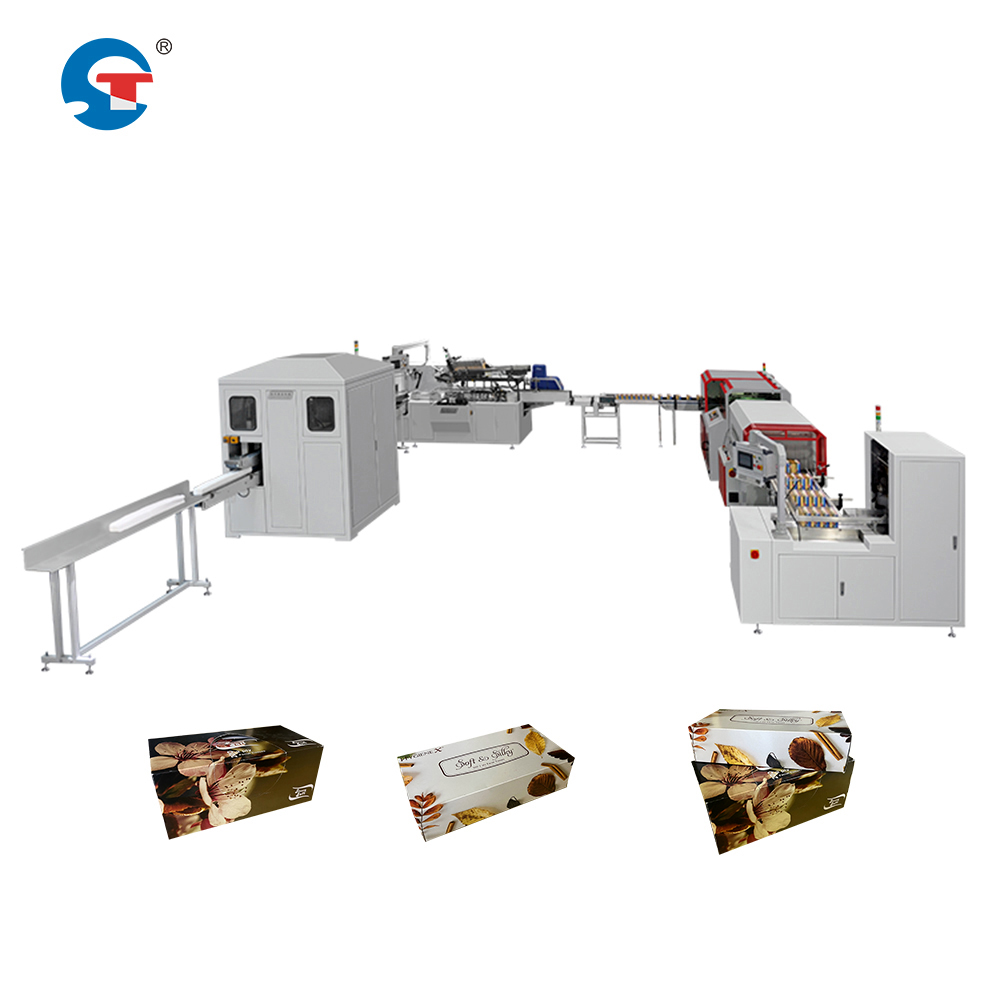
Selecting the correct payload capacity for a cartoning machine for production line operations is one of the most critical decisions in secondary packaging automation. The payload capacity directly impacts throughput, product integrity, operational costs, and overall production efficiency. Many manufacturers overlook this specification during equipment selection, leading to bottlenecks, quality issues, or unnecessarily inflated capital expenditure. Understanding how payload capacity connects to your specific production requirements ensures that your automatic case packing equipment performs reliably without compromise.
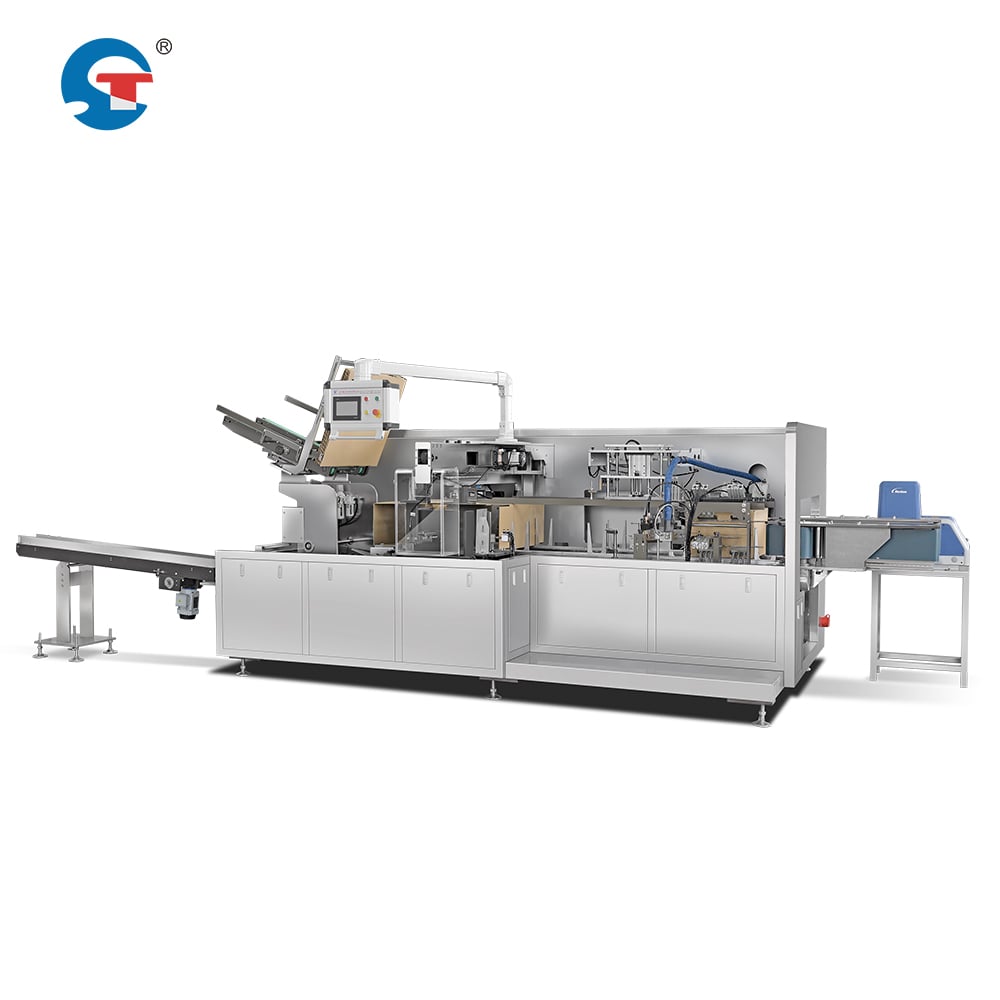
Payload capacity refers to the maximum weight of finished product and packaging materials that a cartoning machine can handle during each cycle. This specification encompasses the weight of individual products being packed, the carton or case itself, and any protective materials or cushioning inside the package. High-speed cartoning system efficiency depends fundamentally on matching payload capacity to both your product density and your desired throughput rates. When payload capacity is undersized, the machine cannot process heavier items or larger batch volumes, resulting in production slowdowns or missed shipping deadlines. Conversely, oversized capacity wastes capital investment and floor space without adding practical value.
Understanding Payload Capacity Requirements
Product Weight and Package Dimensions
The first step in determining payload capacity is accurately measuring the total weight of your finished product plus the carton. Most manufacturers already know their individual product weight, but the combined system weight—product, carton, internal packaging, and any inserts—determines true payload demand. For example, a cosmetic product weighing 200 grams may sit in a carton weighing 150 grams, with tissue and foam inserts adding another 80 grams, bringing total payload to 430 grams per cycle. This baseline establishes the minimum capacity your machine must deliver. When planning for automatic case packing equipment, always include a safety margin of 10 to 15 percent above your calculated maximum payload. This buffer accommodates product weight variation, seasonal density changes, and future product line extensions without requiring equipment replacement.
Production Volume and Cartoning Machine Speed and Output Capacity
Production volume directly influences the payload capacity specification you select. If your facility requires 300 cartons per minute, the machine must reliably handle that cycle repetition at full payload weight without mechanical stress or quality degradation. Cartoning machine speed and output capacity work in tandem; higher speeds demand robust payload handling to prevent jams, misalignment, or product damage. A high-speed cartoning system efficiency rating of 95 percent or better requires payload management that keeps mechanical strain within design limits. Underestimating speed requirements forces you to choose a lower-capacity machine that cannot sustain your actual production targets, while overestimating wastes investment in unnecessary capacity. Calculate your true volume need by reviewing historical sales data, seasonal peaks, and forecast growth over the next three to five years.
Mechanical and Reliability Considerations
Structural Integrity and Durability
Payload capacity directly affects the structural demands placed on your automatic case packing equipment. Higher payload weights require stronger drive motors, more robust servo systems, and reinforced mechanical frames. A cartoning machine for production line use must withstand millions of cycles without excessive wear, vibration, or alignment drift. Machines rated for lower payloads may fail prematurely if pushed beyond design specifications, leading to unexpected downtime and repair costs that far exceed the initial equipment savings. Conversely, selecting a machine with payload capacity well above your actual need provides a safety margin that extends equipment life and reduces maintenance frequency. Discuss with your equipment supplier the expected duty cycle and stress distribution for your specific payload range, and request documentation showing component life expectancy under those conditions.
Accuracy and Product Quality
High-speed cartoning system efficiency depends on precise positioning and gentle handling that maintains product integrity throughout the packaging process. When payload capacity is matched correctly to your product, the machine's control systems can optimize acceleration and deceleration profiles, reducing product shifting, denting, or breakage. Undersized capacity machines must operate at slower speeds to prevent jamming, while oversized machines may accelerate products too aggressively, causing damage. The sweet spot lies in selecting a machine whose payload capacity rating matches your production requirements with modest headroom, allowing the control system to operate within its design envelope. This alignment ensures consistent quality, minimal rejected cartons, and reliable performance over extended production runs.
Selection Framework and Practical Decision-Making
Capacity Matching and Future Scalability
Your payload capacity choice should reflect not only current production needs but also anticipated growth and product line evolution. If you plan to introduce heavier or bulkier products within the next two years, selecting a machine with 20 to 25 percent capacity headroom avoids premature obsolescence. Many manufacturers hesitate to invest in oversized capacity, yet paying 5 to 10 percent more upfront for adequate payload capacity often saves 30 to 40 percent when compared to equipment replacement or retrofit costs later. A high-speed cartoning system efficiency analysis should include scenario planning: what payload weights might your business require in three or five years? What product category shifts could affect average carton weight? Building this strategic view into your equipment selection ensures your investment remains productive and adaptable.
Vendor Specifications and Validation
When evaluating equipment proposals, always request detailed payload capacity documentation that specifies maximum weight, sustained cycle rate, and any payload-related performance derating at higher speeds. Cartoning machine speed and output capacity figures should include specific payload assumptions; a machine rated at 400 units per minute may only achieve that speed at half-maximum payload. Request factory testing data or site visit opportunities to validate performance under conditions matching your actual product and volume requirements. Do not rely solely on marketing literature; independent verification protects your capital investment and ensures contractual accountability. Ask suppliers how they define payload capacity—some measure only the product, while others include the entire carton assembly—and align your internal calculations to the same definition to avoid surprises during commissioning.
FAQ
What happens if I choose a cartoning machine with insufficient payload capacity?
Insufficient payload capacity forces your machine to operate below design speeds, reducing throughput and missing production targets. The machine experiences accelerated wear, frequent jams, product damage, and higher maintenance costs. In worst cases, undersized equipment cannot handle your actual product weight at all, requiring emergency replacement or costly retrofits. Always select capacity with headroom to ensure reliable, sustainable performance.
How does payload capacity affect high-speed cartoning system efficiency?
High-speed cartoning system efficiency depends on balanced payload management. When payload capacity matches your production requirements, the control system optimizes acceleration, alignment, and product handling to maximize throughput while maintaining quality. Mismatched capacity forces the machine to compromise, either by slowing down or by operating with mechanical stress that reduces reliability and increases downtime risk.
Should I always select the maximum available payload capacity?
No. Oversized payload capacity wastes capital investment and may introduce unnecessary complexity or footprint burden without benefit. Select capacity that covers your current needs plus 10 to 20 percent growth headroom. This balanced approach optimizes cost-effectiveness while preserving flexibility for future product line extensions or volume increases.