
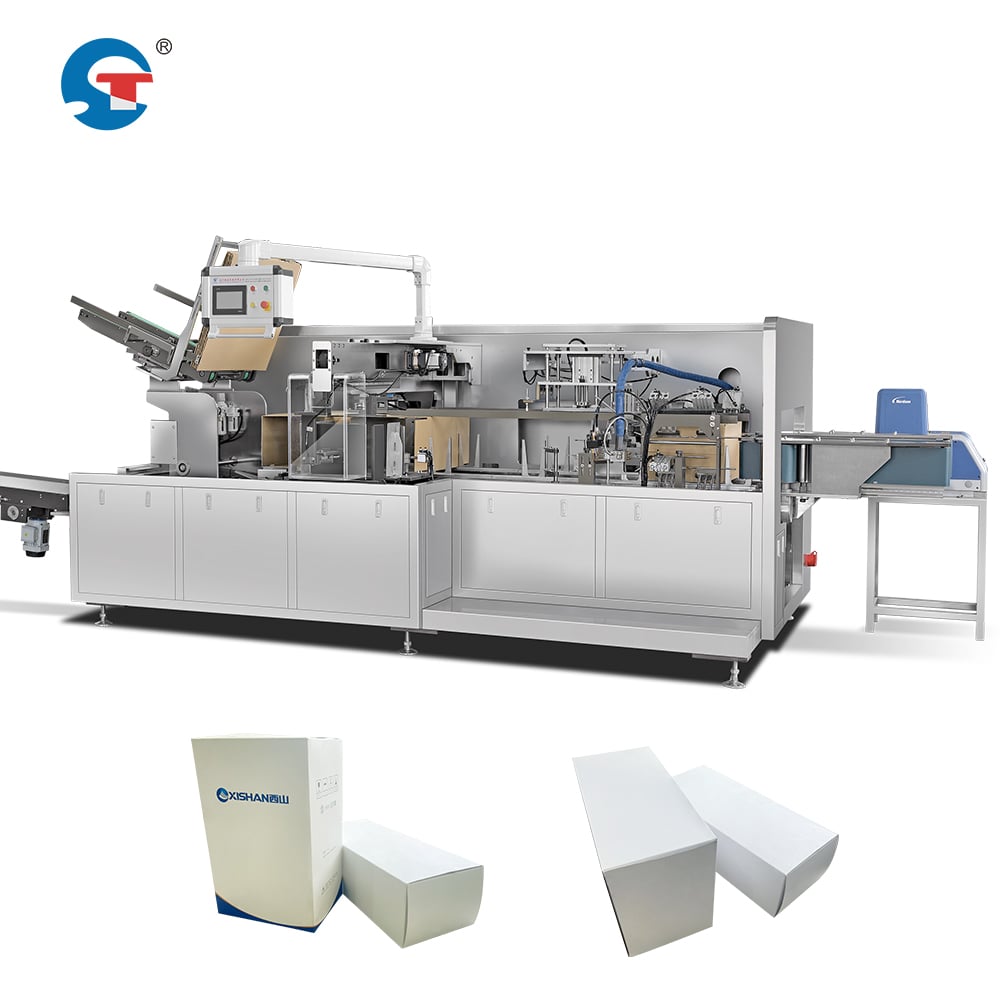
High-demand production environments require equipment that can maintain consistent speed, precision, and reliability under continuous operation. An auto cartoner machine delivers exactly this capability, transforming how manufacturers package products at scale. Whether you operate in pharmaceuticals, food and beverage, or consumer goods, the auto cartoner machine has become essential infrastructure for meeting market demands without sacrificing quality or safety standards.
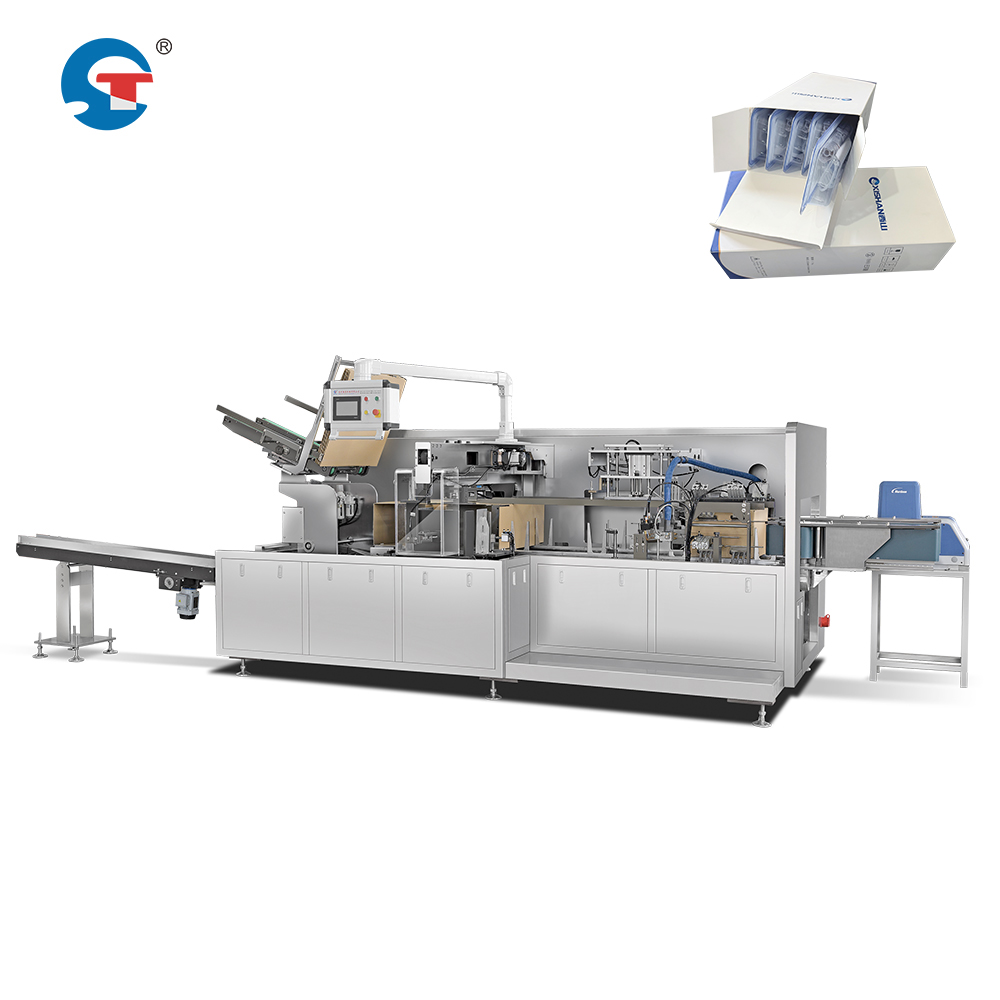
Modern manufacturing faces mounting pressure to increase throughput while controlling costs and ensuring compliance. An auto cartoner machine addresses this challenge by automating the entire carton handling process, from opening and positioning to product insertion and sealing. This level of automation reduces labor dependency, minimizes human error, and enables facilities to operate shifts with fewer personnel. Understanding how these systems support high-demand environments helps operations managers make informed investment decisions aligned with production goals.
How Auto Cartoner Machines Enable Consistent Output
Throughput Optimization Through Automation
The primary advantage of an auto cartoner machine is its ability to process cartons at speeds far exceeding manual packing. High-demand production environments cannot tolerate bottlenecks, and an auto cartoner machine eliminates the variability inherent in manual labor. These systems typically achieve 40 to 120 cartons per minute depending on carton size and complexity, maintaining this rate consistently throughout 24-hour operations. The automatic case packing equipment continuously feeds blank cartons, erects them, loads products, and seals them without human intervention between cycles.
Consistency across production runs is critical for high-demand scenarios where product uniformity directly impacts customer satisfaction and regulatory compliance. An auto cartoner machine ensures every carton is formed, filled, and sealed identically, reducing variation that occurs with manual packing. This consistency also translates to fewer rejects, less material waste, and predictable cycle times that allow accurate scheduling of downstream operations.
Flexibility for Multiple Product Formats
High-demand production often includes multiple SKUs and package sizes running through the same facility. The carton erection and loading system integrated into modern auto cartoner machines accommodates format changes without lengthy retooling downtime. Operators can adjust parameters such as carton dimensions, loading patterns, and seal specifications through intuitive controls, enabling rapid changeovers between product lines. This flexibility is essential for manufacturers serving diverse markets or managing seasonal product variations without losing production hours to equipment reconfiguration.
Productivity and Cost Benefits in Demanding Environments
Labor Efficiency and Safety Improvements
Deploying a cartoning machine for pharmaceuticals or other regulated industries dramatically reduces the headcount required for packing operations. High-demand production environments that previously needed 8 to 12 packing line workers can operate effectively with 2 to 3 technicians managing multiple auto cartoner machines. This shift redirects labor toward higher-value activities such as quality control, maintenance, and process optimization rather than repetitive manual packing. Beyond cost reduction, automation improves workplace safety by eliminating repetitive strain injuries and exposing fewer personnel to production line hazards.
The automatic case packing equipment also standardizes ergonomic conditions across shifts, ensuring that product handling meets occupational safety standards consistently. Workers interact with the system as operators and monitors rather than as the primary labor source, reducing fatigue and improving job satisfaction on high-demand lines.
Material Cost Control and Waste Reduction
An auto cartoner machine minimizes material waste through precise handling and optimal carton positioning. Manual packing often results in damaged cartons, misaligned products, and sealing errors that require rework or scrapping. The carton erection and loading system handles blanks with mechanical precision, reducing waste to less than 1% in well-maintained systems. For high-demand operations processing millions of units annually, even small waste percentage improvements translate to substantial cost savings.
Additionally, the automatic case packing equipment operates with minimal product spillage and controlled adhesive application, further protecting margins. These efficiency gains compound across high-volume runs, making the initial capital investment in automation recoverable within 18 to 30 months in many applications.
Integration with High-Demand Production Infrastructure
Seamless Line Integration and Scalability
Successful high-demand production depends on equipment components functioning as an integrated system rather than isolated machines. A cartoning machine for pharmaceuticals or industrial products connects upstream filling and capping equipment with downstream conveyors, case packers, and palletizers. Modern auto cartoner machines feature standardized interfaces, conveyor belt compatibility, and networked controls that allow rapid integration into existing production lines. This connectivity enables real-time monitoring of cartoning performance and quick response to anomalies without halting adjacent operations.
Scalability is another critical consideration in high-demand scenarios. As market demand fluctuates, manufacturers may need to increase production capacity. An auto cartoner machine architecture that modular and upgradeable allows facilities to add capacity without complete line replacement, protecting previous infrastructure investments while meeting growing throughput requirements.
Reliability and Preventive Maintenance
High-demand production environments cannot tolerate extended downtime from equipment failure. Leading auto cartoner machine manufacturers design systems with redundant components, standardized spare parts, and predictive maintenance capabilities. The carton erection and loading system uses durable mechanical components combined with modern sensors that alert operators to wear before critical failures occur. Preventive maintenance schedules keep machines running at peak efficiency while controlled downtime occurs during planned service windows rather than unexpected emergencies.
Additionally, many manufacturers of automatic case packing equipment provide 24-hour technical support and stock critical spare parts in regional warehouses, ensuring rapid response when issues arise. This service infrastructure is essential for high-demand production facilities where every hour of downtime impacts revenue.
FAQ
What production speed should I expect from an auto cartoner machine?
Most modern auto cartoner machines operate between 40 and 120 cartons per minute, depending on carton size, product weight, and complexity. Smaller cartons with lightweight products can achieve speeds at the upper range, while larger or irregularly shaped packages operate at lower speeds. The cartoning machine for pharmaceuticals typically operates at 60 to 100 cartons per minute due to precision requirements for compliance. Consult with equipment manufacturers to understand your specific throughput expectations based on your product specifications.
How does an auto cartoner machine reduce operational costs?
The automatic case packing equipment reduces costs through multiple pathways: decreased labor requirements, minimized material waste, reduced product damage, and optimized energy consumption. A single auto cartoner machine can replace 6 to 8 manual packing positions, generating substantial annual labor savings. Material waste typically drops from 3 to 5% with manual packing to under 1% with automated systems. The combined effect recovers the capital investment within 18 to 30 months in high-volume applications, with long-term cost advantages extending far beyond this payback period.
Can a carton erection and loading system handle multiple product formats?
Yes, modern carton erection and loading systems accommodate multiple formats through adjustable mechanical components and configurable control parameters. Operators can change carton sizes, adjust loading patterns, and modify seal specifications without tools or mechanical retooling in many cases. Format changeover typically requires 15 to 45 minutes depending on the degree of difference between products. This flexibility is essential for high-demand facilities managing diverse product lines or seasonal variations without sacrificing production continuity.