
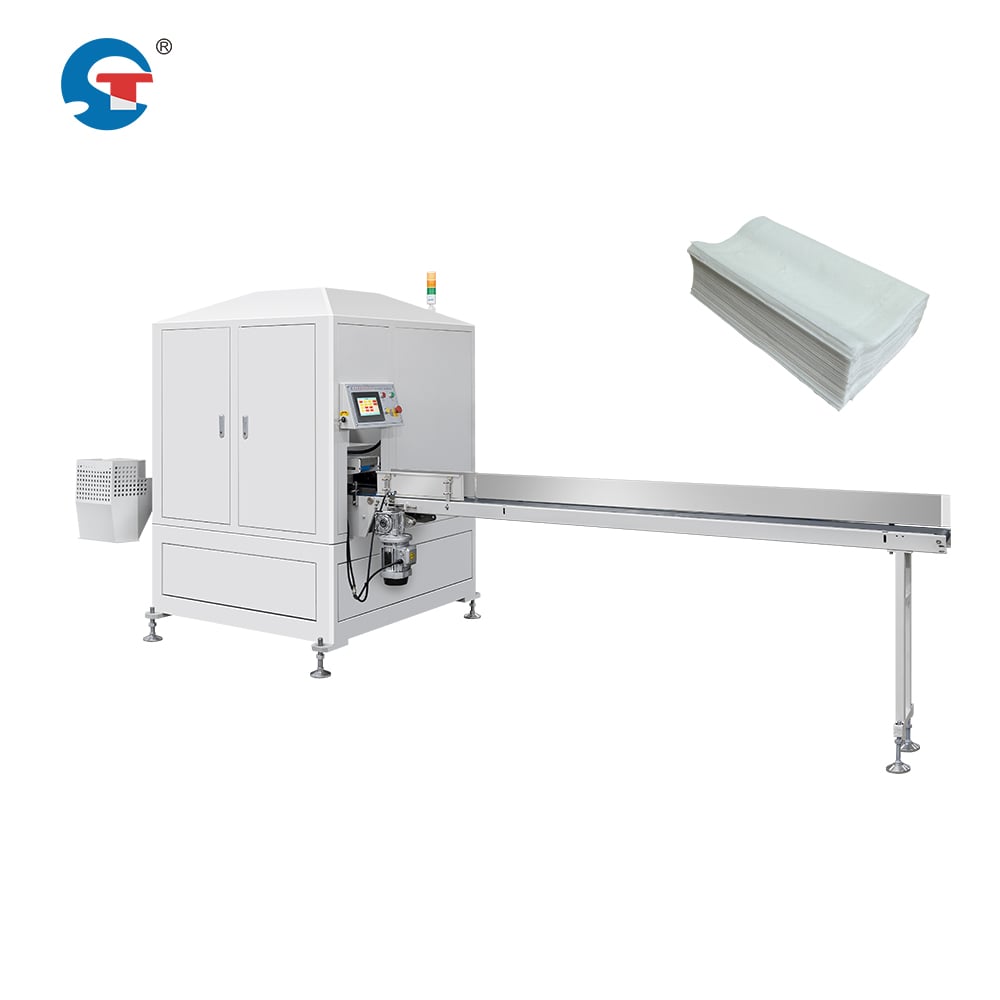
A tissue cutting machine can reduce manufacturing waste by making cuts more consistent, improving how material is positioned, and catching errors before they affect a full batch. These gains depend on how the machine is set up and integrated into production. Using automated tissue processing equipment alongside precision specimen preparation tools and laboratory microtome systems can also help teams manage material carefully at each stage.
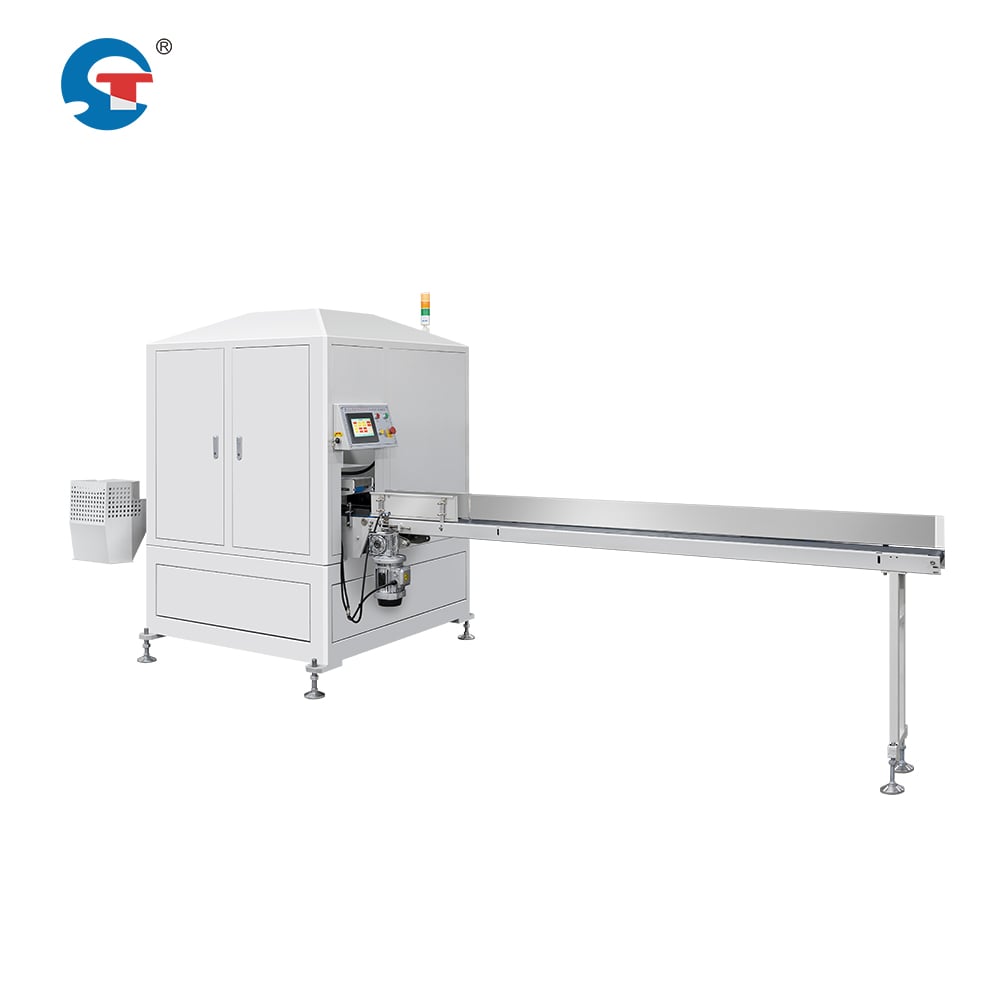
Waste reduction is not simply a matter of cutting faster. Manufacturers need repeatable dimensions, a clear plan for usable offcuts, and reliable checks that prevent defects from moving downstream. When automated tissue processing equipment is matched to the material and production method, operators can make better use of each sheet or roll. Precision specimen preparation tools and laboratory microtome systems support careful handling where sample quality and consistency matter.
How controlled cutting limits avoidable scrap
Repeatable settings reduce variation
Manual cutting can introduce variation when operators judge alignment or pressure differently across a shift. A tissue cutting machine uses defined settings and a repeatable sequence, helping each piece stay closer to the required dimensions. Automated tissue processing equipment can make these settings easier to apply consistently, while precision specimen preparation tools help staff establish and verify the intended cut. Laboratory microtome systems also rely on repeatable preparation to avoid damaged or unusable sections.
The practical benefit is fewer pieces rejected for inconsistent size, edge damage, or poor fit in the next operation. Teams should validate the cut against the actual material rather than assume one setting works for every batch. In a coordinated workflow, automated tissue processing equipment preserves the chosen process, precision specimen preparation tools help confirm quality, and laboratory microtome systems can receive material prepared to a more predictable standard.
Accurate alignment improves material yield
Material can be lost before a blade moves if the starting sheet is skewed, poorly tensioned, or positioned with excess margin. Operators can define a reference edge, confirm the usable width, and choose a layout that suits the required output. Automated tissue processing equipment can support a repeatable alignment routine, while precision specimen preparation tools help check dimensions. Laboratory microtome systems benefit when preparation avoids unnecessary trimming.
A tissue cutting machine reduces avoidable trim when the cutting plan reflects the true dimensions and condition of incoming material. Record recurring edge defects and width changes, then adjust the layout without compromising specifications. This is where automated tissue processing equipment can make setup more consistent across shifts. Precision specimen preparation tools provide useful checks, and laboratory microtome systems are less likely to receive pieces that need repeated correction.
How production planning protects usable material
Match the cutting pattern to the order
A cutting pattern should start with the order requirements, including finished dimensions, quantity, and acceptable tolerances. Grouping compatible jobs can reduce setup changes and leave larger usable sections from each sheet. Automated tissue processing equipment supports a stable workflow when product specifications are clear. Precision specimen preparation tools help verify the planned dimensions, and laboratory microtome systems can be considered when the next stage requires carefully prepared tissue.
Before production, compare the proposed layout with actual material width and any known defects. A tissue cutting machine cannot recover material already excluded by a poor plan, so planning and operation must work together. Use automated tissue processing equipment to repeat approved settings, and use precision specimen preparation tools to confirm that samples meet requirements. Laboratory microtome systems should receive only material appropriate for their preparation needs.
Manage offcuts and changeovers deliberately
Not every offcut is waste. Some remnants may be suitable for another order, setup validation, or a permitted secondary use, provided they are identified and stored correctly. Automated tissue processing equipment can help standardize batch records, while precision specimen preparation tools support checks before remnants are reused. Laboratory microtome systems may have specific input requirements, so teams should not treat every leftover piece as interchangeable.
Changeovers also create scrap when the first pieces after a new setup are not checked promptly. Define a first-piece inspection point and document the result before releasing the run. This simple control helps automated tissue processing equipment deliver the intended cut from the start. Precision specimen preparation tools can make dimensional checks more consistent, while laboratory microtome systems receive material that has passed an appropriate review.
How inspection and maintenance sustain waste reduction
Find process drift before it spreads
A small alignment shift or blade issue can affect many pieces if it goes unnoticed. Inspect early output for dimensions, edge quality, and signs of compression, then compare results with the approved specification. Automated tissue processing equipment is most useful when operators respond to inspection findings instead of relying on settings alone. Precision specimen preparation tools support consistent verification, and laboratory microtome systems require suitable input quality.
Record the type and amount of material rejected, along with the likely cause. Patterns may point to setup, material variation, handling, or maintenance rather than operator error. Automated tissue processing equipment can make a repeatable process easier to audit, but accurate records still depend on people. Precision specimen preparation tools help clarify acceptance checks, and laboratory microtome systems can highlight where upstream preparation affects downstream results.
Connect maintenance with material performance
Cut quality depends on a maintained machine, suitable blade condition, and settings appropriate to the material. Establish checks based on operating guidance and observed output, then pause production when a condition risks damaging usable stock. Automated tissue processing equipment should be reviewed as part of routine process control. Precision specimen preparation tools and laboratory microtome systems also need care so their contribution to careful handling remains dependable.
Evaluate waste reduction through both yield and quality. A lower scrap count is not a success if pieces fail downstream checks or require excessive rework. Review first-piece results, rejection reasons, remnant use, and changeover losses together. With this approach, automated tissue processing equipment supports repeatable operation, precision specimen preparation tools reinforce inspection, and laboratory microtome systems help teams assess whether preparation quality holds through later stages.
FAQ
Can a tissue cutting machine reduce waste on every material?
Not automatically. Results depend on material properties, cutting requirements, setup, and inspection. Validate the process on representative stock, and use automated tissue processing equipment only with suitable settings. Precision specimen preparation tools and laboratory microtome systems can help maintain checks where preparation quality is important.
What should operators check first?
Check alignment, finished dimensions, and edge condition on the first pieces after setup or changeover. Keep a record of results and adjust only through an approved process. Automated tissue processing equipment, precision specimen preparation tools, and laboratory microtome systems each have a role in controlled preparation.
How can teams tell whether waste is falling?
Track rejected material, trim, remnant reuse, and rework against production output over comparable runs. Review causes as well as totals so changes do not conceal quality problems. This gives teams a practical basis for improving automated tissue processing equipment workflows and using precision specimen preparation tools and laboratory microtome systems appropriately.