
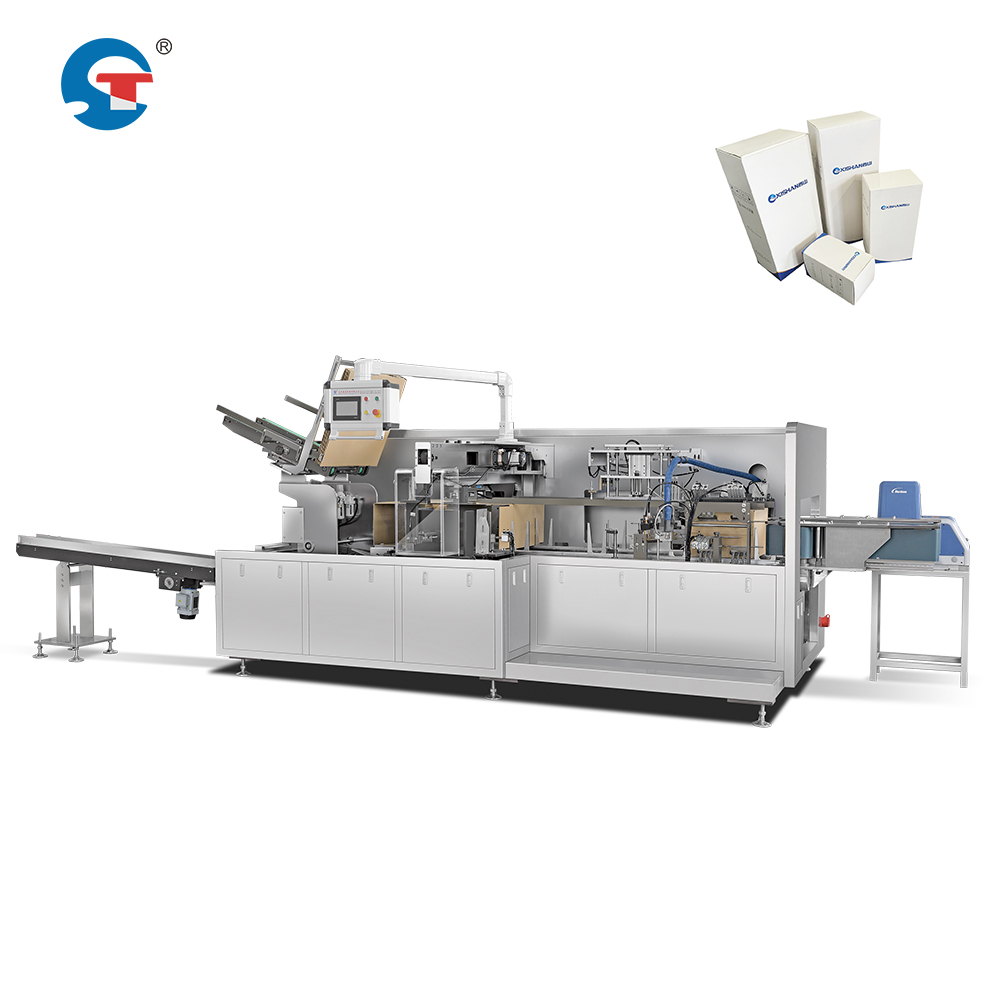
Modern manufacturing and logistics operations require flexible packaging solutions that can handle diverse product lines without constant equipment reconfiguration. An automatic box sealer is engineered to meet this exact challenge, delivering consistent sealing performance across varying box dimensions and material compositions. This adaptability has become essential for businesses managing multiple SKUs, seasonal product variations, and customer-specific packaging requirements.
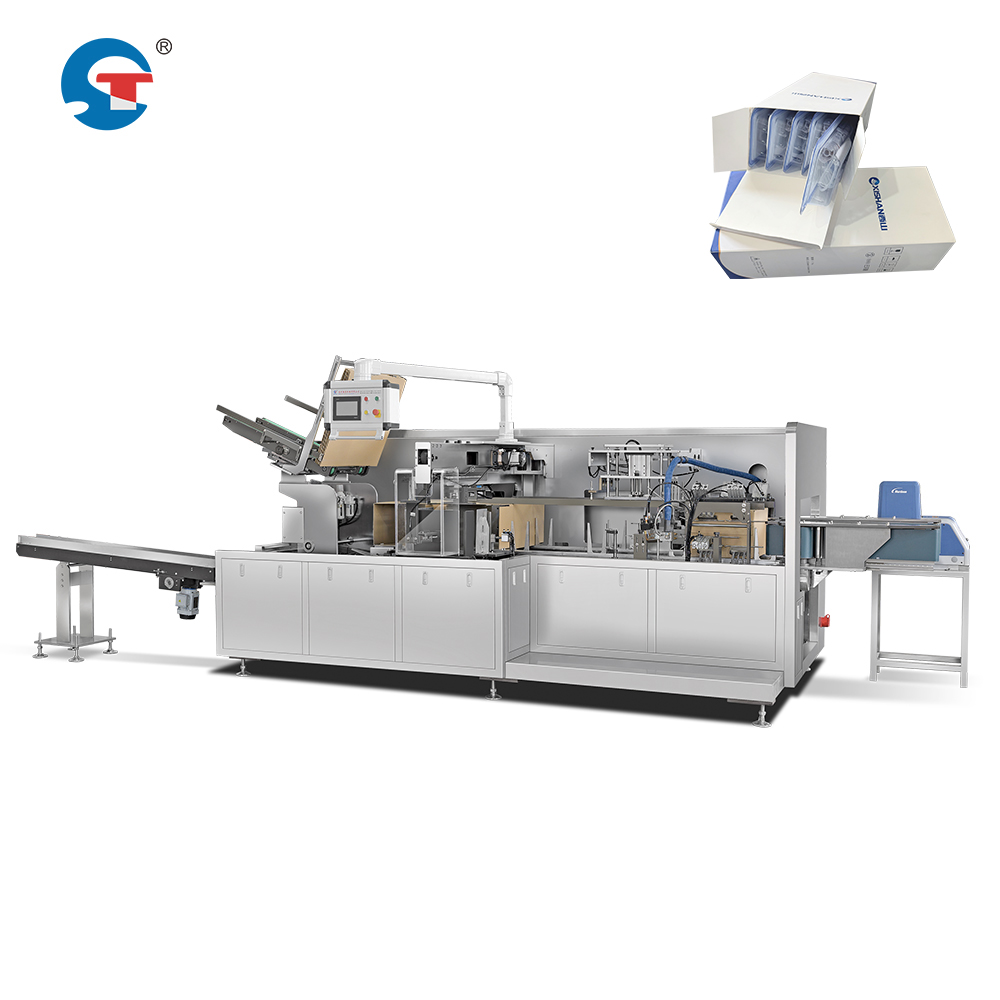
Understanding how a carton sealing machine handles variable box formats and material types is critical for optimizing your packaging line efficiency. The technology behind modern box packaging equipment has evolved significantly, allowing facilities to reduce setup time, minimize waste, and maintain quality standards across heterogeneous production batches. This guide explores the mechanisms, capabilities, and practical benefits of automatic sealing systems that accommodate diverse operational demands.
How Automatic Box Sealers Adjust to Different Dimensions
Mechanical Adjustment Systems
An automatic box sealer employs sophisticated mechanical adjustment frameworks to accommodate boxes ranging from small standard cartons to large retail shipping containers. Width adjustment mechanisms use motorized guides that automatically reposition tape applicators based on detected box dimensions, eliminating manual recalibration between runs. Length sensors and conveyor speed controls ensure consistent tape placement regardless of carton height, maintaining seal integrity across size variations. These systems use servo-driven components for precision, reducing operator intervention and setup delays.
Smart Detection and Feedback Systems
Modern carton sealing machines incorporate optical and mechanical sensors that continuously measure incoming box parameters in real-time. The case tape dispenser within the system automatically adjusts tape tension and application angle based on detected box width, preventing tape slippage and uneven sealing. Feedback loops allow the equipment to self-correct during operation, maintaining quality without stopping production. This intelligent adaptation enables operators to process mixed-size batches seamlessly, significantly reducing changeover time compared to traditional semi-automatic approaches.
Material Compatibility and Sealing Performance
Handling Diverse Carton Materials
Box packaging equipment must seal corrugated cardboard, kraft paper, plastic-coated cartons, and specialty substrates with equal reliability. An automatic box sealer uses adjustable tape tension settings to optimize adhesion on different material surface finishes without damaging fragile constructions. Compression rollers adapt their pressure dynamically, accommodating variations in corrugation depth and coating thickness. The case tape dispenser within the system supports multiple tape types, including acrylic, natural rubber, and hot-melt formulations, each suited to specific material interactions and environmental conditions.
Environmental Factors and Material Behavior
Material performance during sealing depends on temperature, humidity, and substrate porosity. Modern box packaging equipment features thermal stabilization and humidity compensation to maintain consistent sealing quality across seasons and climates. Carton sealing machines can process materials stored in varying warehouse conditions without sacrificing seal strength. The automatic adjustment system prevents over-taping on highly absorbent materials and under-taping on glossy surfaces, ensuring reliable closure performance and package integrity throughout distribution cycles.
Operational Benefits and Production Flexibility
Reduced Downtime and Setup Complexity
Implementing an automatic box sealer eliminates the need for lengthy mechanical recalibration when switching between box sizes and material types. Traditional case tape dispensers require manual adjustments consuming 15–30 minutes per changeover, while modern automated systems complete transitions in seconds through software control. This efficiency gain directly translates to increased throughput and reduced labor costs. Facilities managing seasonal demand spikes or product portfolio diversification benefit significantly from seamless format flexibility without capital investment in additional equipment.
Quality Consistency and Waste Reduction
Automatic box sealer systems maintain identical seal quality regardless of box dimensions or material variations, reducing reject rates and rework expenses. The carton sealing machine continuously monitors seal parameters, documenting performance data for compliance and process improvement. Reduced tape waste occurs because the system applies precisely measured amounts per box size, eliminating over-application common with manual methods. Predictable sealing performance improves customer satisfaction and reduces product damage claims during shipment and handling.
FAQ
Can an automatic box sealer work with both small and large boxes simultaneously?
Yes, modern automatic box sealer systems can process mixed-size batches by adjusting width and length parameters between boxes. The case tape dispenser and conveyor system automatically adapt within seconds, allowing operators to run heterogeneous loads without full line stops. This capability is particularly valuable for distribution centers and fulfillment operations handling multiple customer orders in single production runs.
What types of materials can a carton sealing machine reliably seal?
A box packaging equipment can seal corrugated cardboard, kraft paper, plastic-coated cartons, and specialty materials by adjusting tape type, tension, and pressure settings. The automatic box sealer accommodates varying surface finishes and coating compositions through intelligent feedback mechanisms. Material compatibility testing should be performed during system commissioning to optimize settings for your specific substrate requirements.
How much setup time does an automatic box sealer require when changing box formats?
Modern carton sealing machines require minimal setup time, typically under one minute for format changes through digital parameter adjustment. The case tape dispenser and mechanical guides reposition automatically based on stored configuration profiles. This represents dramatic improvement over semi-automatic systems requiring 15–30 minutes of manual recalibration, making automatic solutions cost-effective even for facilities with frequent format variations.