
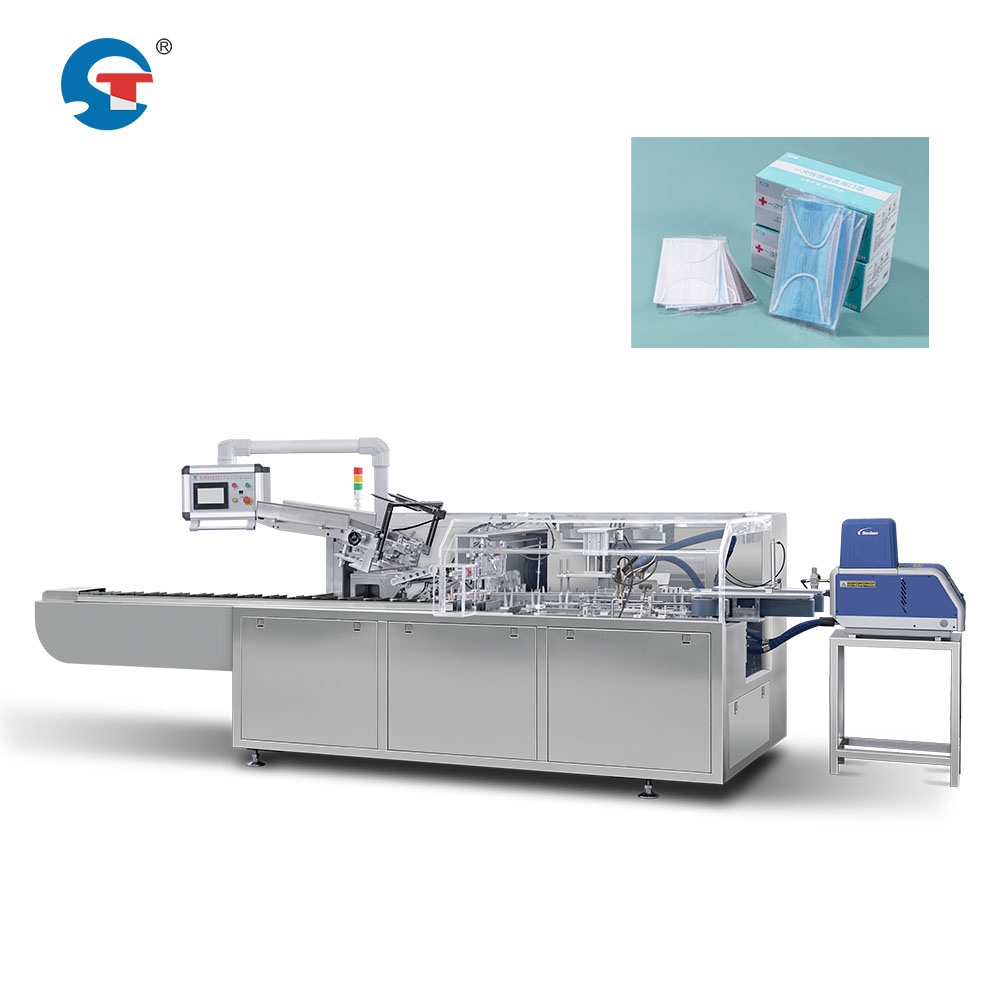
When healthcare manufacturers need to scale production of multi-pack surgical masks, finding the right mask cartoning machine supplier becomes critical to operational success. The ability to customize feeders for specific mask configurations directly impacts throughput, quality control, and packaging consistency. A capable mask cartoning machine supplier understands that off-the-shelf solutions rarely match the exact dimensional and speed requirements of multi-pack operations.
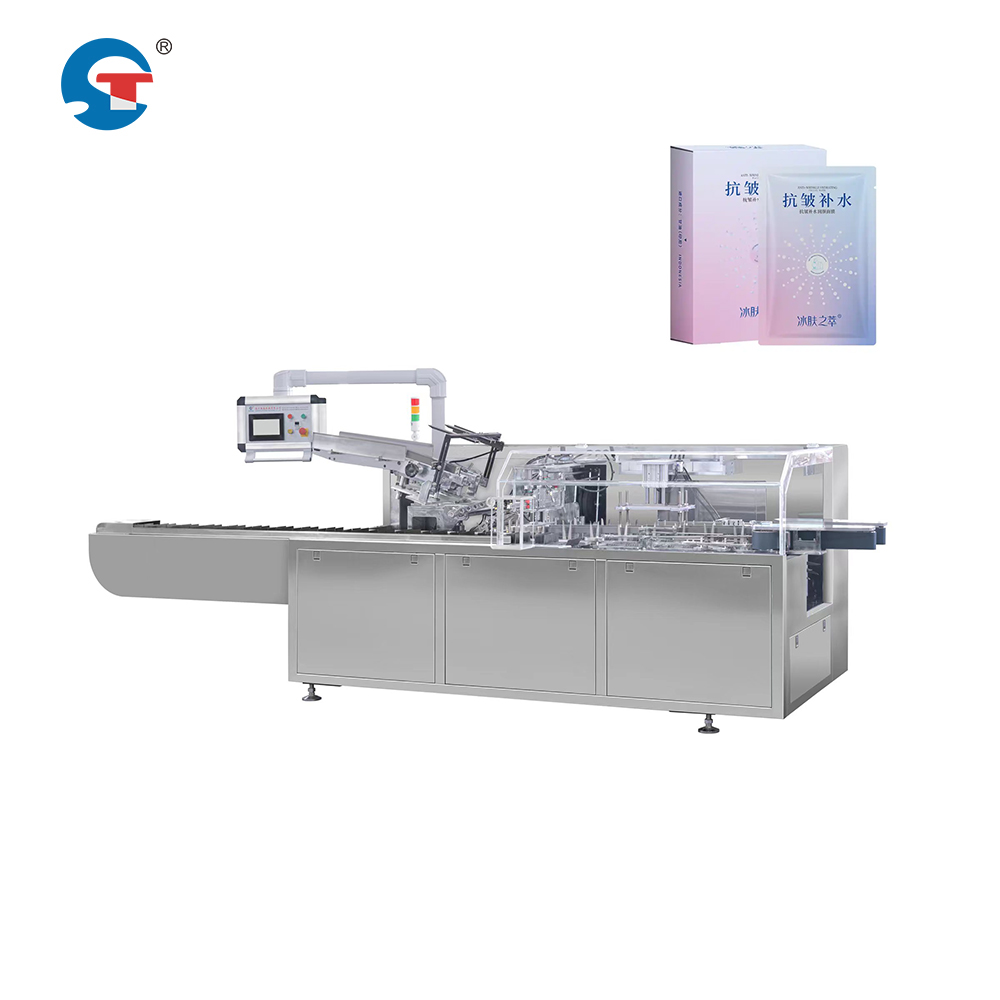
Custom feeder design for multi-pack surgical masks requires deep technical expertise in material handling, spacing logic, and integration with high-speed mask boxing machines. Most healthcare packaging facilities operate under strict regulatory compliance, demanding that any custom feeder maintains product integrity throughout the boxing process. This article explores how professional suppliers engineer adaptable solutions that boost efficiency while preserving the sterile, protective qualities that define surgical mask quality.
Understanding Custom Feeder Requirements for Multi-Pack Operations
The Complexity of Multi-Pack Mask Configurations
Multi-pack surgical mask cartoning demands more sophisticated feeding logic than single-unit packaging. When masks are bundled in groups—commonly 5, 10, or 50-pack units—the feeder must handle increased product width, weight distribution, and separation accuracy. A mask cartoning machine supplier capable of building custom feeders recognizes that standard feeder components cannot reliably handle these larger bundles without risking jams, misalignment, or product damage.
Each multi-pack configuration presents unique challenges. Masks wrapped in bundles occupy more space than individual units, requiring feeders with wider product channels and adjusted sensor positioning. The automatic mask packaging equipment must maintain consistent spacing to prevent overlap or gaps that could compromise cartoning speed. A specialized mask cartoning machine supplier invests in modular feeder architectures that adapt to different bundle sizes without requiring complete machine redesigns.
Material Handling and Product Protection
Surgical masks are delicate products that must remain sterile and undamaged throughout the packaging journey. Custom feeders engineered by experienced suppliers use precision materials and gentle handling mechanisms to avoid crushing, creasing, or contaminating mask packages. High-speed mask boxing machines operate at tremendous velocities, so the feeder must deliver products smoothly without sudden jerks or pressure points that could harm the masks.
Suppliers building custom feeders for multi-pack applications specify materials that resist wear while providing consistent friction control. Stainless steel components ensure food-grade and medical-grade compliance, critical for healthcare manufacturers. The automatic mask packaging equipment incorporates sensors and micro-adjustments that continuously monitor product condition, stopping the line if damage is detected rather than allowing defective products into cartons.
Design and Engineering Capabilities of Top Suppliers
Customization and Modular Architecture
A professional mask cartoning machine supplier approaches custom feeder projects with proven engineering methodologies. Rather than building entirely proprietary solutions for each client, leading suppliers develop modular feeder systems that combine standardized components with customizable sections. This approach reduces lead times while ensuring every installation precisely matches the customer's product specifications and production targets.
Customization typically begins with detailed product analysis. Suppliers measure mask bundle dimensions, weight, elasticity, and packaging materials. They assess the client's production speed goals and cartoning machine price considerations—understanding that budget constraints influence the scope of customization. Advanced suppliers use 3D modeling and simulation to test feeder configurations before manufacturing, reducing installation delays and ensuring seamless integration with existing high-speed mask boxing machines.
Integration with Existing Packaging Lines
Most healthcare manufacturers operate established packaging facilities with existing equipment infrastructure. A capable mask cartoning machine supplier designs custom feeders that integrate smoothly with current systems, whether replacing worn components or expanding production capacity. This requires compatibility with existing conveyors, PLC systems, and quality control checkpoints that manufacturers have already invested in and trained operators to manage.
Integration complexity directly affects mask cartoning machine price quotes, but experienced suppliers manage integration expertly to minimize downtime. They provide detailed specification drawings, electrical schematics, and mechanical interface documentation that allow manufacturer maintenance teams to plan installations systematically. Training and technical support ensure operators understand the new feeder's capabilities and maintenance requirements, reducing startup risk and optimizing long-term machine performance.
Performance Metrics and Reliability Factors
Speed, Accuracy, and Throughput Optimization
When manufacturers evaluate a mask cartoning machine supplier, speed and accuracy benchmarks determine whether the investment delivers expected return on capital. Custom feeders must reliably position multi-pack masks at intervals that match the downstream cartoning machine's operating speed—typically 60 to 120 cartons per minute for high-speed mask boxing machines. Even small positioning errors compound across thousands of cycles, causing misfeeds and production stoppages that disrupt schedules and hurt profitability.
Leading suppliers design custom feeders with precision tolerance specifications that guarantee consistent product spacing within millimeters. Servo-driven components adjust delivery timing automatically, compensating for minor fluctuations in conveyor speed or product diameter. These refinements ensure that automatic mask packaging equipment achieves sustained uptime, with feeder reliability typically exceeding 99 percent during production shifts. Manufacturers appreciate this consistency because it allows them to plan staffing and inventory management with confidence.
Maintenance, Durability, and Total Cost of Ownership
Durability is inseparable from value when calculating mask cartoning machine price and long-term profitability. A supplier that builds custom feeders using superior materials and design practices minimizes unplanned downtime and extends equipment life significantly. Stainless steel components, sealed bearings, and modular construction reduce maintenance frequency and make replacement parts readily available.
Suppliers committed to customer success provide comprehensive documentation, spare parts availability, and technical support that extend feeder lifespan and keep downtime minimal. When maintenance is required, modular design allows technicians to replace worn sections quickly without removing the entire feeder from the line. This approach dramatically lowers total cost of ownership, making custom feeder investments economically justified for healthcare manufacturers running multi-pack surgical mask production at scale.
FAQ
Can a mask cartoning machine supplier build feeders for different multi-pack sizes on the same machine?
Yes, many advanced suppliers design modular feeders that support quick changeovers between different multi-pack configurations. Adjustment mechanisms allow operators to modify product channel width, sensor positions, and delivery timing within minutes—enabling manufacturers to switch from 10-pack to 50-pack formats without major mechanical modifications. This flexibility makes the automatic mask packaging equipment far more valuable across diverse product lines and seasonal demand fluctuations.
How does custom feeder design affect mask cartoning machine price and payback timeline?
Custom feeder engineering typically increases initial capital expenditure compared to standard equipment, but manufacturers recover this investment through improved uptime, reduced scrap rates, and higher throughput. When high-speed mask boxing machines operate reliably with minimal repositioning and maintenance, the mask cartoning machine price difference pays back within 12 to 24 months. Suppliers help customers model these financial benefits during the quote process, demonstrating why customization makes economic sense.
What support should manufacturers expect from a mask cartoning machine supplier after installation?
Professional suppliers provide ongoing technical support including operator training, preventive maintenance scheduling, troubleshooting guidance, and spare parts logistics. Quality suppliers maintain response protocols that prioritize unplanned downtime calls, recognizing that production disruptions directly harm manufacturer revenue. Many suppliers offer remote diagnostics capabilities and site visit support to ensure long-term success with custom feeders and automatic mask packaging equipment.